Local property and preparation guide
What changes the painting scope in Brunswick
Larger or unclear work is reviewed on site, and Kian confirms the final scope and written quote. A Victorian terrace can combine old plaster, timber joinery and generations of coating, while an Edwardian house or weatherboard may include a modern rear extension with different substrates. Pars Painting scopes Brunswick repaints surface by surface, looking at condition, access, preparation and finish before the painting sequence is agreed.
Brunswick’s documented mix of period housing
Merri-bek heritage studies document Victorian cottages and terraces, Federation and Edwardian houses, and later interwar bungalows across Brunswick. They also document how nineteenth-century subdivision and transport along Sydney Road shaped Brunswick’s residential development. This does not mean every Brunswick address is a period property, but it explains why local enquiries often involve more than new plasterboard and new timber.
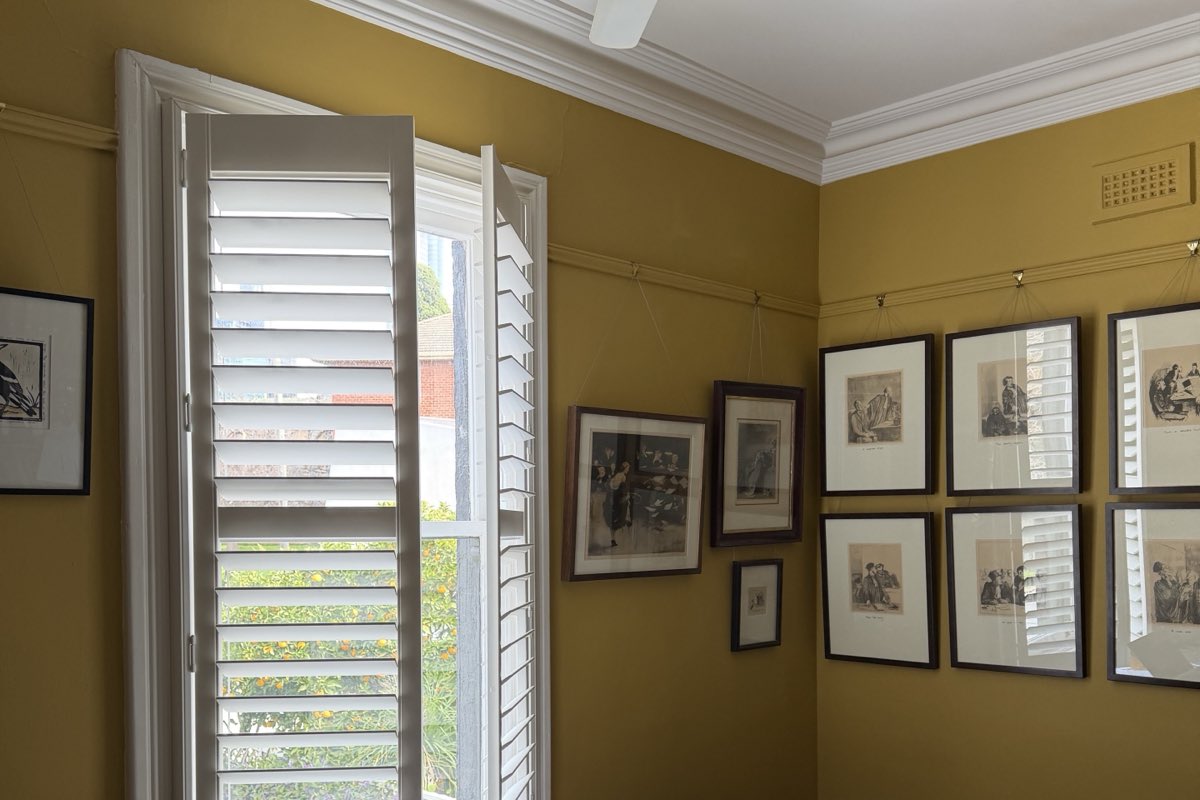
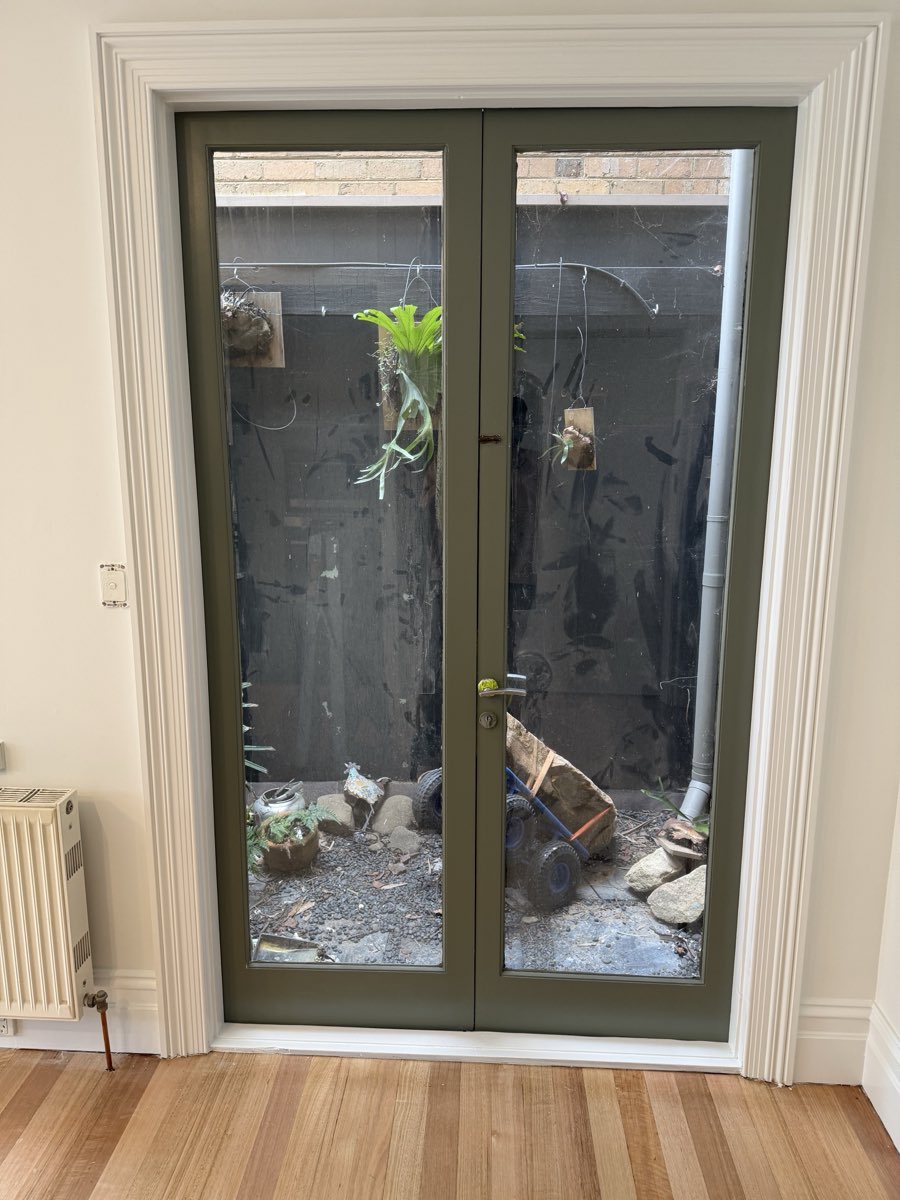
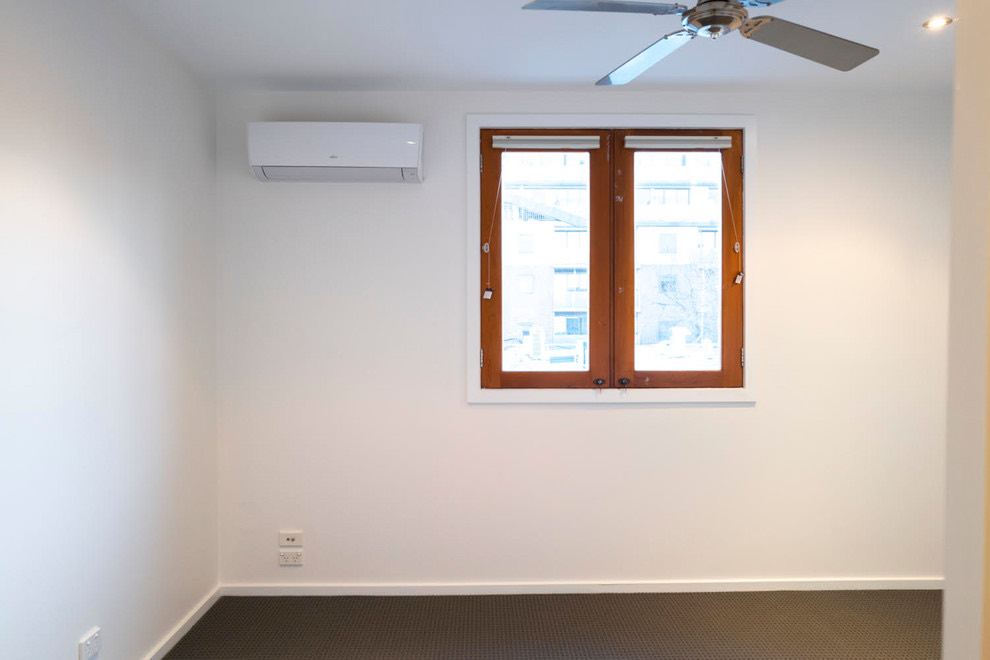
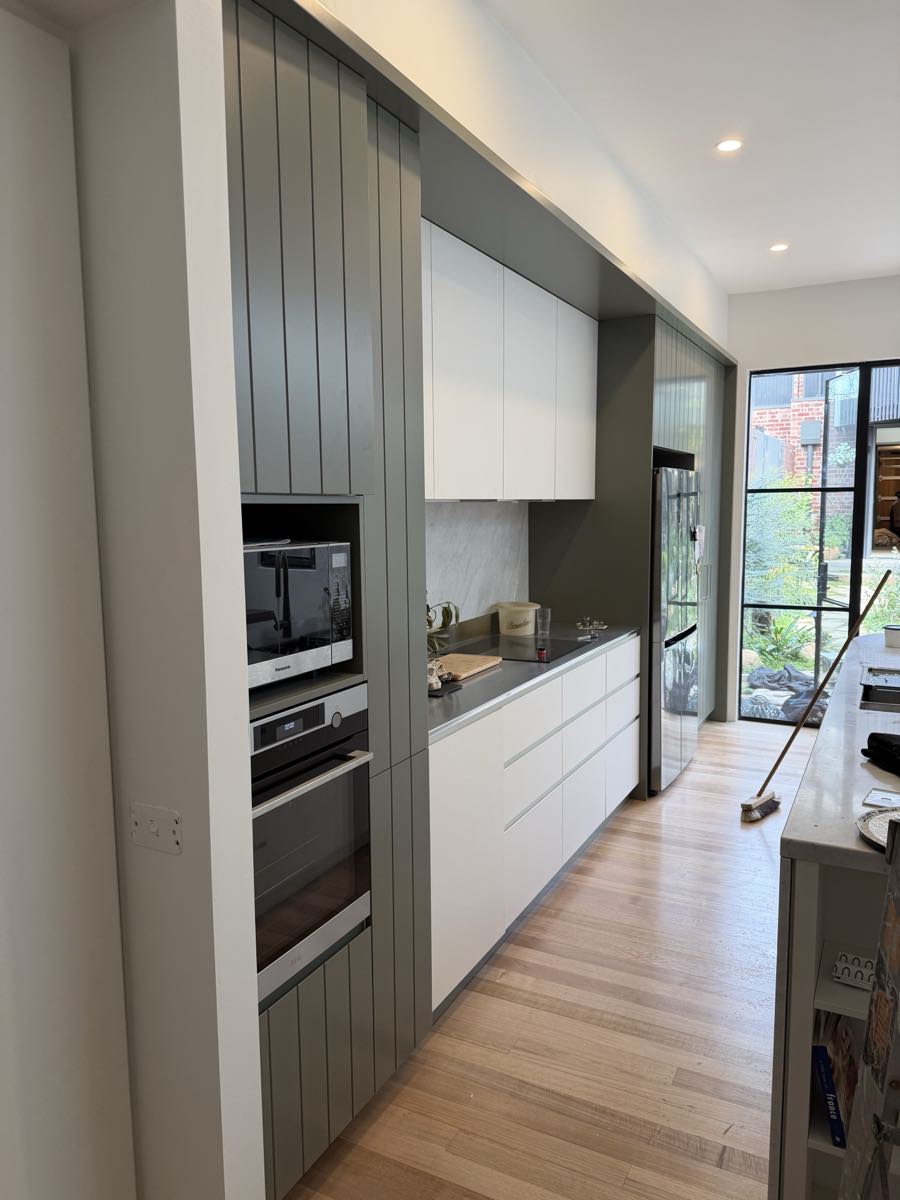
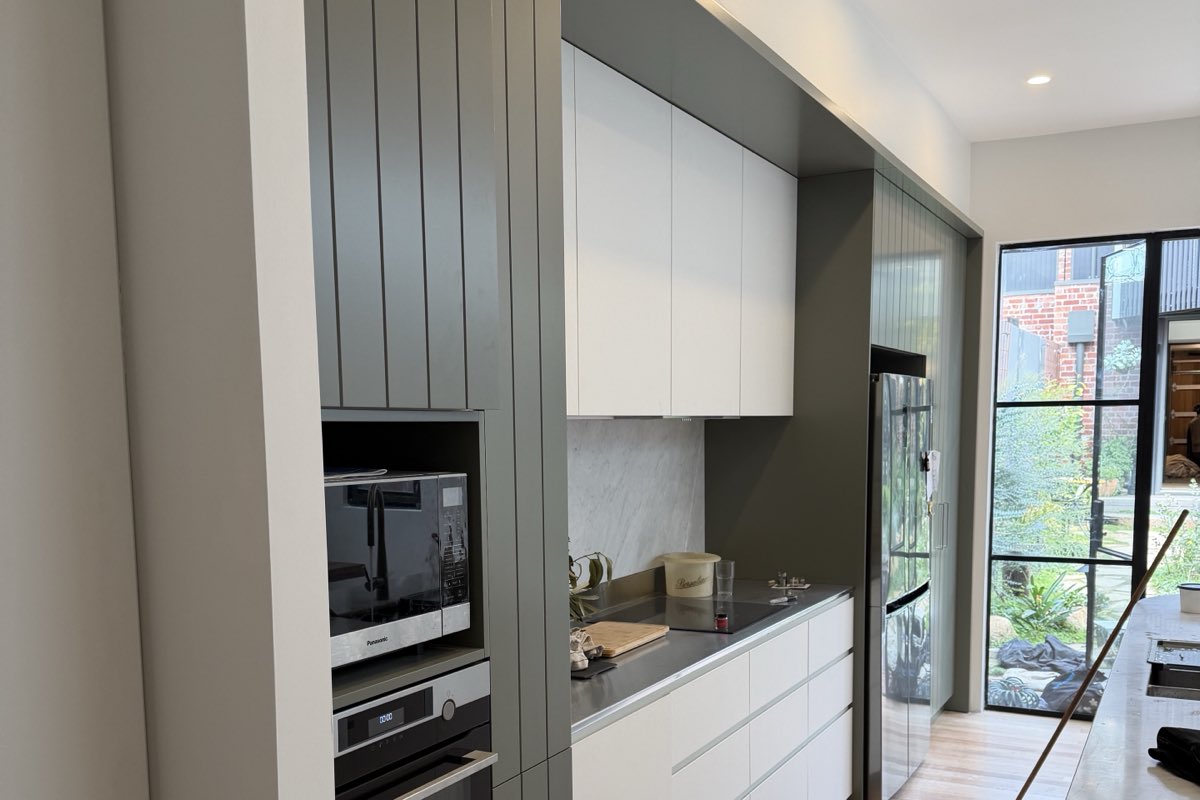
One house may combine face brick, rendered masonry, weatherboards, timber windows, verandah details and a renovated rear section. A useful quote records those actual substrates and the condition of their coatings rather than applying a generic period-home allowance to the whole building. Any local project claim should also be based on verified work at that property; Pars Painting does not present representative imagery as proof of a Brunswick job.
Victorian and Edwardian interiors need a measured scope
Older interiors can include hard plaster, patched cracks, decorative cornices, ceiling roses, timber skirting, architraves, panelled doors and built-up enamel. These details should be inspected individually. Stable minor defects may suit ordinary filling, sanding, priming and repainting; recurring cracks, loose plaster or continuing movement may need investigation outside a painter’s scope.
Renovated homes can place older front rooms beside newer plasterboard additions, so preparation and sheen may change between areas even when one colour connects the spaces. Heavy sanding is not automatically the right response to old coating build-up. If age or condition suggests lead may be present, the method should be selected conservatively and specialist assessment considered before work creates contaminated dust.
Weatherboards, façades and compact access
A fresh topcoat cannot stabilise loose paint, exposed timber or moisture-related failure on weatherboards. Preparation may include suitable washing, scraping failed coating, feather-sanding sound edges, minor filling and spot priming bare areas. Rotten boards, failed joints and active water entry need to be distinguished from normal surface preparation and repaired by the appropriate trade.
Attached terraces and compact allotments can affect ladder placement, neighbour access and the order of elevations. Masonry, verandah details, timber windows and doors should be separated in the quote because they do not share one identical coating system. If a rear deck is included, its board condition and existing oil, stain or film coating should be assessed separately rather than bundled into the wall repaint.
Mould staining is a moisture question first
Mould can appear around bathroom ceilings, external-wall corners, cupboards, laundries or areas affected by leaks and poor ventilation. Paint is not a remedy for an active moisture source. The first question is whether the cause relates to condensation, plumbing, roofing, gutters, water entry or another defect rather than which finish coat will hide the mark.
After the cause is addressed and the substrate is clean, dry and stable, failed coating can be prepared and the area repainted. Large, recurring, hidden or health-sensitive mould conditions may need an occupational hygienist, remediation specialist or relevant building trade before a painter is the appropriate next step. Pars Painting does not diagnose concealed moisture or present normal repainting as specialist remediation.
Heritage controls and a transparent quote
A period-looking house is not automatically heritage-listed, and listed properties do not all have identical paint controls. Merri-bek advises owners to check the overlay and property-specific requirements before external changes. That can be especially relevant when painting a previously unpainted surface or changing a significant external finish. The owner should confirm approvals before work begins.
The quote should identify the address, affected elevations, existing materials, visible failure, access and any owner-provided approval. It should separate painting preparation from building repair, hazardous-coating work and heritage conservation. That produces a practical scope without implying ordinary repainting can resolve structural damp, decayed timber or statutory requirements.
Painting questions in Brunswick
How do I start a small job, like one room or a door, in Brunswick?
Tell Kian the room or door, the surfaces involved, your suburb and preferred timing. For a suitable small job, useful photos sent on WhatsApp can support an initial estimate; larger or unclear work may still need a visit before Kian confirms the scope and written quote.
Can Victorian and Edwardian homes in Brunswick be repainted?
Suitable walls, ceilings, decorative plaster, doors, trims, weatherboards and other painted surfaces can be quoted. Period details are inspected separately so delicate profiles are not treated like broad new plasterboard. Significant plaster failure, timber decay, suspected hazardous coatings or conservation work may require additional advice before normal painting proceeds.
Can mould on a Brunswick ceiling simply be painted over?
Not if moisture remains active. The leak, condensation, ventilation problem or other cause should be addressed first. The surface then needs to be clean, suitably dry and stable. Repainting can restore a consistent finish after those conditions are met, but it is not a substitute for plumbing, roofing, waterproofing or specialist mould work.
Does an exterior repaint require a planning permit?
It depends on the address and proposed work. Heritage overlays can trigger controls for external changes, and individual controls may address painting. Owners should check the current property information and confirm requirements with Council, particularly before painting unpainted masonry or substantially changing a controlled exterior colour scheme.
Pars Painting can quote preparation and painting of suitable surfaces. Active leaks, structural damp, substantial mould, rotten timber, hazardous-material removal and heritage approvals may require another qualified party first. For general Victorian guidance, see Better Health Victoria on mould and moisture, WorkSafe Victoria on lead-based paint removal and Asbestos Victoria on identifying suspect materials.
Local housing and planning context source: Merri-bek City Council — Heritage Gap Study, Brunswick residential citations. The sources inform the suburb context; they do not imply that every property has the same age, construction, condition or planning controls.