
Weatherboard painting
Weatherboard house painting in Melbourne
Weatherboard repainting is preparation-heavy.
Fitzroy painters since May 2014 · Public Liability Insured.
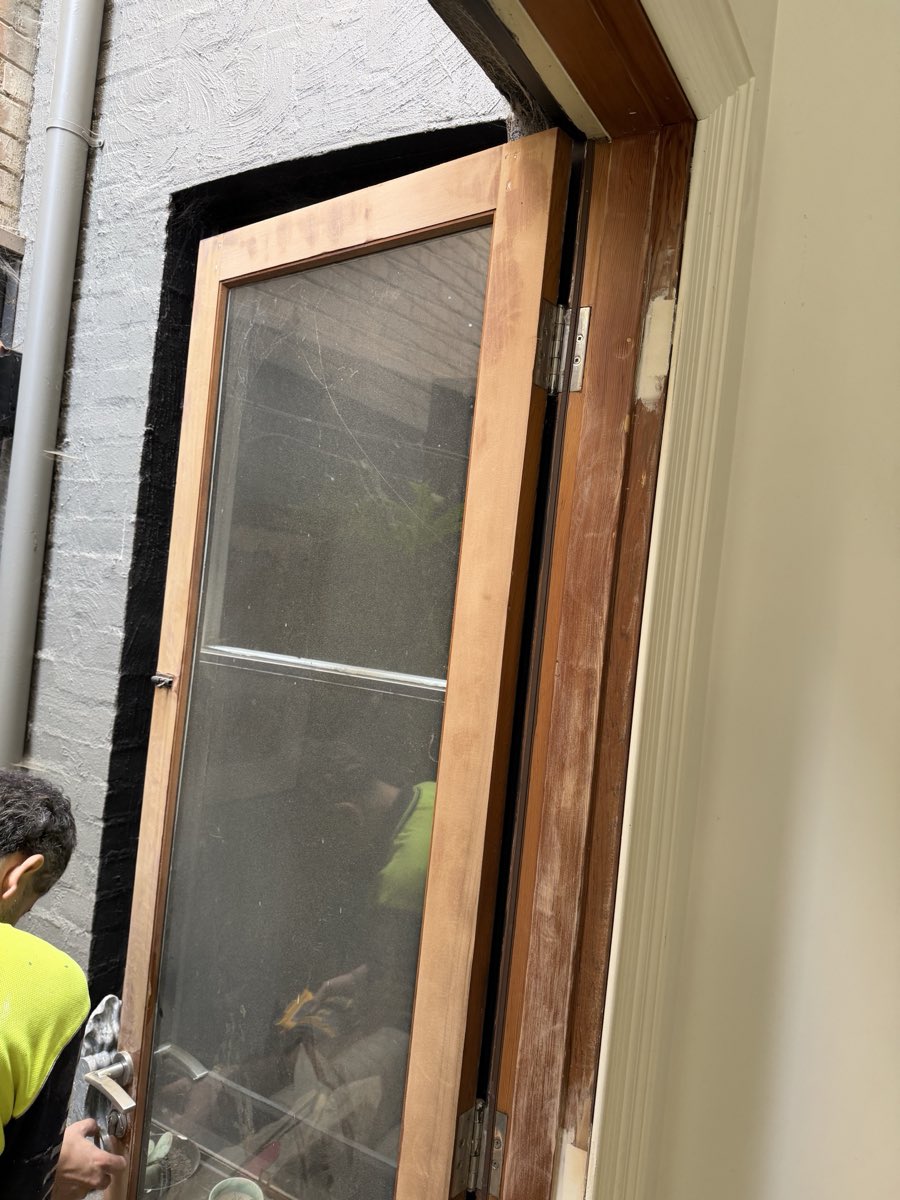
What the work can include
Timber movement, moisture, failed old coatings and exposed board edges can all cause a new finish to fail if the substrate is not properly assessed first.
Weatherboard preparation
A practical scope can include washing, scraping loose paint, sanding sound edges, filling minor defects, spot priming bare timber and coating the prepared boards. The exact preparation depends on condition. Our weatherboard repainting guide explains these preparation stages.
Peeling, bubbling and failed coatings
Peeling or bubbling paint can indicate coating failure, moisture movement or poor adhesion underneath. Painting over unstable material only hides the issue temporarily, so failed areas should be identified before coating.
Mould and mildew on weatherboards
Exterior mould or mildew staining should be cleaned and the moisture conditions considered before repainting. If there is an active leak, timber decay or another building defect, that issue may need a suitable trade before painting proceeds.
Timber rot and damaged boards
Minor surface defects may be included in painting preparation, but rotten or structurally damaged boards can require repair or replacement before coating. We keep that distinction clear in the scope.
Melbourne weather exposure
North-facing sun, wet winters, shaded elevations and changing moisture levels affect weatherboard coatings differently. Repainting should be planned around substrate condition and suitable drying conditions.
How quoting works
A written quote, confirmed by Kian
Get in touch
Call, send a WhatsApp message, or leave your name, phone number, suburb and what needs painting in the short form. A further description of the job is optional. For a small job, useful photos, your suburb and preferred timing sent on WhatsApp can get you an initial estimate from Kian.
Kian reviews the job
He reviews the surfaces, their condition and the access — from your photos, suburb and timing for a suitable small job, or with an on-site visit for anything larger or unclear — then talks through what you want painted or repaired.
You get a written quote
The quote sets out the agreed surfaces, preparation and price, confirmed once Kian has reviewed the scope, condition and access — a visit may still be needed. Photos alone do not fix a final quote.