Local property and preparation guide
What changes the painting scope in Glenroy
Glenroy’s housing story is largely post-war, with extensive residential development during the 1950s. Established detached homes now sit beside renovations, units and continuing infill. Painting needs therefore range from ageing timber trim and mixed-material exteriors to rental interiors and newer townhouse surfaces. Pars Painting Melbourne defines the work from the property’s present condition.
The 1950s growth that still shapes local paintwork
Merri-bek City Council records that much of Glenroy’s residential development occurred during the 1950s, including Housing Commission and private housing, alongside growth near Pascoe Vale Road and Wheatsheaf Road. That supports a local focus on established post-war dwellings rather than applying Victorian-house language across the suburb. It also explains why similar-looking streets can contain different construction systems and decades of later alteration.
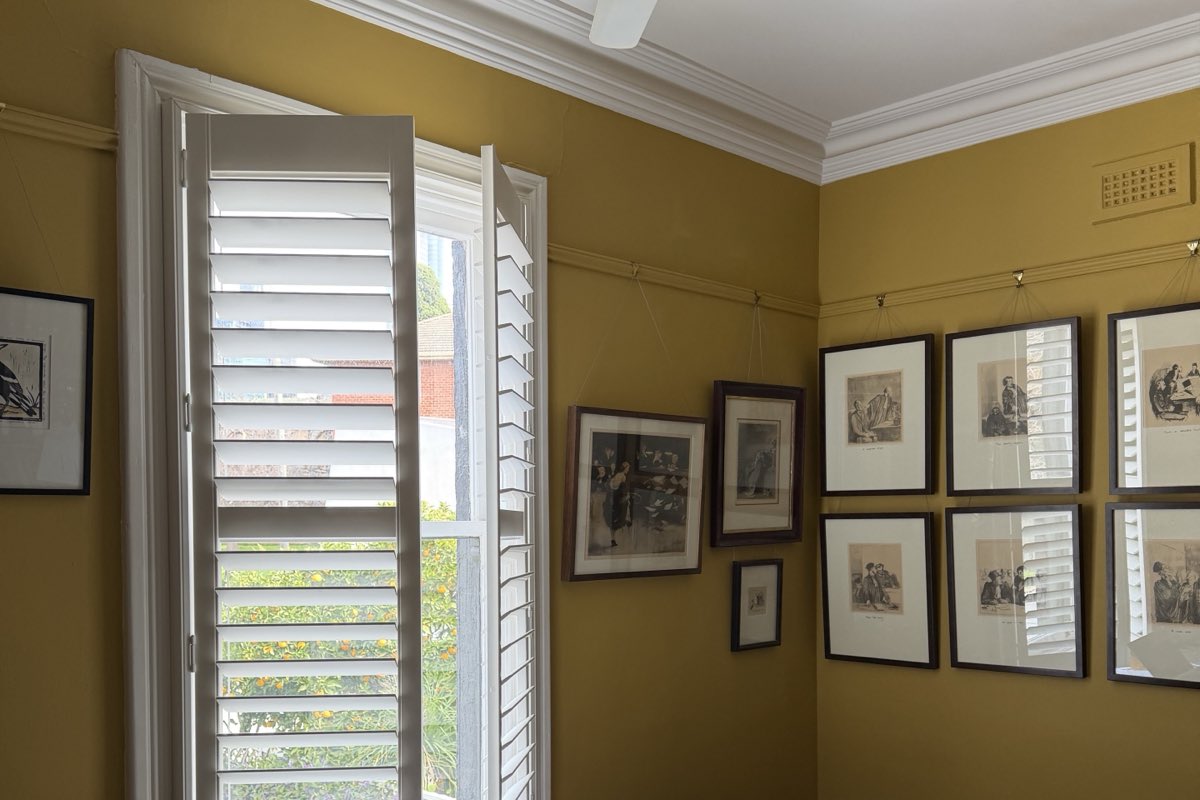
An inspection may encounter face brick with painted eaves, timber windows, masonry or sheet-clad additions and renovated interiors. Construction date cannot be inferred reliably from a façade, and old sheet products should not be disturbed casually. The scope should identify substrates and coating condition, then separate normal preparation from damaged fabric. Newer units and townhouses bring different surfaces, access limitations and maintenance responsibilities.
Ageing exterior coatings need condition-led preparation
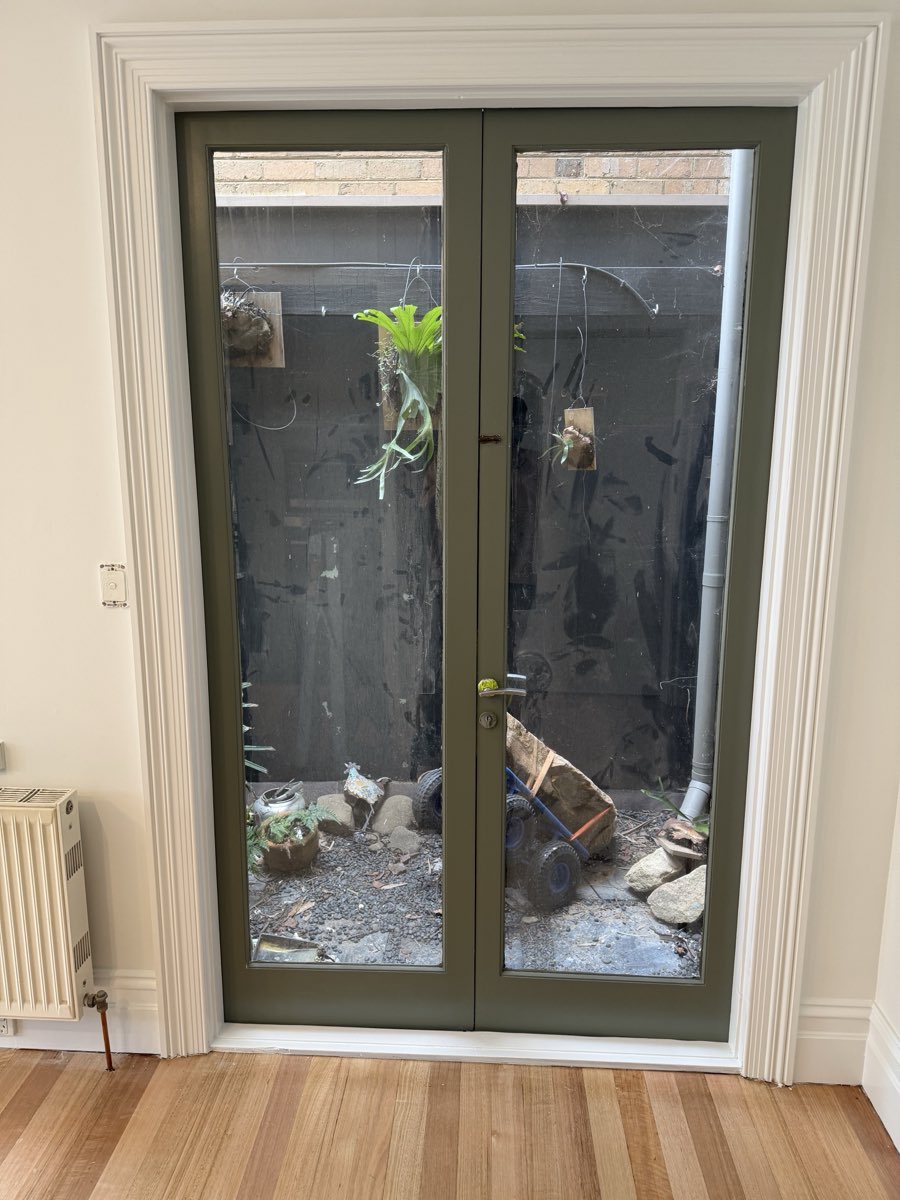
Painted elements can include fascia, eaves, windows, doors, weatherboards, garage surfaces and previously coated masonry. They do not age at the same rate. Sun-exposed trim can lose gloss or crack, shaded surfaces may dry slowly, and bare timber can appear where old coating has released. Cleaning and a new topcoat alone will not stabilise loose material underneath.
Preparation follows the failure: washing where suitable, scraping unstable coating, feathering sound edges, spot-priming exposed substrate and filling minor paintable defects. Rotten timber, failed gutters and active water entry require repair rather than concealment. Previously unpainted brick should not be included automatically. Recurring render cracks or salts may need assessment. An elevation-by-elevation scope makes those distinctions visible.
Units and infill properties create different access questions
Painting a townhouse or unit differs from painting a freestanding post-war house even when the floor area is similar. Narrow side setbacks, shared driveways, upper-storey walls and limited storage affect access, protection and sequencing. Common property or exterior colour changes may also require owners corporation approval.
Inside, stairwells, open-plan walls and closely spaced doors can make patching and sheen differences noticeable. The scope should state whether ceilings, wardrobes, garages and internal doors are included. Occupied properties need a sequence around belongings and usable rooms. Where shared access is affected, the responsible owner or manager should organise permission and notifications; Pars Painting can plan around confirmed arrangements but cannot determine title boundaries.
Repainting after condensation, leaks or mould staining
A ceiling stain may relate to an old repaired leak, active roof entry, plumbing, condensation or another defect. The painter can record what is visible, but the source should not be guessed from colour or location. If moisture is active, further coating risks blistering, staining or renewed biological growth.
After the cause is addressed, the surface needs adequate drying and a condition check. Loose paint may require removal and compatible stain-control priming may be needed. Extensive, hidden or recurring mould requires assessment beyond ordinary painting. The quote should separate painting from leak repair, waterproofing and remediation, especially in rental work where a cosmetic cover can obscure a defect that still needs action.
Rental turnover and pre-sale priorities
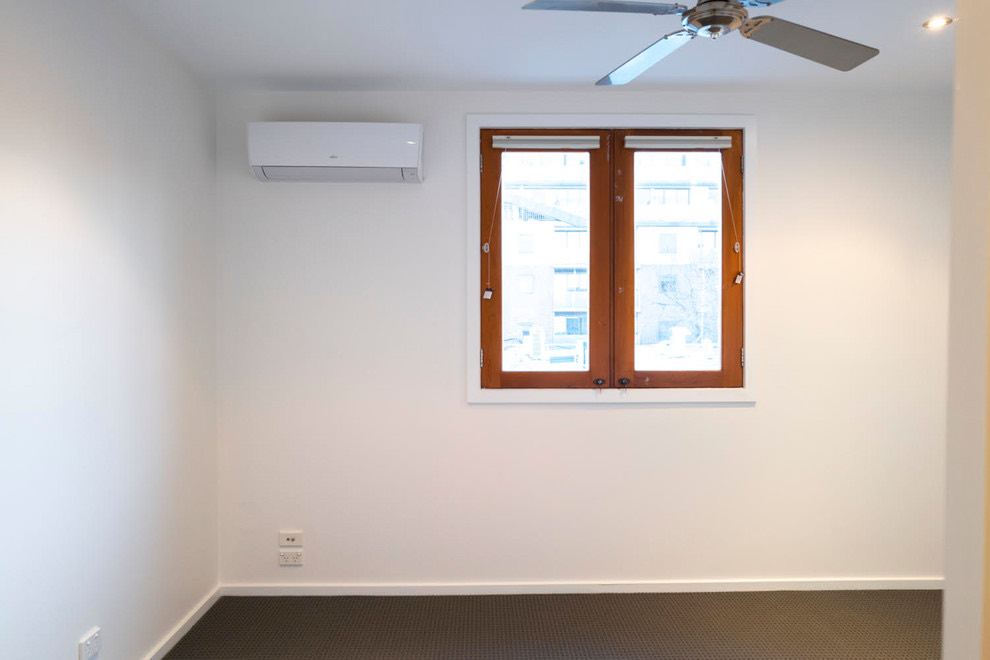
Entry areas, hallways, living rooms and doors often receive the most wear, while bedrooms, ceilings and utility spaces may be in different condition. Repairs, marker stains, adhesive residue and old colour mismatches should be viewed before deciding whether isolated work will blend or full-wall coating is more appropriate.
Timing should be coordinated with repair trades, flooring and final cleaning. Painting before unresolved leak work or dusty building work creates avoidable rework. Photos help with triage, but inspection may still be needed to confirm adhesion, access and substrate stability. A clear quote lists rooms and surfaces, preparation assumptions, protection, exclusions and who provides access.
Painting questions in Glenroy
Do post-war Glenroy homes always have the same paintable surfaces?
No. They differ in original construction, extensions, replacement windows, eaves, cladding and interior renovation. Face brick may need little painting while timber trim or a rendered addition requires maintenance. Older sheet materials also need cautious identification before abrasive preparation. A site-specific surface list is safer than assuming every 1950s house needs the same process.
Can mould-resistant paint prevent staining from returning?
No coating can guarantee that mould will not return while condensation, a leak or another moisture source remains. The cause should be addressed and the surface cleaned, dried and stabilised before repainting. Extensive or recurring mould may need specialist assessment. Painting restores a finish; it does not replace ventilation, leak repair, waterproofing or remediation.
What should a property manager include in a Glenroy enquiry?
Include the address, property type, vacancy and handover dates, rooms or exterior areas, photos and known damage or leak history. Identify whether work is within one lot or affects common property and which repairs or cleaning will happen first. Inspection may still be required to confirm preparation, access and whether local touch-ups can blend.
Painting does not correct active damp, leaking roofs or plumbing, structural cracks, rotten components or hazardous materials. Those conditions require appropriate assessment and repair before affected surfaces are accepted as ready to coat. For general Victorian guidance, see Better Health Victoria on mould and moisture, WorkSafe Victoria on lead-based paint removal and Asbestos Victoria on identifying suspect materials.
Local housing and planning context source: Merri-bek City Council — Open Space Strategy technical report, Glenroy profile. The sources inform the suburb context; they do not imply that every property has the same age, construction, condition or planning controls.