
How a Fitzroy job is scoped
What actually changes the quote in Fitzroy
Almost every other page on this site describes a property that stands on its own block. Fitzroy largely does not. A terrace shares its side walls with the houses either side, its front elevation begins at the footpath rather than behind a garden, and a converted warehouse can put three different substrates inside one room. None of that changes what paint does. It changes where the priced surface starts and stops, how the work is reached, and how much of the job has to be agreed with somebody other than the person paying for it.
This page covers Victorian and Edwardian terraces, converted warehouses and apartments, and small shopfronts across Fitzroy. The scope decisions below follow from that mix rather than from any assumption about a particular street or property, and they describe how Pars quotes and sequences the work rather than making a claim about the suburb itself.
Agreeing where the painted surface actually ends
On an attached house the boundary of the work is a decision, not a fact you can read off the building. A parapet, a party wall return, the reveal of a shared porch and the face of a dividing fence can each belong to one owner, the other, or both. We quote what you tell us you control, list it surface by surface, and mark anything adjoining as excluded rather than quietly including it because the roller would pass over it anyway. If ownership of a particular return or parapet is unclear, that is a question for your title documents or your neighbour before the scope is fixed, not something we can decide on site.
Reaching a front elevation that starts at the footpath
A terrace front with no setback has to be worked from the public footpath, and that is a different plan from a ladder on your own lawn. Where equipment, protection or a hoarding would sit on the footpath or the road, any permit or occupation approval is the property owner’s to obtain from the council; we can describe what the work needs, but we cannot arrange it on your behalf and we do not price as though it is already granted. Where access is the constraint, it is usually cheaper to settle it before quoting than to discover it on the first morning.
Several substrates behind one room
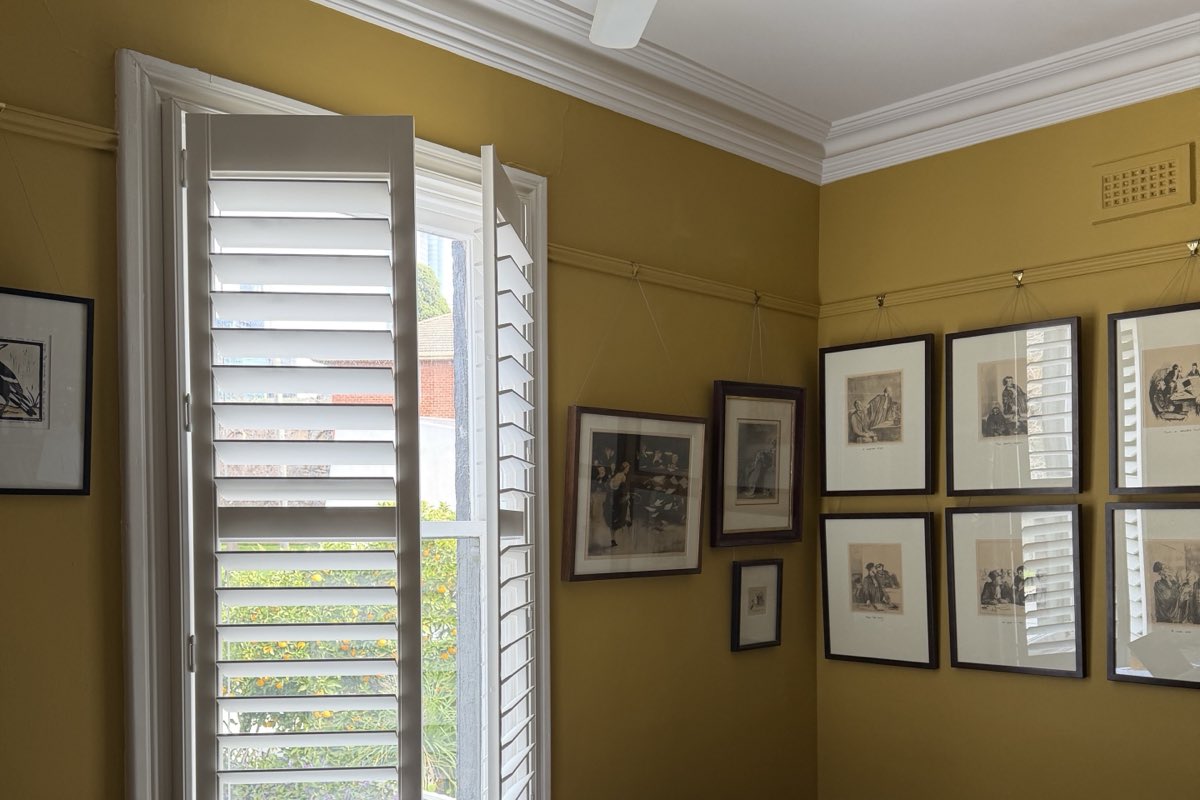
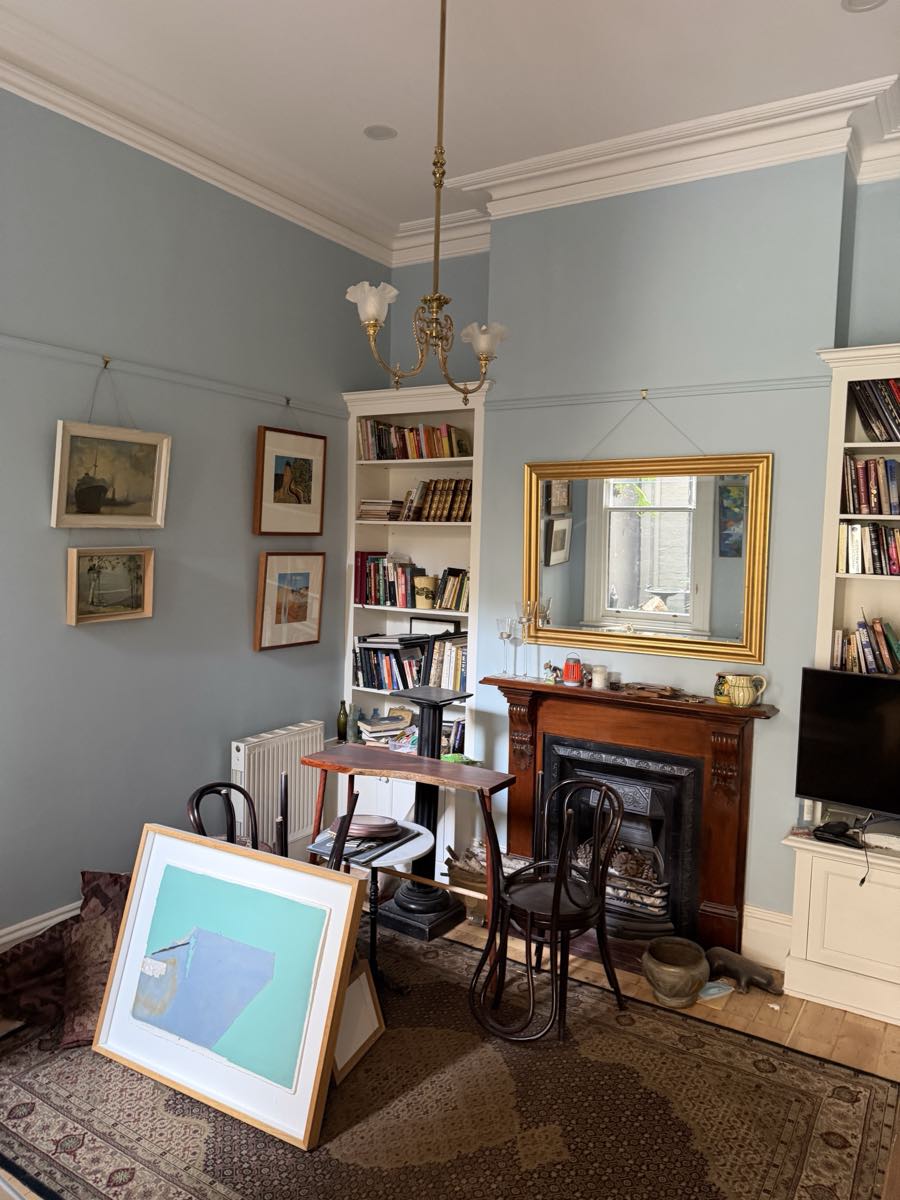
Warehouse conversions and renovated terraces routinely put solid plaster, plasterboard, exposed brick, render and painted steel within a few metres of each other, often with an older coating on one and a recent one on the next. Each takes its own preparation and, in some cases, its own primer, so they are separated in the quote instead of averaged into a single wall rate. Where an original lime-plaster or masonry surface is involved we say what we can assess visually and what would need to be tested or opened up, rather than assuming the last coat tells us what is underneath it.
What to include in a Fitzroy enquiry
- Whether the property is a freestanding house, an attached terrace, an apartment or a converted commercial building.
- Which elevations and returns you own or control, and any you are unsure about.
- Whether there is off-street access, or whether the front has to be worked from the footpath.
- For an apartment or a building with shared surfaces, who approves work outside your own walls.
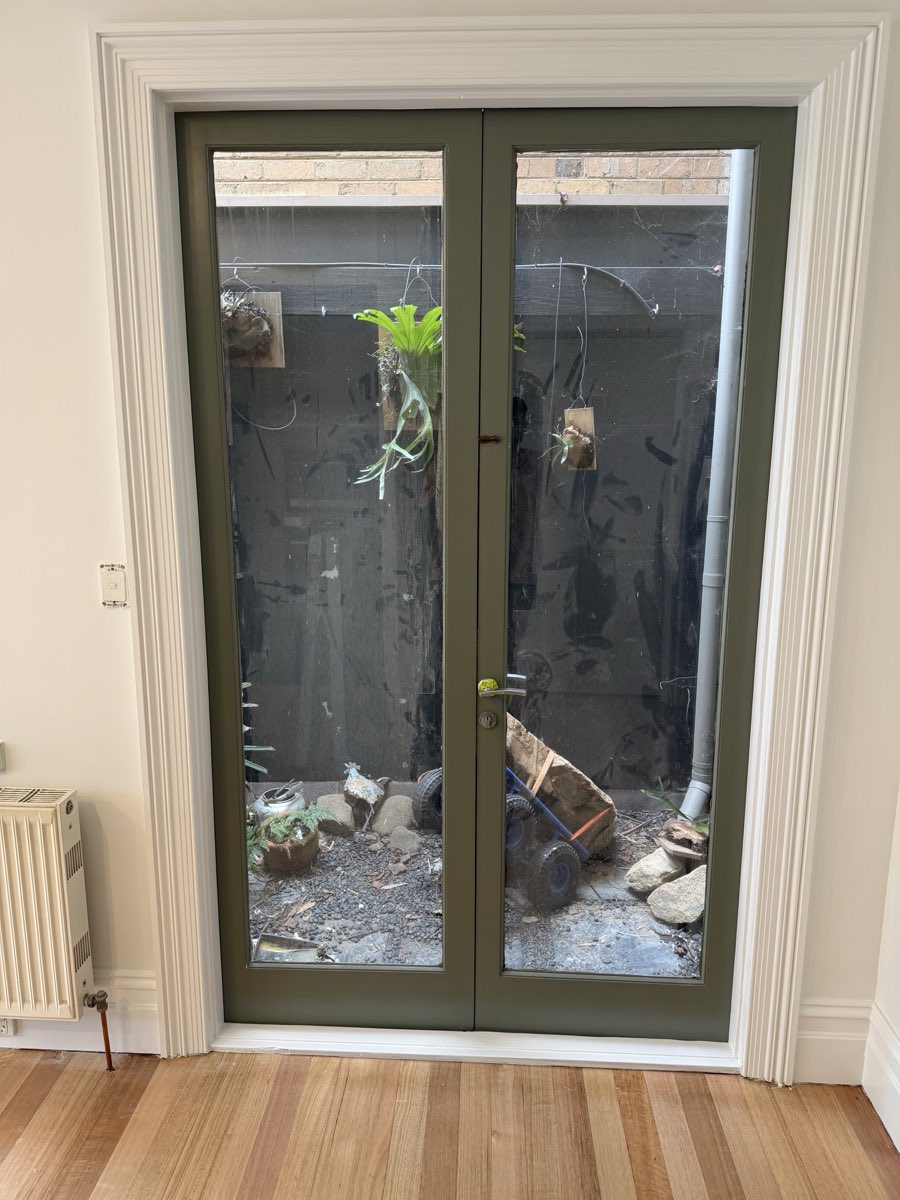
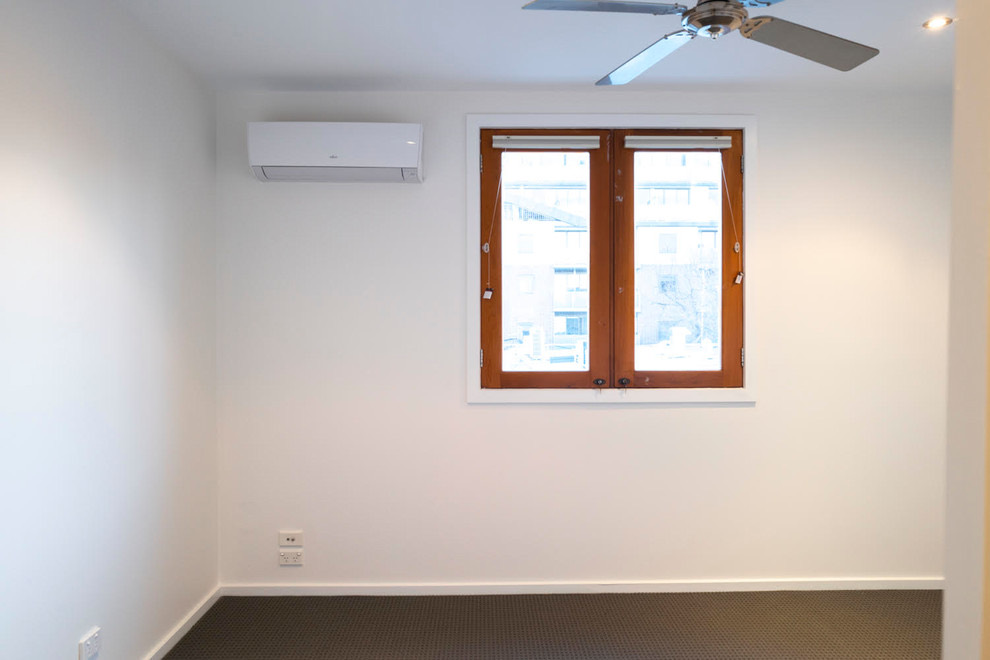
- Photographs of the substrates inside each room, especially where brick, render, solid plaster and plasterboard meet.
Questions that come up on attached housing, shared boundaries and street-side access
Can the shared wall between two terraces be painted without the neighbour?
Only the part of it you control, and establishing which part that is comes before the quote rather than after it. We will paint what you instruct and list the rest as excluded. Where the two owners want the whole return done together it is normally written as two quotes, one to each owner, so each can approve their own side and neither is billed for the other.
Does a footpath make the exterior more expensive to paint?
Not by itself. What can change the figure is the access method the footpath forces, how much of the work can be done in one visit, and whether a council occupation approval is needed. Those are identified during the assessment so they appear in the quote as their own item rather than surfacing later as a variation.