How a Strathmore job is scoped
What actually changes the quote in Strathmore
On a property that has been looked after, the coating is usually sound and the job is not a rescue. That changes what the work is for. Almost all of the visible difference comes from preparation detail and from protecting what is already good — the joinery, the floors, the fittings and the finished surfaces that are staying. A repaint on this kind of house is judged on edges, on consistency and on what it did not damage, far more than on the number of coats.
This page covers family homes and well-maintained residential properties across Strathmore. The scope decisions below follow from that mix rather than from any assumption about a particular street or property, and they describe how Pars quotes and sequences the work rather than making a claim about the suburb itself.
Preparing the details rather than the broad surfaces
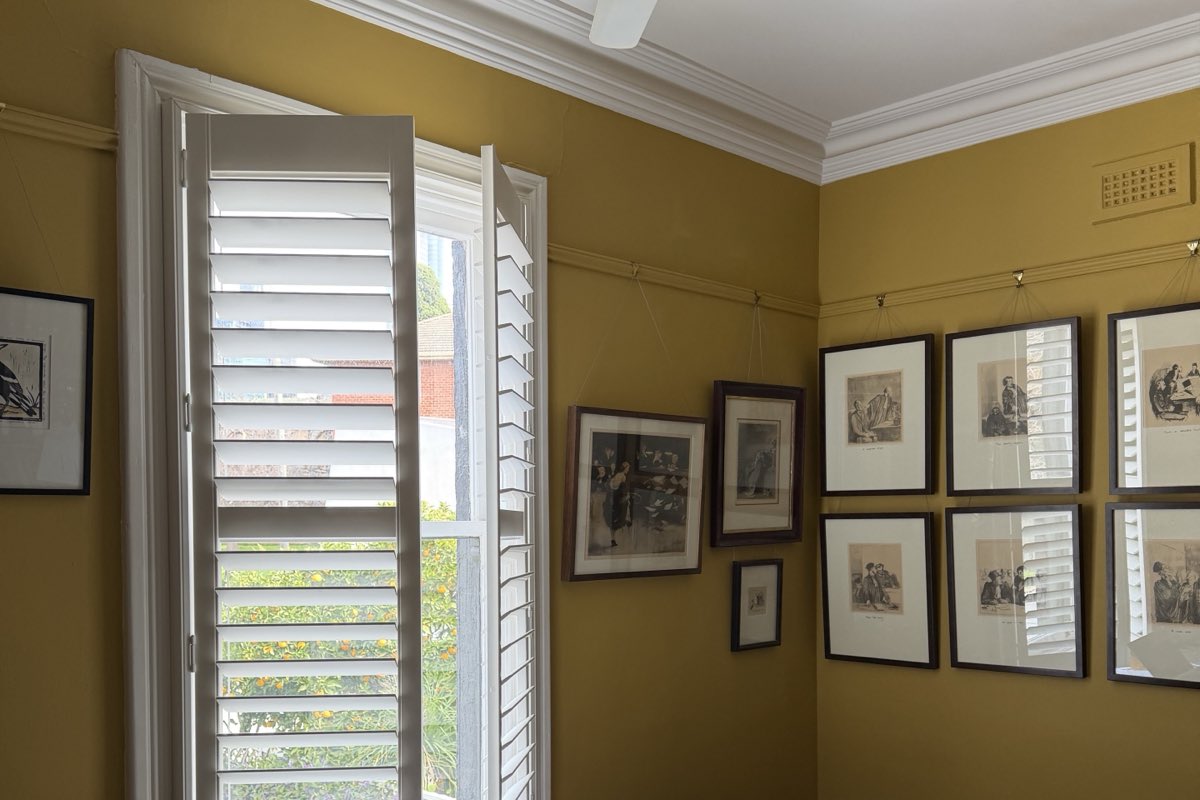
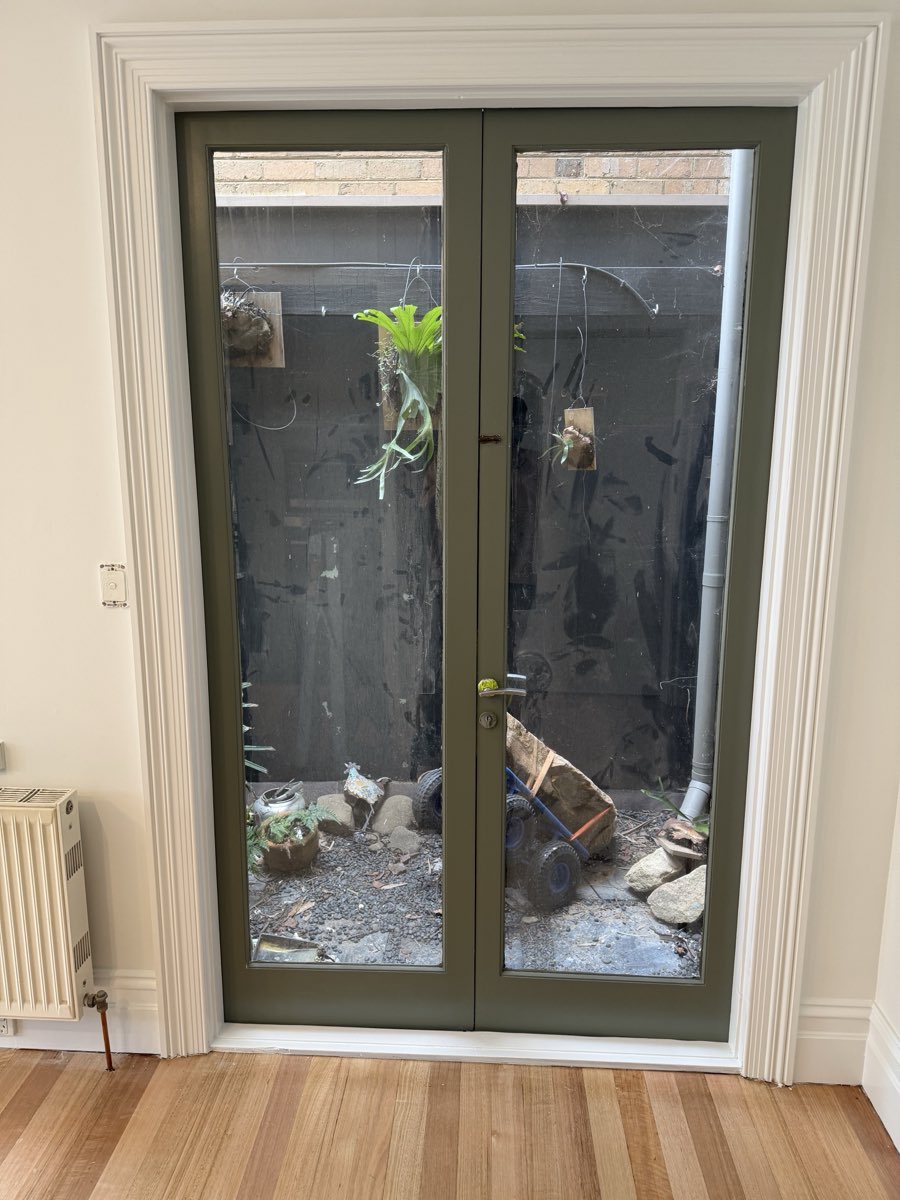
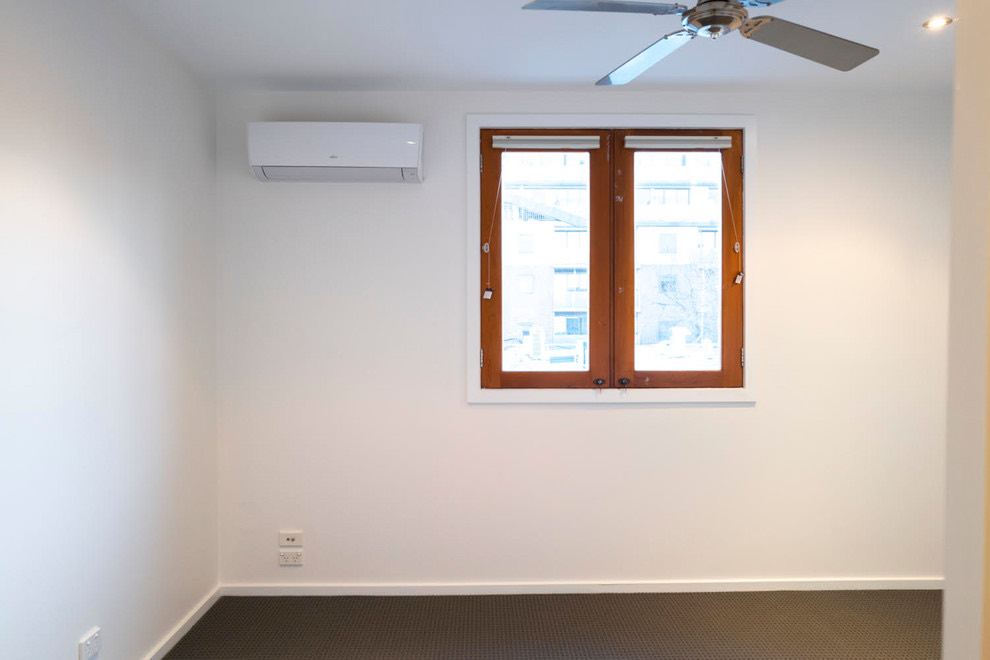
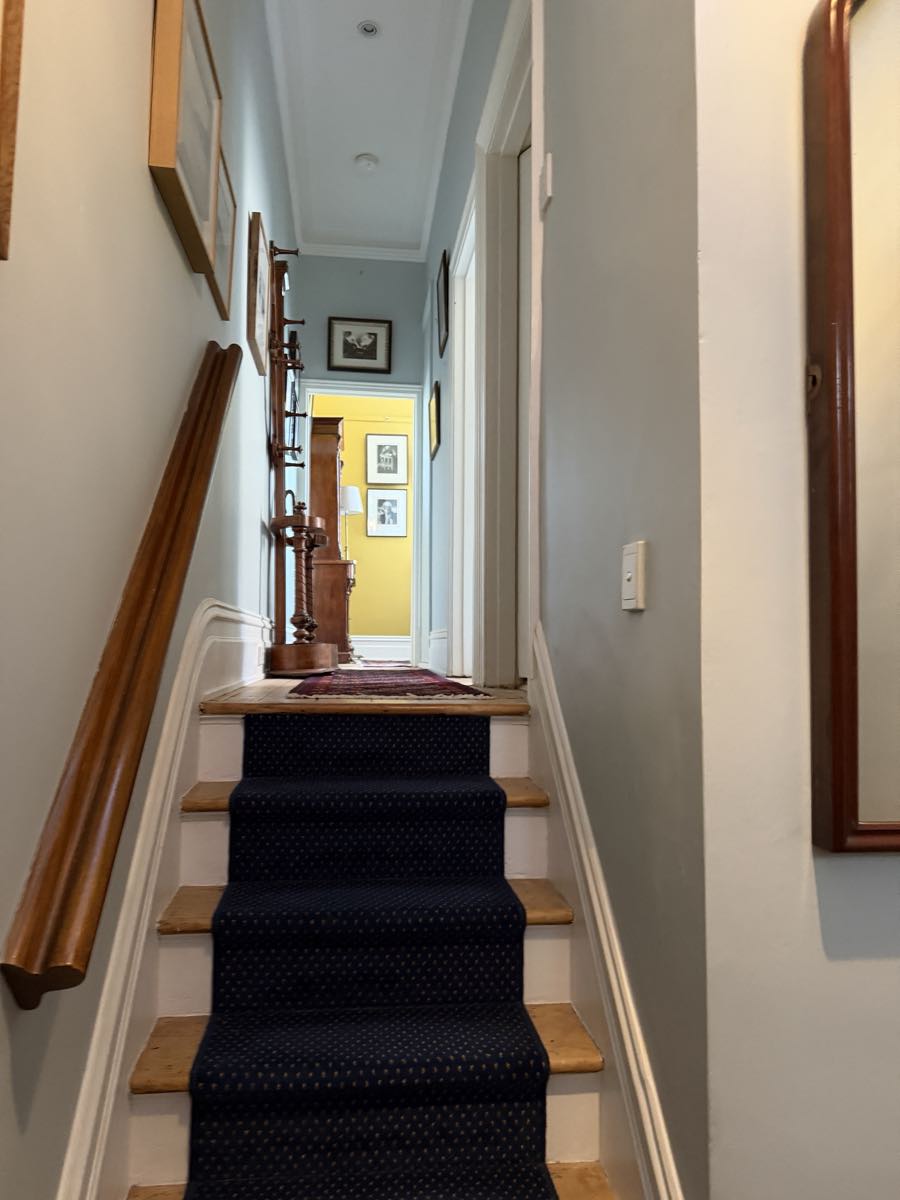
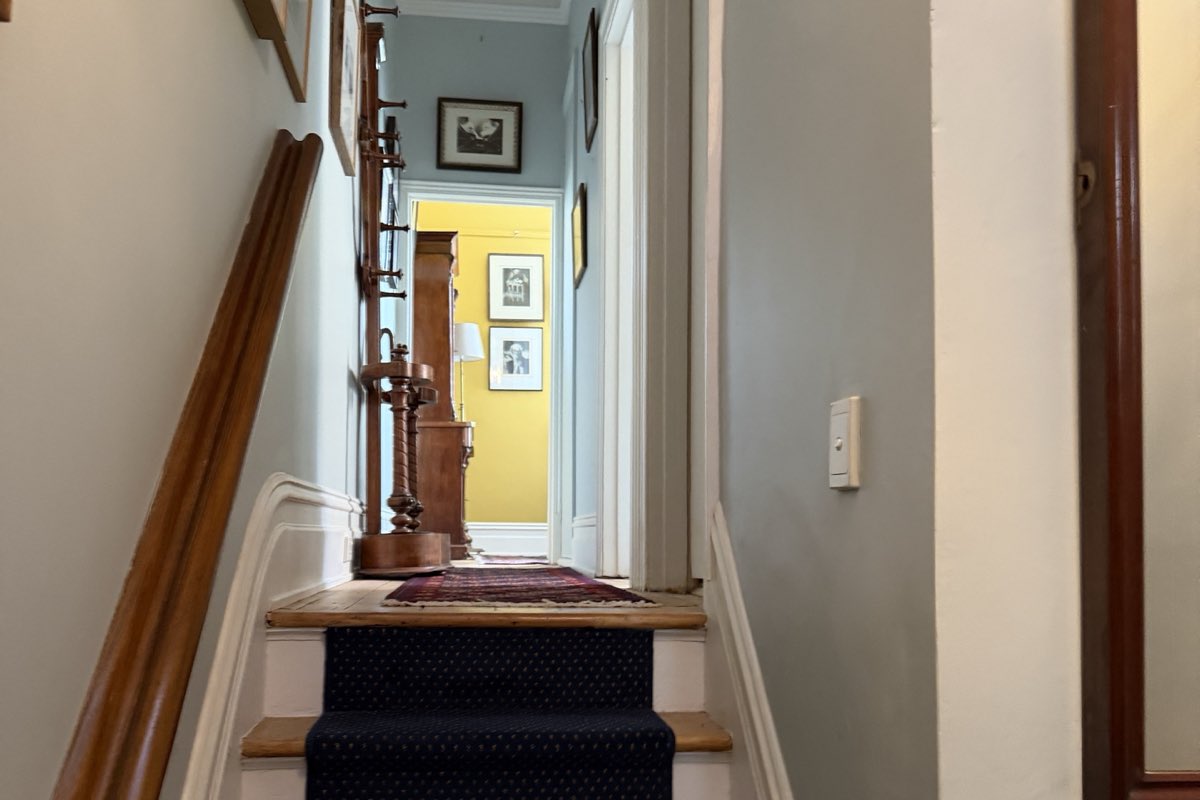
Walls and ceilings on a maintained home often need little more than cleaning, spot filling and a sound recoat. The time goes into the parts that show: door faces and edges, architraves, skirting, window joinery, and the lines where two colours or two sheens meet. Those need proper filling, sanding back to a flat surface, and cutting in that holds a straight line. A quote that prices trims as though they were wall area is usually underestimating the work that will actually decide how the result looks.
Protecting a finished house while working in it
In a home where the floors, fittings and furnishings are in good condition, protection is part of the scope rather than an overhead. Floor covering that stays put, masking that comes off cleanly, furniture moved and covered rather than shuffled, and fittings removed where that is safer than painting around them. It is slower, and it is quoted as work, because the alternative — repairing something that did not need repairing — costs considerably more than the covering would have.
Deciding sheen before deciding colour
Sheen level does more to the look of a finished room than most colour choices, and it also decides how the surface behaves. A higher sheen is easier to clean and shows every imperfection under it; a flatter finish hides substrate variation and marks more easily. Walls, ceilings, doors and trims are usually different sheens for exactly those reasons, so the sheen for each is agreed and recorded before the colours are settled rather than left to be assumed on site.
What to include in a Strathmore enquiry
- Which surfaces are included — walls, ceilings, doors, trims, joinery — and which are not.
- The existing colours and sheens if any of the work needs to match them.
- Whether the home will be occupied and whether furniture can be moved out of rooms.
- Any floors, fittings or finishes you particularly want protected or left untouched.
- Photographs of the trims, doors and any repaired area you want assessed closely.
Questions that come up on finish quality on a well-kept home
Why are doors and trims quoted separately from walls?
Because they are a different amount of work per square metre, not a smaller version of the same job. Trims and joinery need more filling, more sanding and slower cutting in, and they are the surfaces a finished room is judged on. Listing them separately makes the quote comparable and lets you decide to include or defer them on their own.
Is one coat enough on a well-maintained wall?
Sometimes, when the surface is sound, clean and the colour is not changing. It is not a decision that can be made from a photograph. Colour changes, patched areas, previously unpainted repairs and any change in sheen generally need more, and a single coat applied where two were required tends to show as patchiness once the light moves across the wall.