Local property and preparation guide
What changes the painting scope in Northcote
Council research traces residential development from early township buildings through Victorian terraces, Edwardian houses, small villas and interwar bungalows, and many properties have since been altered or extended. Pars Painting identifies materials, coating condition and access at the actual address before defining a surface-specific scope.
A long local building history
The Darebin Heritage Review describes Northcote Township residential areas as demonstrating development from the 1850s through to the Second World War. It identifies terraced rows, attached pairs, small villas and bungalows, while local citations document Victorian terraces and Edwardian houses around places such as Ruckers Hill and Westgarth. These records support careful local context, not an assumption that every house is listed.
The practical result is a broad mix of brick façades, weatherboards, render, hard plaster, timber joinery and modern extension materials. They can occur within one property and should be recorded separately before preparation or product choices are made. A local quote should describe what is actually visible and avoid claiming heritage status or conservation requirements without an address check.
Period rooms beside contemporary extensions
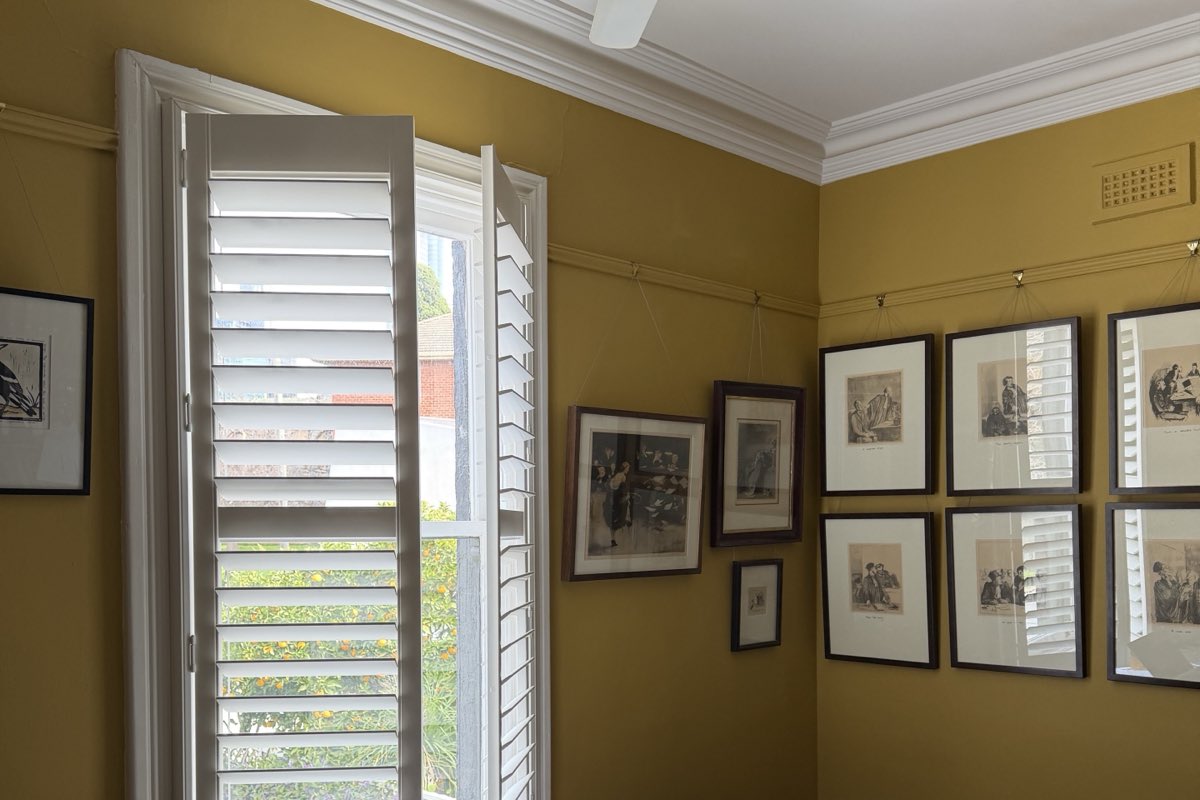
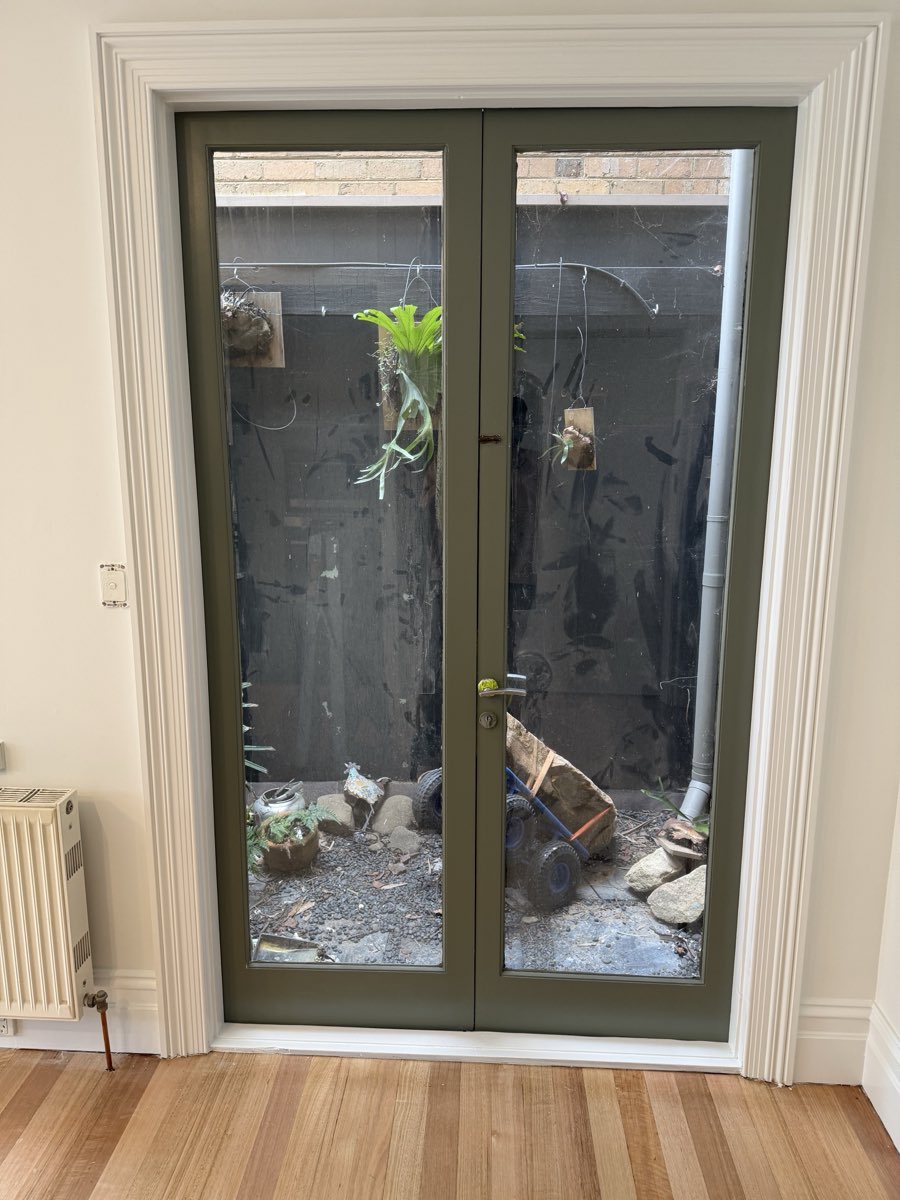
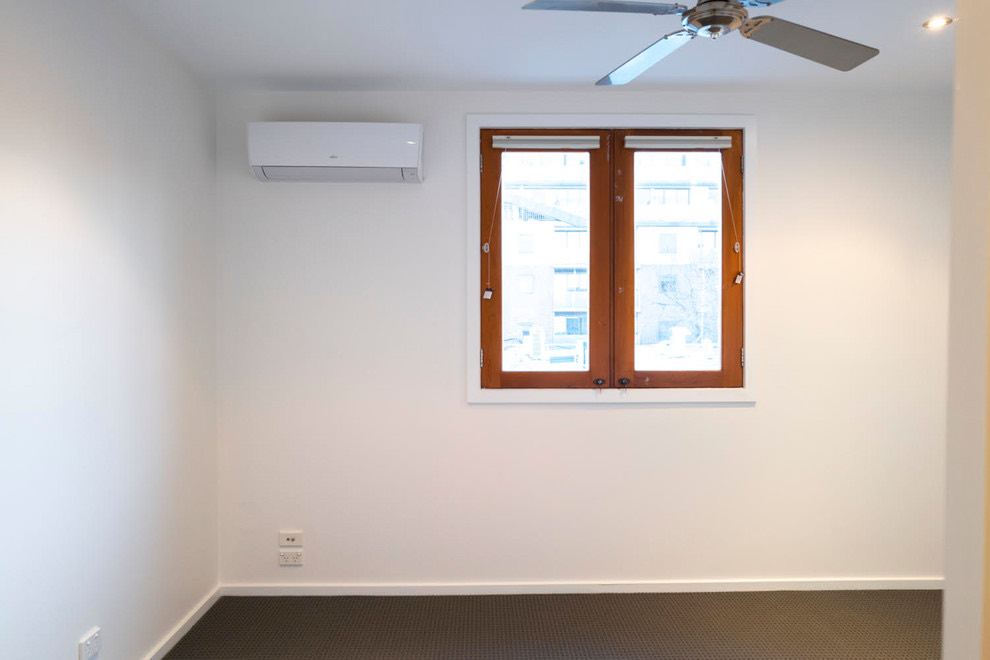
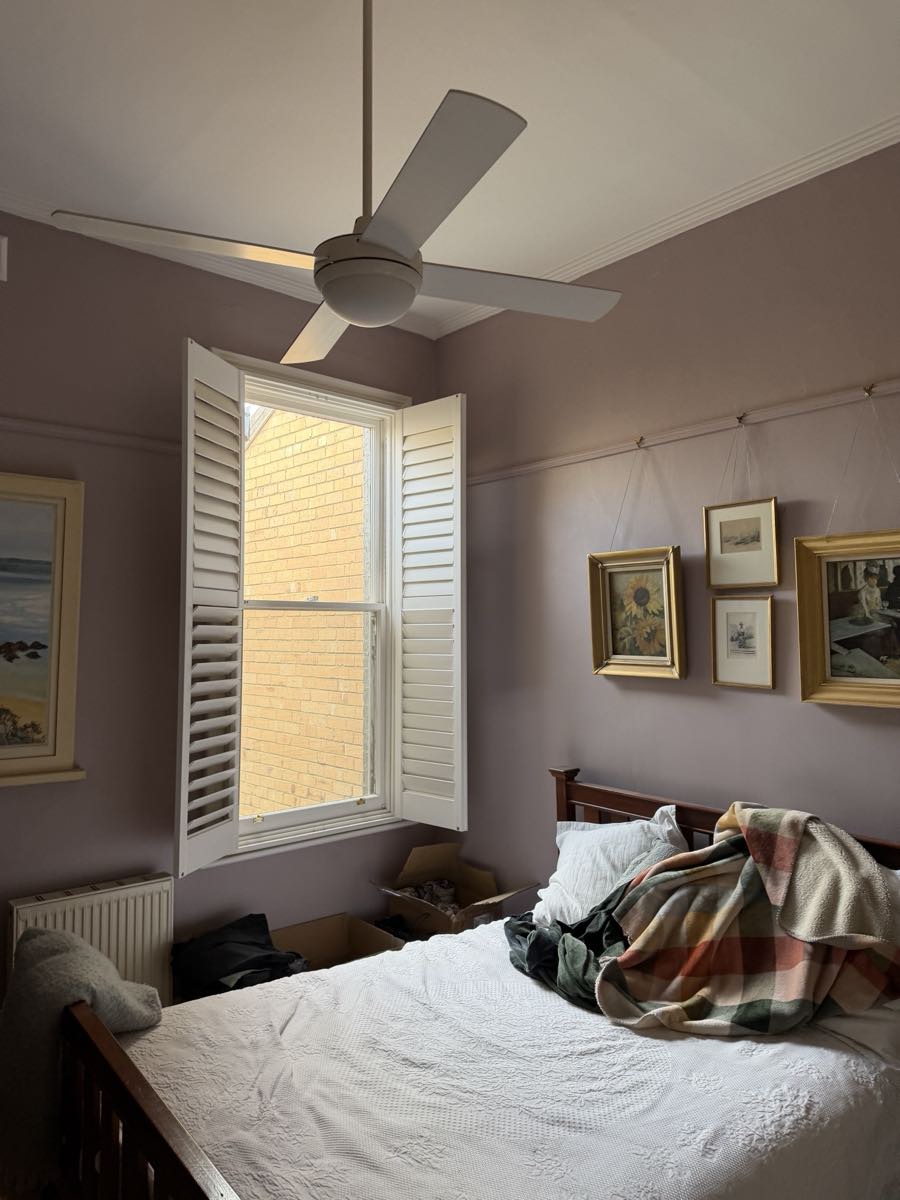
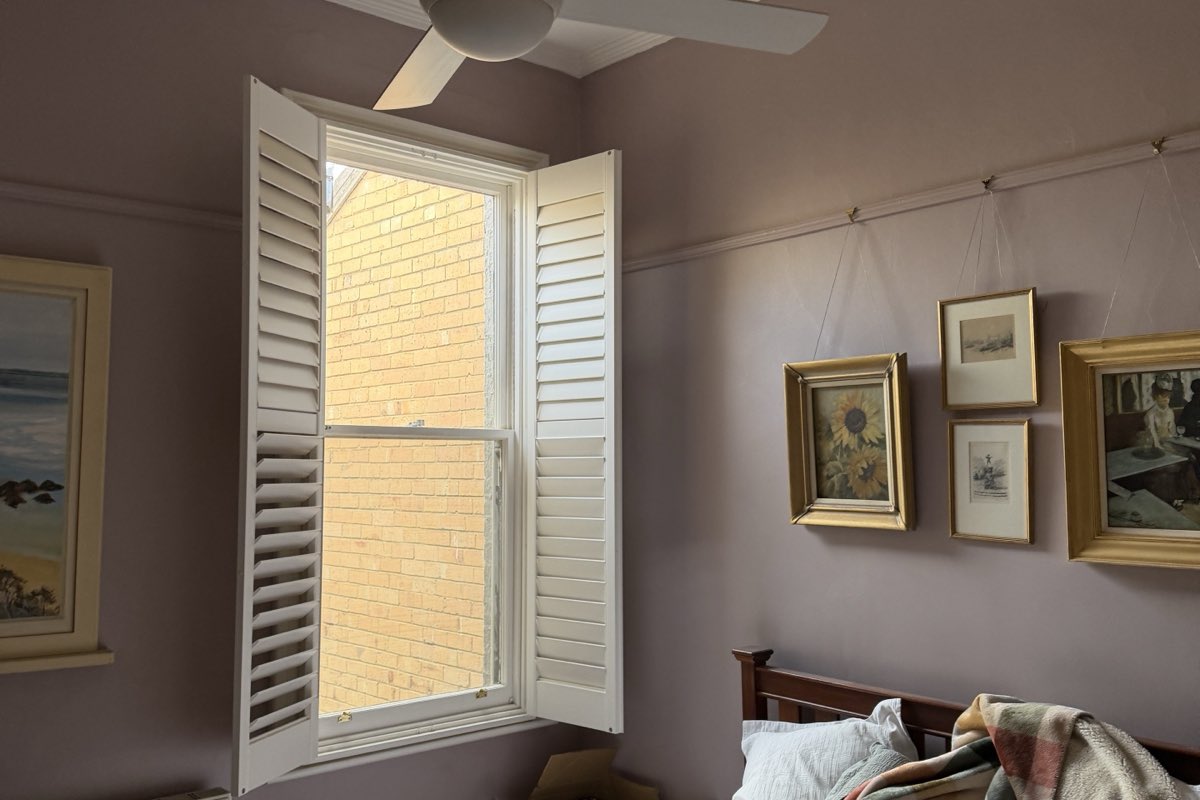
A renovation can preserve decorative front rooms while adding open-plan spaces at the rear. Older areas may include cornices, ceiling details, timber doors, skirting and architraves with built-up enamel; newer sections may use plasterboard, contemporary trims and large glazing. One colour can connect the rooms, but the same preparation may not suit every substrate.
Stable minor cracks and old patching can fit within normal painting preparation, while loose plaster, recurring movement or water damage may need further investigation. The quote should distinguish walls, ceilings, doors and trims and state whether the home is occupied, because sequencing, protection and daily access affect how the work can be organised.
Exterior access, timber and exposed details
Northcote’s varied topography and housing forms mean access should be confirmed on site rather than inferred from floor area. A raised façade, narrow side path, attached wall or elevated rear section can change equipment and sequencing. Weatherboards, eaves, fascia, windows, doors and verandah details should each be checked for adhesion, exposed timber and moisture-related failure.
Cleaning and coating over loose material is not adequate preparation. Minor defects may be fillable, but rotten timber, unsafe access, failed glazing components and active leaks sit outside ordinary painting. On brick or rendered homes, painted and unpainted masonry must also be distinguished so an unsuitable coating is not applied simply to make the façade one colour.
Treat recurring mould as evidence, not decoration
Mould staining in a bathroom, bedroom corner or ceiling shows enough moisture for growth; it does not identify the cause. Leaks, condensation and poor air circulation are possible contributors. Before repainting, the owner may need to address ventilation, plumbing, roofing, gutters, waterproofing or another defect. The surface must then be appropriately cleaned, dry and stable.
A painter can restore the finish once those conditions are met but cannot make active damp disappear beneath a coating. Recurring, concealed or extensive contamination calls for suitable professional assessment. This is particularly important where an older front building meets a newer extension, because the visible mark may be remote from the point where water enters.
Lead awareness and heritage checks before preparation
Older homes can contain lead-based paint, and poorly managed removal can spread contaminated dust or soil. A Victorian or Edwardian date therefore warrants awareness, not an automatic claim that lead is present. Testing or specialist advice may be appropriate before aggressive sanding or stripping, and routine repainting should not be described as lead abatement.
Heritage requirements must also be checked at property level. Darebin provides a heritage database and permit-exemption documents; some minor work may be exempt while other external changes may need approval. The owner should confirm controls before the scope is finalised. Pars Painting can then describe cleaning, preparation, priming and coating without representing the work as specialist conservation.
Painting questions in Northcote
Can both the old and new parts of a Northcote home be repainted?
Yes, where surfaces are suitable, but their materials and conditions should be distinguished. Old hard plaster, decorative timber and built-up enamel may need different preparation from new plasterboard. Significant movement, loose plaster, water damage or suspected hazardous coatings may need another assessment before a painting specification is finalised.
What happens if exterior timber is soft or rotten?
Paint should not conceal unsound timber. Minor surface preparation differs from replacing boards, rebuilding joinery or repairing structural decay. The affected item should be assessed and repaired by an appropriate trade where necessary. Painting can proceed once the timber is sound, suitably dry and ready for the specified system.
Should heritage controls be checked before choosing exterior colours?
Yes if the property may be within a Heritage Overlay or individually listed. Check the current Darebin database and applicable permit exemptions before committing to a change. Requirements are property-specific; period appearance alone does not confirm a listing, and a painter cannot grant planning approval.
Pars Painting does not claim to diagnose structural movement, remediate substantial mould, remove hazardous coatings or determine planning approval. These matters can require appropriately qualified advice. For general Victorian guidance, see Better Health Victoria on mould and moisture, WorkSafe Victoria on lead-based paint removal and Asbestos Victoria on identifying suspect materials.
Local housing and planning context source: Darebin City Council — Darebin Heritage Review 2000, Volume 1. The sources inform the suburb context; they do not imply that every property has the same age, construction, condition or planning controls.