

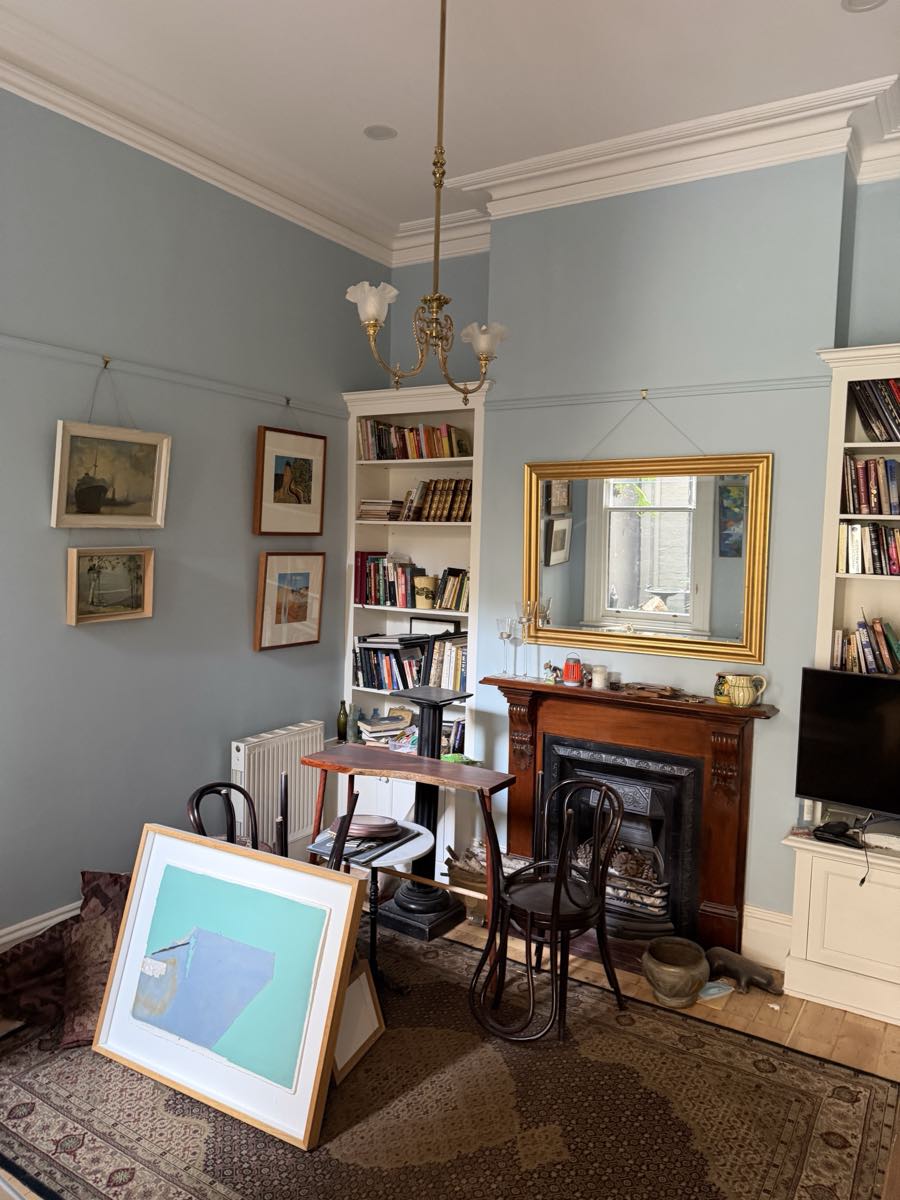
Start with the substrate, not just the colour
Victorian and Edwardian properties may combine plaster walls, decorative cornices, ceiling roses, timber doors and windows, skirting, architraves, weatherboards and masonry. Each surface can have a different coating history.
Old plaster and repaired areas
Cracks, patches and previous repairs should be assessed before finish coats. Cosmetic filling can improve presentation, but active movement or significant damage may require work outside a normal painting scope.
Decorative timber details
Doors, windows and trims can carry many old layers of enamel. Preparation may include cleaning, sanding and feathering failed areas while preserving the profile of the joinery.
Exterior period homes
Weatherboards, eaves, fascia, windows and decorative timber receive different levels of exposure. A clear quote should separate these surfaces rather than describe everything as generic exterior painting.
Moisture and recurring stains
Damp marks and mould staining should not simply be hidden. If moisture is active, the source needs attention before repainting.
Lead-paint awareness
Older coatings can contain lead. Where lead is suspected, preparation should avoid unnecessary contaminated dust and the appropriate work method or specialist assessment should be considered.
Heritage versus period-home painting
A period house is not automatically a heritage-conservation project. Properties subject to heritage controls or specialist conservation requirements may need additional approvals, colour requirements or specialist advice. Heritage Victoria’s heritage permit exemptions describe what can be done to a place on the Victorian Heritage Register without a permit. A council heritage overlay is a different control, so confirm it with the council for the address.