How a Moonee Ponds job is scoped
What actually changes the quote in Moonee Ponds
The mix this page publishes has one thing in common across all four property types: something is usually still happening in the building while it is being painted. People live there, a business is trading, or a body corporate has rules about when contractors can be in the common areas. Where that is true, scheduling is not an administrative detail attached to the end of a quote — it is the constraint that determines how the work is broken up and how long it takes.
This page covers homes, apartments, rentals and business premises across Moonee Ponds. The scope decisions below follow from that mix rather than from any assumption about a particular street or property, and they describe how Pars quotes and sequences the work rather than making a claim about the suburb itself.
Sequencing an occupied home room by room
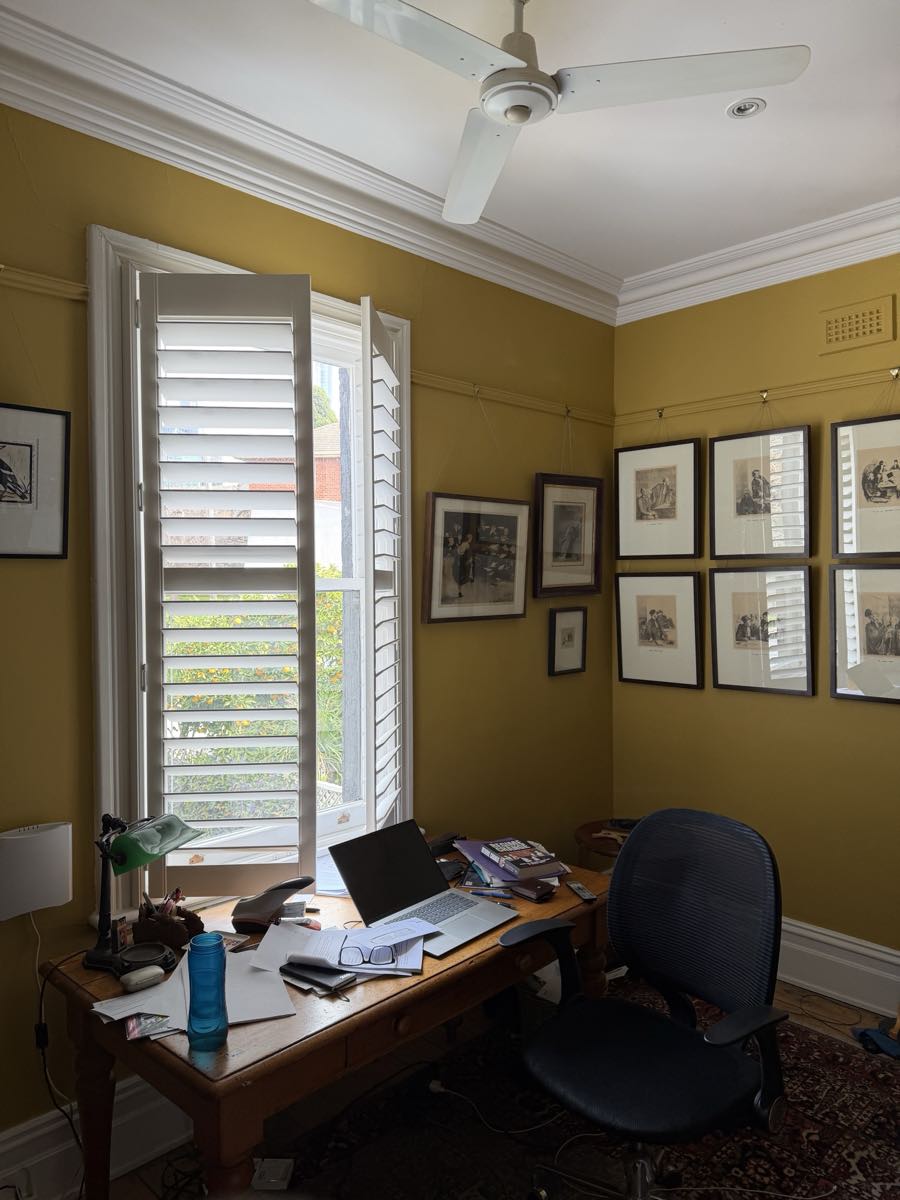
In a home that stays lived in, the practical unit of work is the room rather than the house. One or two rooms are prepared, painted and returned to use before the next are started, so the household keeps a kitchen, a bathroom and somewhere to sleep throughout. That is slower in total than clearing the whole interior at once and it is quoted that way, because furniture movement, re-protection and repeated set-up are real work rather than an inconvenience absorbed into the price.
Getting into and around an apartment building
An apartment repaint often has more conditions attached to the access than to the painting. Lift bookings, permitted working hours, where materials may be stored, whether the corridor may be used for set-down, and who authorises entry are typically set by the building rather than by us. Those need to be established before dates are agreed, because a scope that is achievable in an unrestricted house can take considerably longer inside a building with a booking system.
Painting a business without closing it
For a trading premises, the useful question is which surfaces can be worked on outside operating hours and which genuinely require the space to be closed. Some work can move to evenings or a quieter day; some cannot, because it needs continuous access, ventilation or a drying period that will not fit in a short window. Sorting the scope into those two groups before quoting produces a schedule the business can actually plan around rather than one that has to be renegotiated on site.
What to include in a Moonee Ponds enquiry
- Whether the property will be occupied, trading or empty while the work happens.
- Any building rules on working hours, lift access, storage or contractor entry.
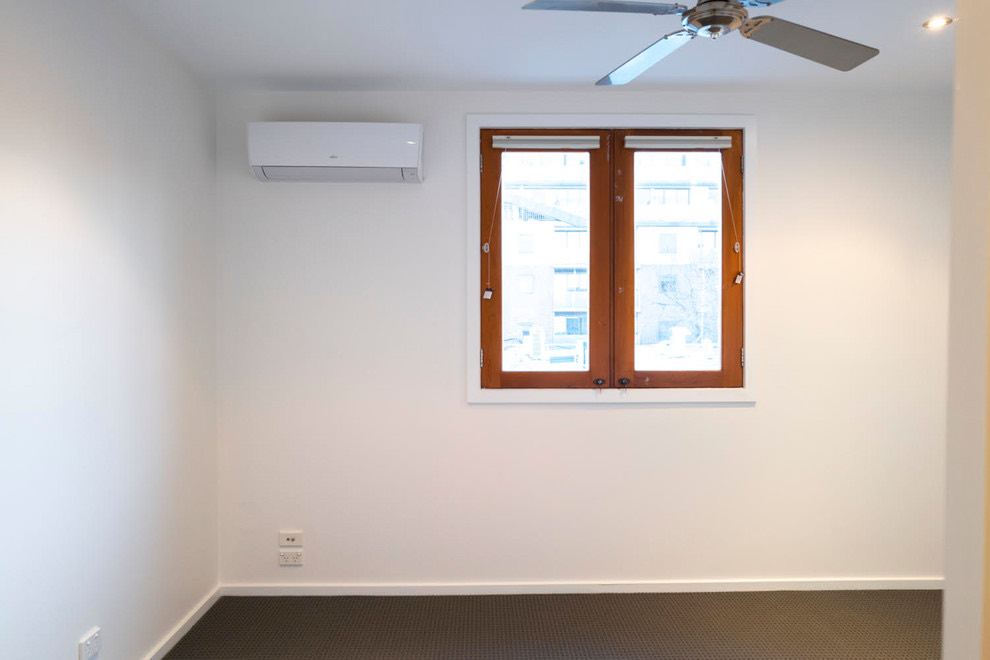
- Which rooms or areas must stay usable, and which can be handed over completely.
- Any fixed dates — an inspection, a settlement, a reopening or a tenancy change.
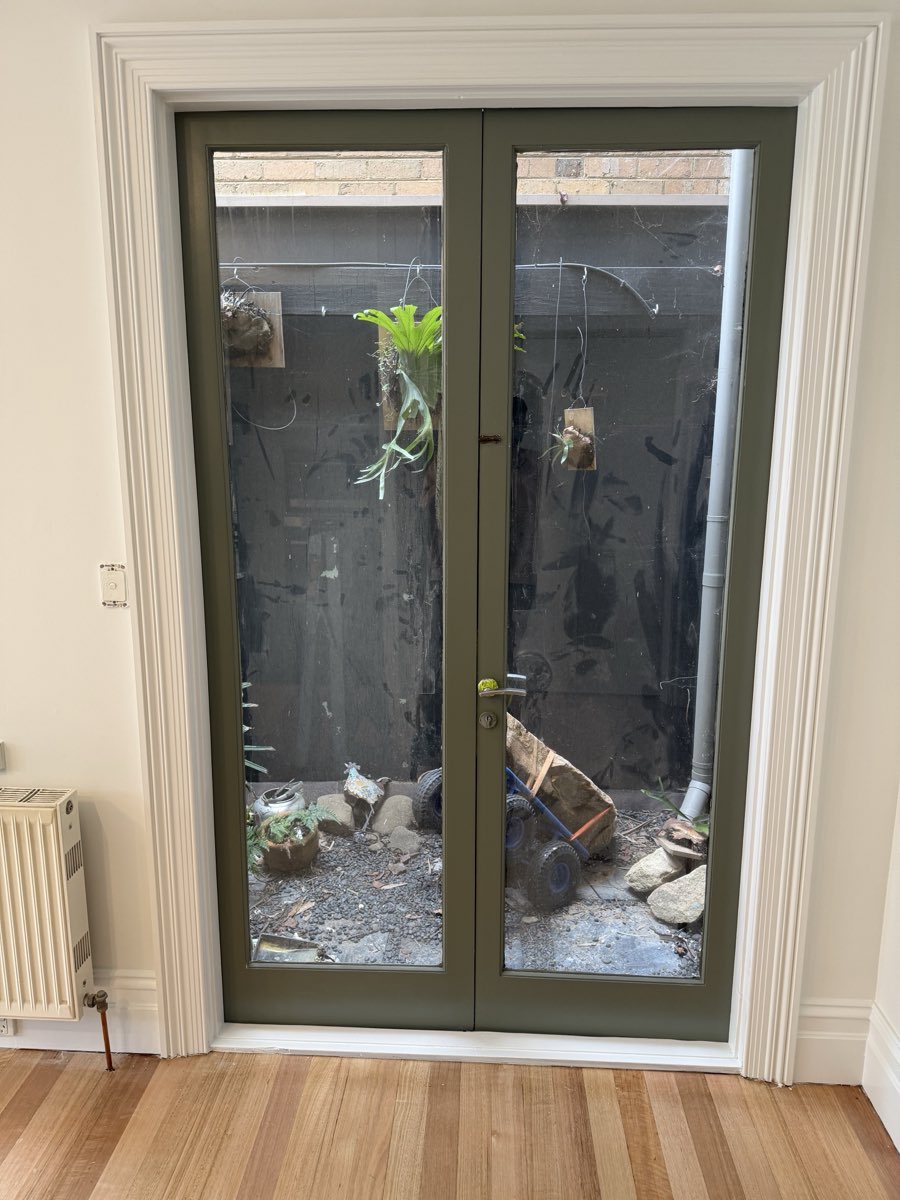
- Photographs of the surfaces and of the access route where it is restricted.
Questions that come up on scheduling around occupancy and access
Can we stay in the house while it is painted?
Usually. Interior work can be staged so that part of the home stays in use, with furniture moved and protected room by room and each area returned before the next begins. It takes longer than an empty property and the quote reflects that. Some work — extensive ceiling preparation, or coatings with a strong odour — is better done in a space nobody needs that day, and we would say so rather than work around it badly.
What does an apartment building usually need before work starts?
That varies by building and is set by the owners corporation or its manager, not by us. Commonly it includes agreed working hours, a booked lift or loading access, evidence of insurance, and confirmation of who may authorise entry to the lot. Asking the building for its requirements before dates are fixed avoids a schedule built on assumptions that the building never agreed to.