How a Hadfield job is scoped
What actually changes the quote in Hadfield
Maintenance repainting is the job type this page already names, and it is a genuinely different exercise from a full repaint. The question is not what colour the house should be. It is which surfaces have reached the end of their current coating, which are simply marked, and which are showing a problem that paint will not fix. A maintenance scope that gets that triage right costs less and lasts longer than one that repaints everything at the same time regardless of condition.
This page covers residential homes, rentals, units and maintenance repainting across Hadfield. The scope decisions below follow from that mix rather than from any assumption about a particular street or property, and they describe how Pars quotes and sequences the work rather than making a claim about the suburb itself.
Separating wear from failure
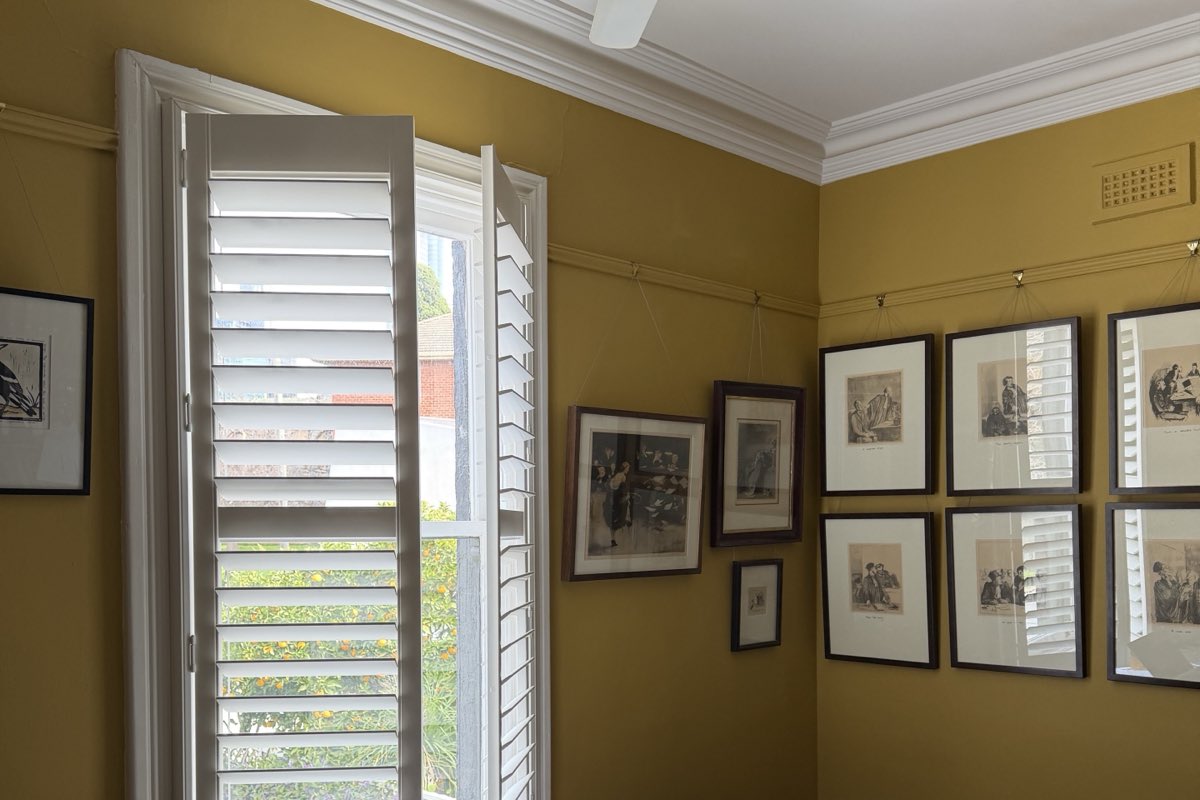
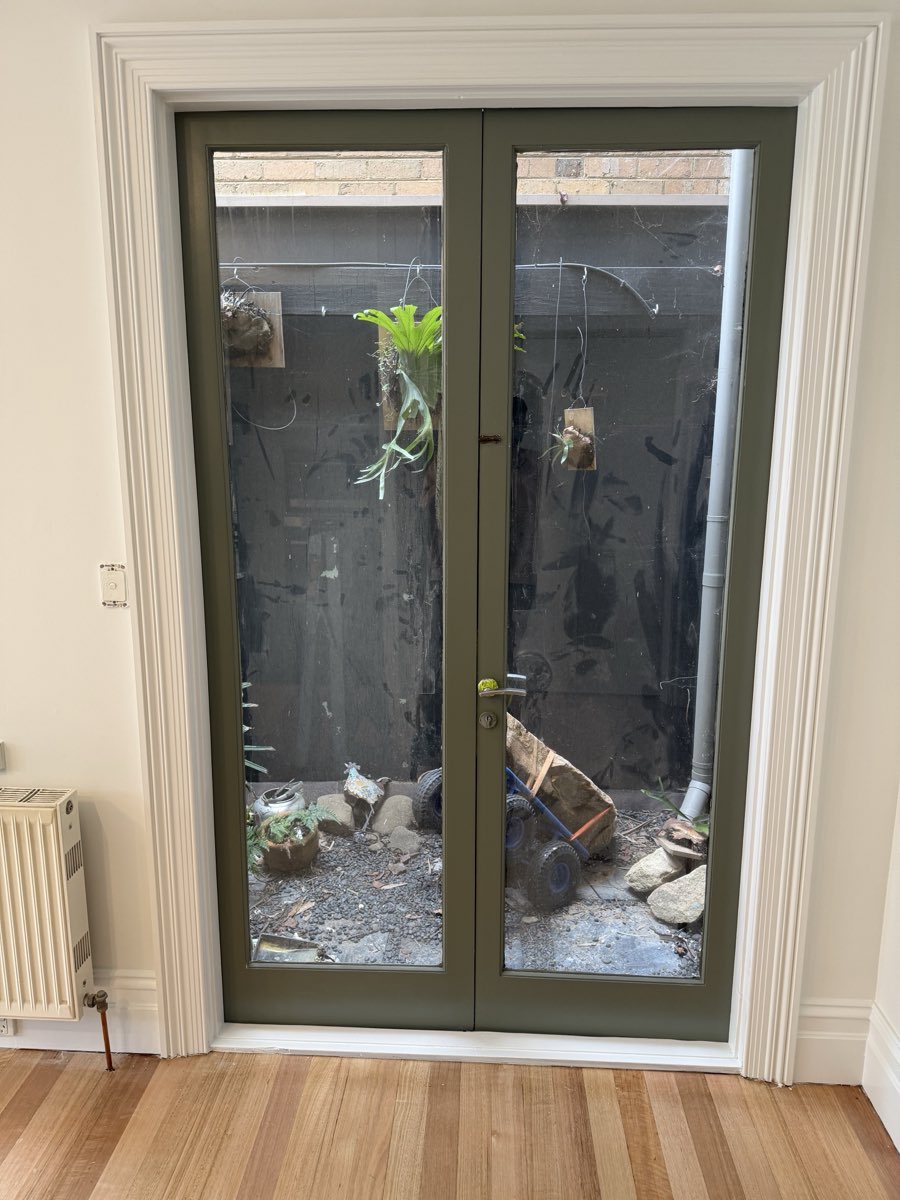
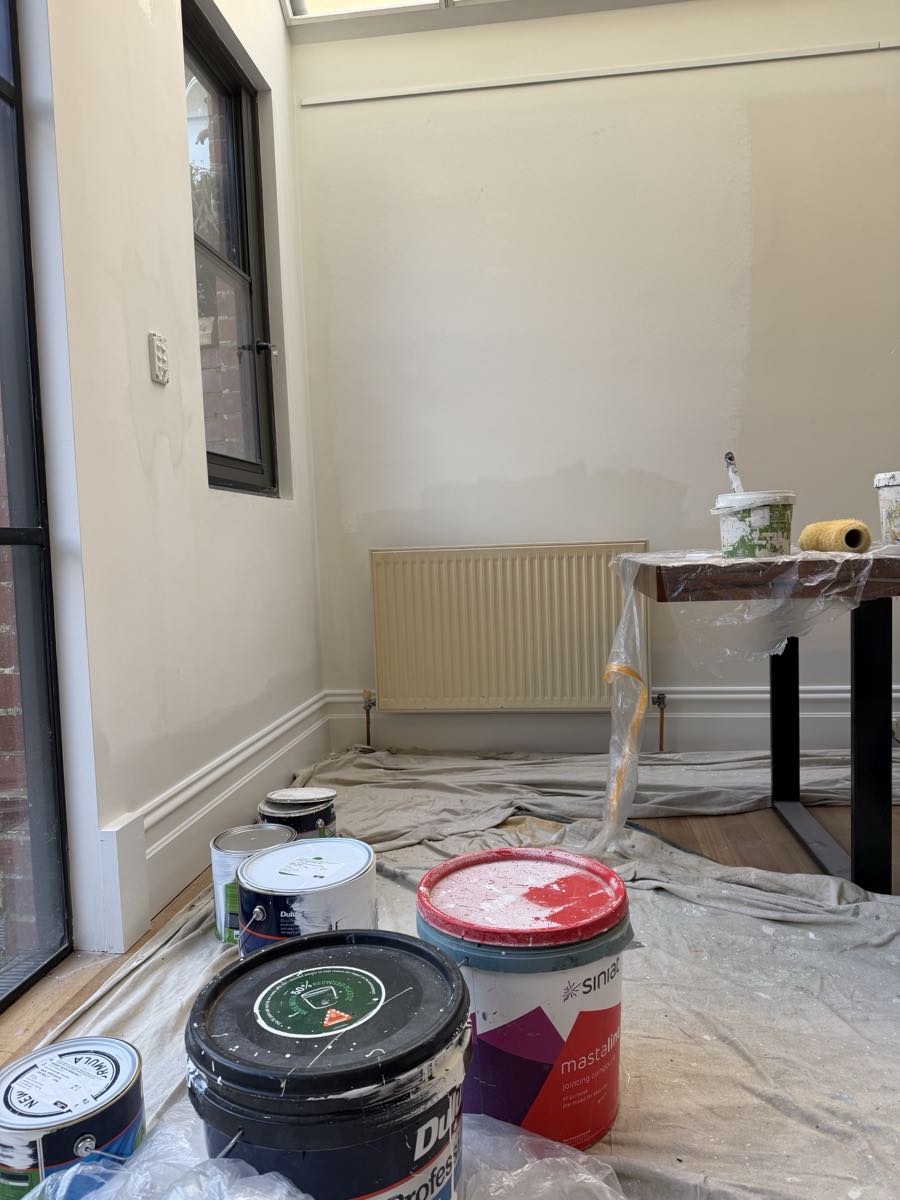
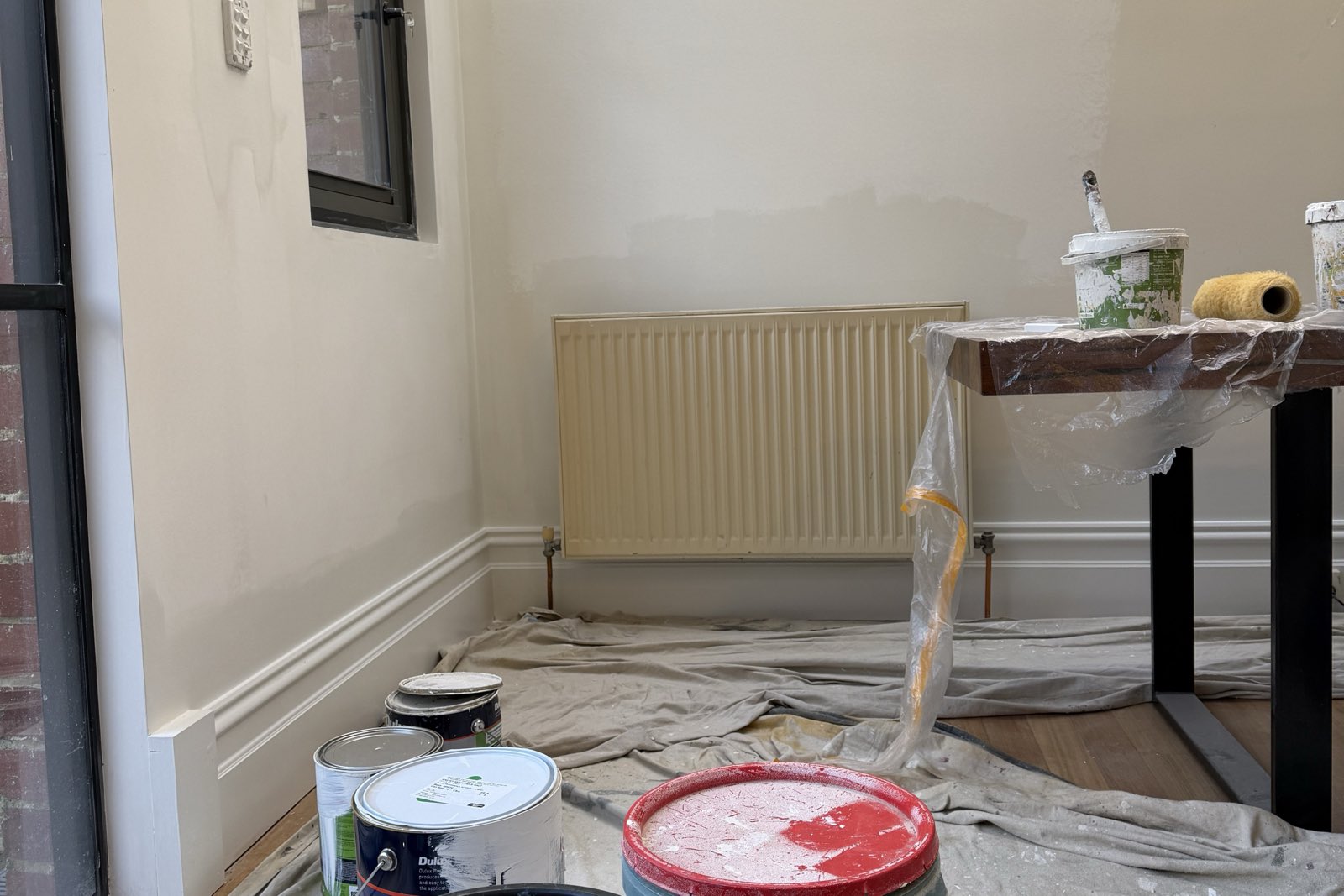
Scuffs, furniture marks and general grubbiness are wear: the coating is intact and the surface can usually be cleaned, spot-filled and recoated. Flaking, chalking, blistering and coating that lifts when it is scraped are failure, and those areas need the loose material removed and the substrate prepared before anything goes over them. Painting the second group as though it were the first is the most common way a maintenance repaint fails early, so the two are identified and priced separately rather than averaged.
Working to a changeover window
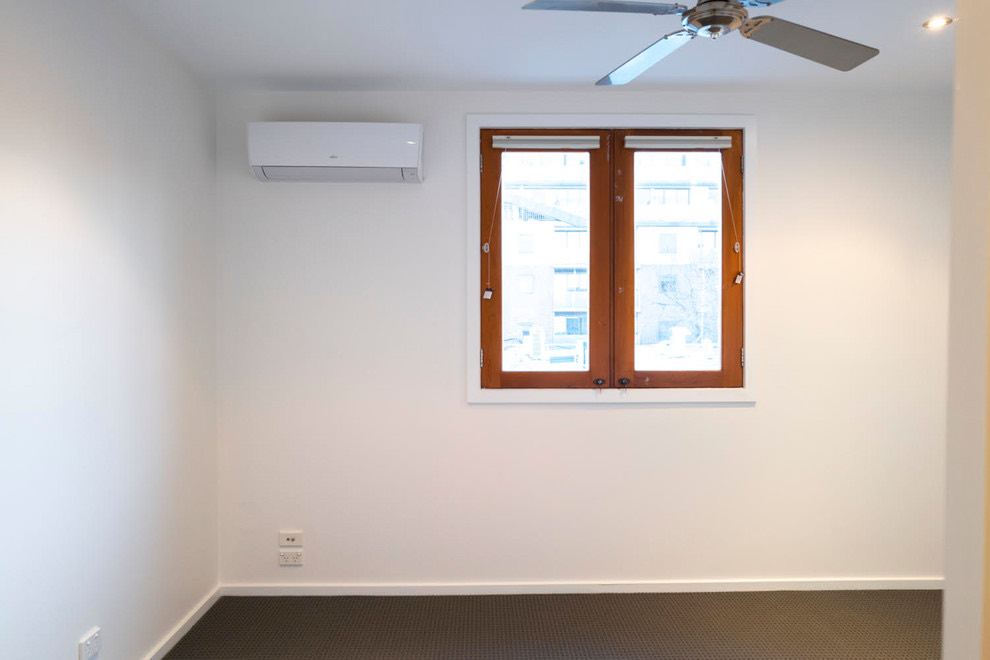
Between tenancies the constraint is the calendar, not the budget. A vacant property allows faster, less protected work than an occupied one, but the window is fixed and usually short. That favours a scope built in priority order — the surfaces a prospective tenant or an incoming inspection will actually notice first, then the rest — so that if something is discovered on site the job still finishes with the visible work complete rather than half of everything done.
Knowing where a unit stops and the building starts
In a unit or a small block, the walls, ceilings, doors and trims inside the lot are one thing and the entry, stairwell, corridor or external wall may be common property. Those are usually different budgets and often different decision-makers. We identify which surfaces sit inside the lot before quoting, and common-area work is written separately so an owners corporation or manager can consider it on its own terms rather than finding it inside a private quote.
What to include in a Hadfield enquiry
- Whether the property is occupied, vacant, or between tenancies with a fixed date.
- Which rooms or exterior surfaces are on the list, and which are being left for later.
- Close photographs of any flaking, blistering or previously patched areas.
- Whether the property is a unit, and if so which surfaces are inside the lot.
- The existing colours or a colour reference if you want the finish matched.
Questions that come up on maintenance repainting and rental turnover
Is it worth repainting only part of a property?
Often, yes. Where the coating on most surfaces is sound, concentrating on the areas that are actually worn or damaged usually gives a better result than spreading the same budget thinly across everything. The practical limit is colour and sheen: a partial repaint reads as a repair rather than a refresh if the new work does not sit consistently against what stays.
Can painting be finished between one tenancy and the next?
It depends on the scope, the surfaces and the length of the window, and it should be confirmed before the dates are committed rather than assumed. Preparation and drying times are the fixed part; the flexible part is how much of the property is included. Where the window is tight we would rather reduce the scope in advance than start a larger job that cannot be finished properly in the time available.