Local property and preparation guide
What changes the painting scope in Essendon
Essendon contains a layered housing mix: Victorian and Edwardian residences, interwar bungalows, later family homes, renovations and contemporary apartments. Moonee Valley’s heritage program assesses residential places and precincts from these earlier periods, so heritage awareness can be relevant—but it must never be assumed from age or appearance. Pars Painting Melbourne scopes the individual property and its present condition.
Period character requires an address-specific check
Moonee Valley City Council maintains heritage studies covering Essendon and explains that precincts can contain groups of houses sharing an era or character. Its work includes Victorian, Edwardian and interwar residential places. This makes heritage context relevant, but not every Essendon house is heritage-listed and not every older home requires conservation work. The address and applicable planning controls need checking.
External paint controls can apply to some places or precincts, and a permit may be required to change a controlled property’s colour scheme. That check belongs before colour commitment or commencement. A painting quote can document surfaces and preparation, but it does not replace heritage advice or planning approval. Contemporary homes and apartments should also be described accurately rather than forced into a period-home narrative.
Timber, render and masonry on older façades
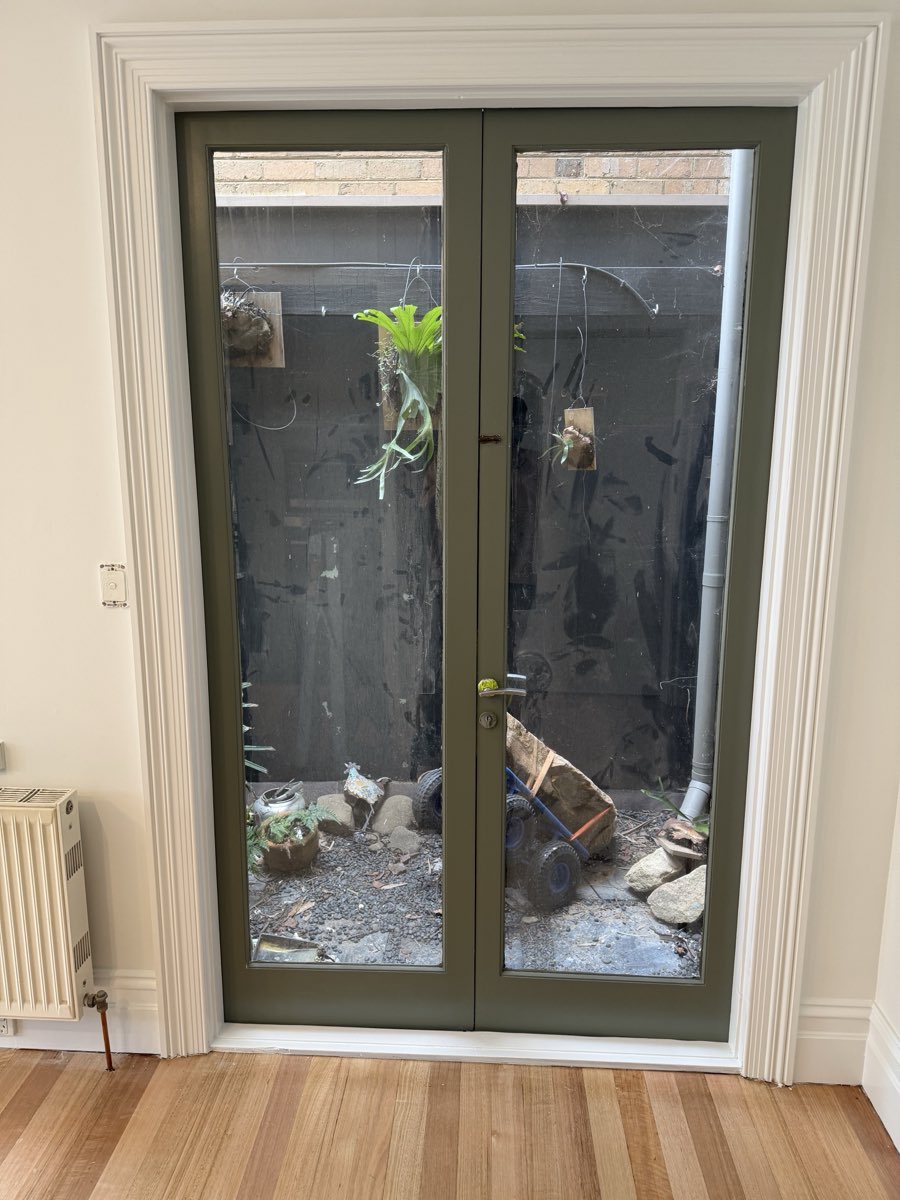
A period façade may combine timber windows, doors, verandah elements, eaves, rendered details and face or painted brick. Decorative profiles should not be flattened by careless filling or uncontrolled heavy sanding. Preparation is usually selective: cleaning, removing coating that has lost adhesion, feathering edges, attending to suitable minor defects and priming exposed material with a compatible system.
Cracked render, movement, decayed timber and failed roofing or flashing are not purely paint defects. They can require repair before coating. Unpainted masonry should not be coated automatically, especially where original material character matters. If heritage controls apply, colour and material decisions may need Council approval. The quote should distinguish painting preparation from joinery restoration, conservation and building repair.
Detailed interiors and generations of previous work
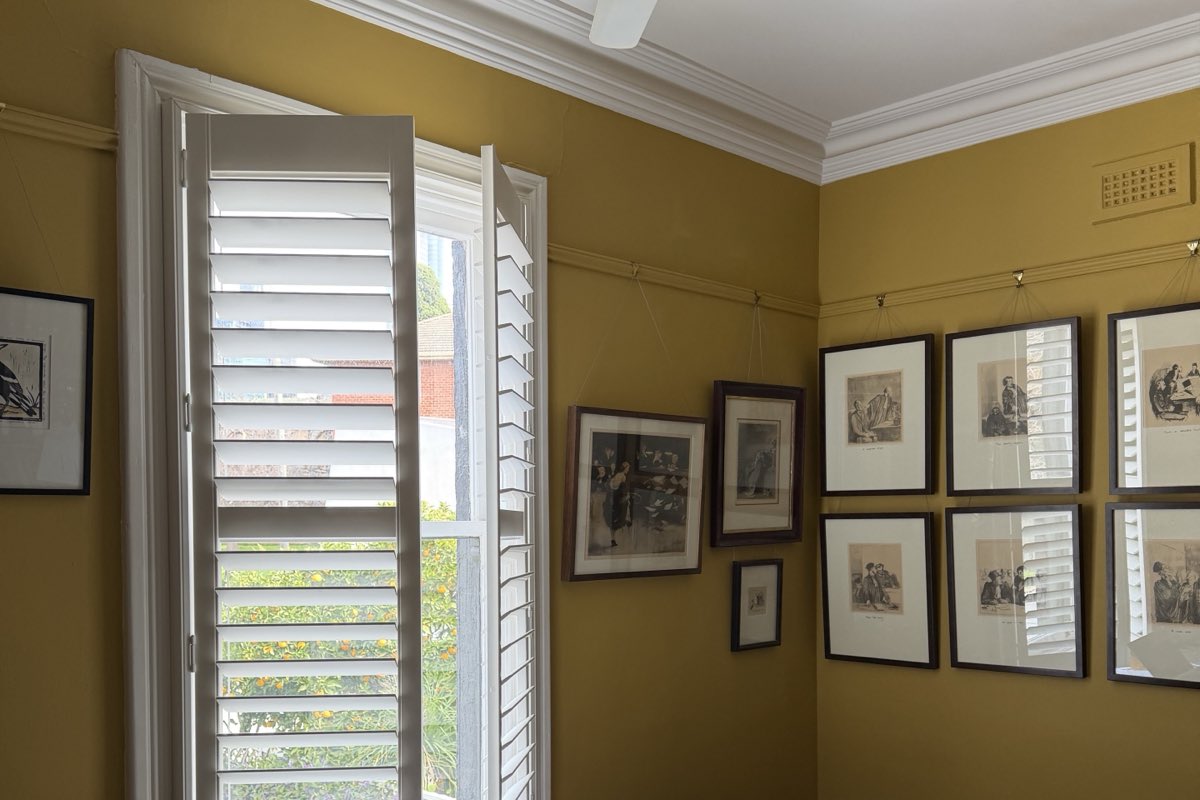
Older interiors may include plaster walls, ceiling roses, cornices, timber doors, architraves and skirting beside modern extensions. These surfaces can hold several generations of paint and repair. Cracks may be stable and cosmetic or may show movement that filling alone will not resolve. Thick enamel can obscure joinery detail, while weak patches can remain visible beneath a new finish.
A considered scope separates broad surfaces from detailed work and states the intended preparation. Walls, ceilings, cornices, doors, frames and decorative elements should not share one assumed allowance. Transitions between old solid plaster and newer plasterboard need attention under side lighting. Specialist decorative finishes, significant plaster reconstruction or conservation-grade work should be identified rather than presented as standard repainting.
Lead-paint awareness and moisture before cosmetics
Older coatings may contain lead, particularly on timber joinery with a long paint history. Age does not prove lead is present, but it is reason to avoid uncontrolled dry sanding or dust creation until risk and suitable method have been considered. Testing or specialist advice may be appropriate depending on coating condition and the proposed disturbance. A routine repaint should not be described as lead abatement.
Moisture marks need the same restraint. Mould or staining around ceilings, bathrooms, external walls or windows can follow condensation, leaks or failed building elements. The source should be addressed first. Only a clean, dry and stable substrate is ready for repainting. Extensive mould, active damp or hidden contamination may need a qualified specialist; paint cannot cure a leak.
Modern homes, apartments and managed properties
Contemporary houses, apartments and mixed-age developments bring different requirements: tall voids, limited access, owners corporation rules, shared corridors and modern low-sheen finishes. Internal apartment work may be within the owner’s control while balcony, façade or common-area painting is not. Written permission and access arrangements should be resolved by the responsible owner or manager.
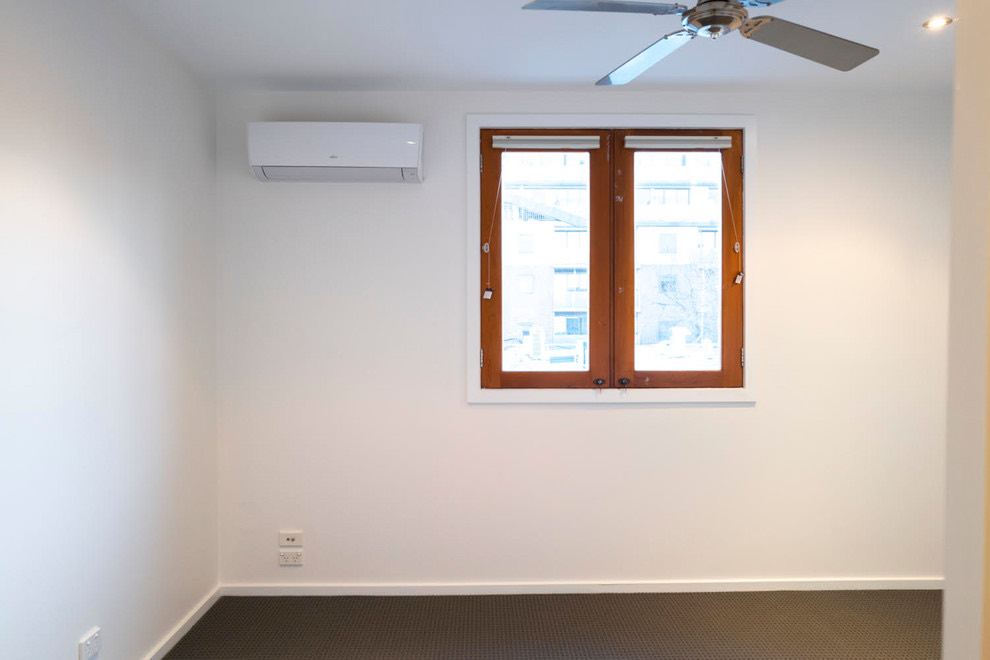
Open-plan interiors can show patching and sheen differences strongly under large windows. A local touch-up may not blend even when the nominal colour is known. Inspection should consider viewing conditions, existing finish and connected wall planes before partial or full coating is recommended. Include the address, era if known, heritage status if known, rooms or elevations, defects, access and photos with the enquiry.
Painting questions in Essendon
Can an Essendon heritage property’s exterior colour be changed?
Possibly, but applicable controls must be checked first. Moonee Valley City Council explains that external paint controls relate to historically appropriate colour palettes and that a planning permit is required to change the colour scheme where those controls apply. The owner should confirm heritage status and approvals before work begins; a painter cannot determine permission.
How should suspected lead paint be handled during preparation?
It should not be treated as ordinary coating dust. Older paint may contain lead, so the age, condition and proposed disturbance need consideration before sanding or removal. Testing and a controlled method may be required, and extensive deterioration can call for specialist advice. Standard repainting should never be presented as lead abatement without the relevant assessment and controls.
Do ornate period interiors always require specialist conservation?
No. Sound walls, trims and decorative plaster can often be prepared and repainted within an ordinary professional painting scope. Specialist input becomes relevant for significant plaster reconstruction, fragile historic fabric, decorative finishes, heritage specifications or conservation decisions. The quote should identify which details receive routine preparation and which are referred or excluded.
Pars Painting provides preparation and repainting of suitable surfaces, not heritage certification, conservation consultancy, lead abatement, mould remediation or structural repair. Required approvals and specialist assessments must be resolved before affected work starts. For general Victorian guidance, see Better Health Victoria on mould and moisture, WorkSafe Victoria on lead-based paint removal and Asbestos Victoria on identifying suspect materials.
Local housing and planning context source: Moonee Valley City Council — Heritage studies and external paint controls. The sources inform the suburb context; they do not imply that every property has the same age, construction, condition or planning controls.