Local property and preparation guide
What changes the painting scope in Coburg
Call Pars to discuss your surfaces and preparation, or send photos on WhatsApp to start the conversation.
From early Coburg homes to interwar estates
Merri-bek heritage research records Victorian and Federation-era houses around Coburg’s earlier development corridor and extensive later bungalow development. Council material describes weatherboard Californian bungalows as a prominent 1920s form and identifies timber and brick examples. This history creates varied painting conditions within the same suburb.
An early weatherboard cottage may have old timber windows and many coating layers; a bungalow may combine weatherboards, rendered porch details, brick piers and timber gable elements; a post-war home may rely more on face brick and painted eaves. The style is useful context, but the quote still needs to follow the material and condition of each surface rather than a suburb-wide assumption.
Bungalow details should not be treated as flat walls
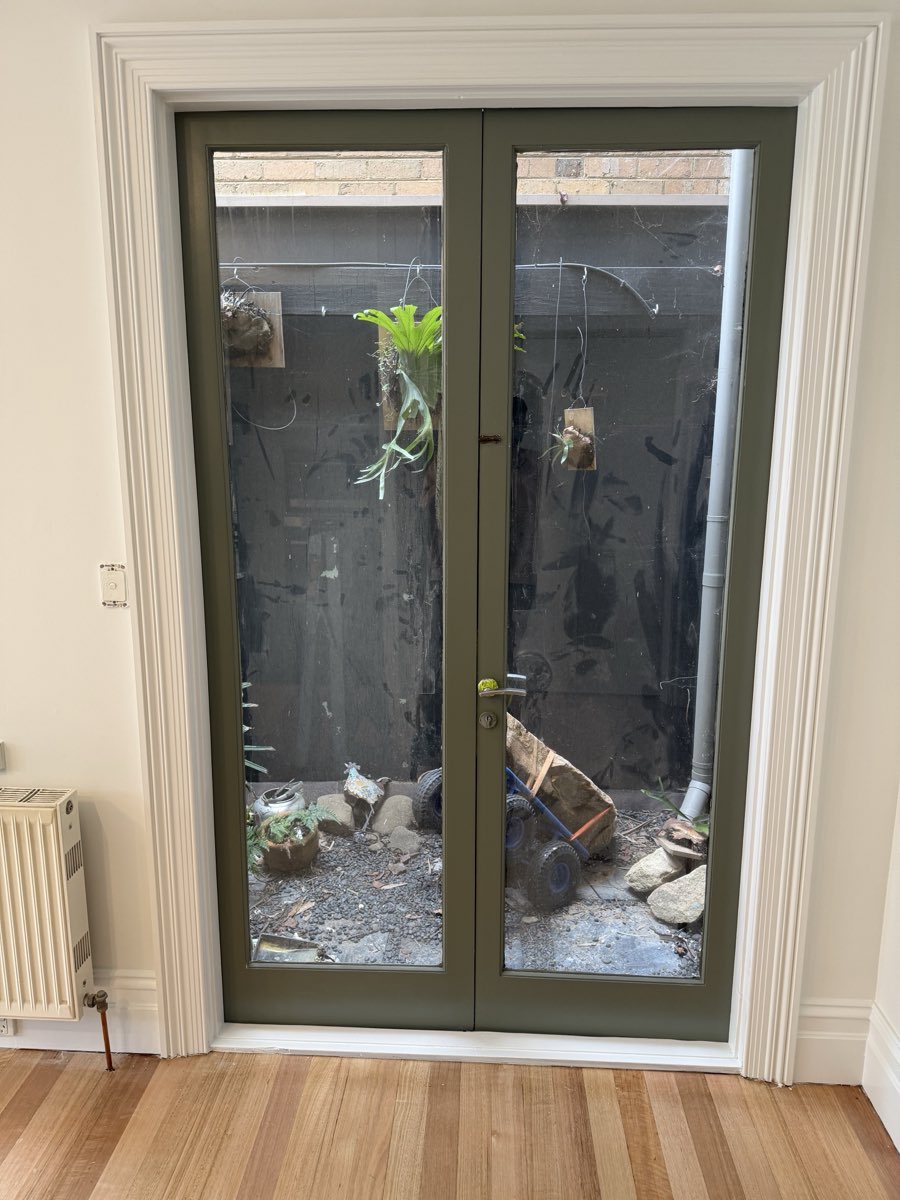
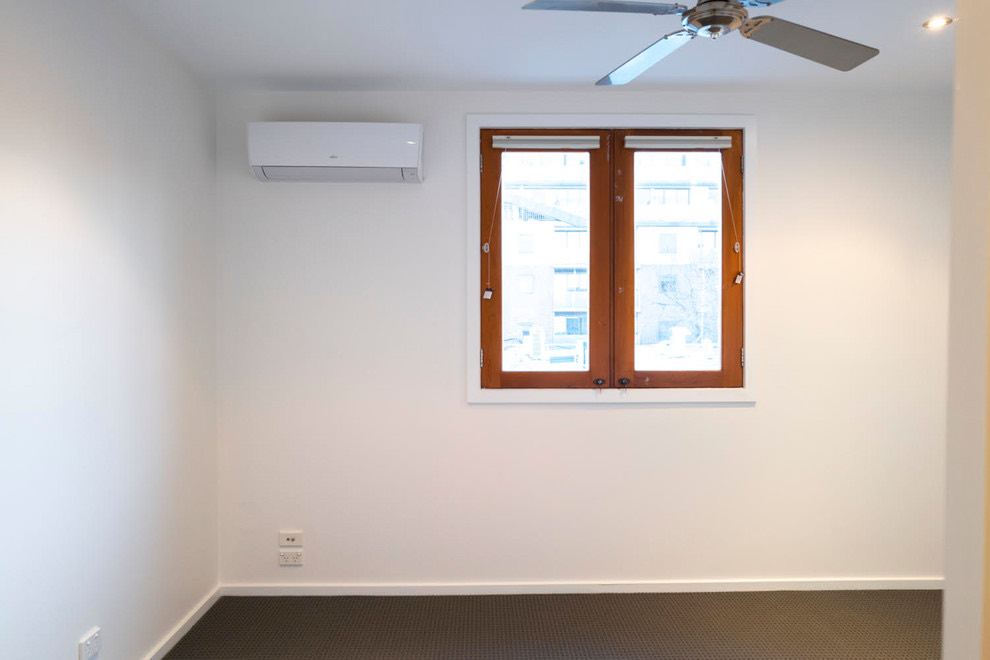
Coburg bungalows can feature projecting gables, timber shingles or battens, porch structures, sash or casement windows and mixed brick-and-render details. These create more edges, joints and transitions than a simple wall area. Preparation should identify loose coating, open joints, chalking, bare timber and local failure without promising that paint will repair structural movement or decay.
Previously unpainted face brick should not be coated automatically, particularly where heritage significance or moisture behaviour needs consideration. Timber gables, eaves, windows and doors can be itemised separately so the owner can see what is included and which defects may require carpentry or another building trade before painting.
Weatherboards, additions and rear decks
On a renovated home, the original building and later extension can weather differently. Old weatherboards may carry brittle or built-up coatings, while newer fibre-cement, timber or rendered surfaces need another preparation and primer system. Elevations also receive different sun, shade and moisture exposure, so the most weathered side should not be used as the automatic allowance for every wall.
A rear deck, verandah floor or exterior stair needs its own assessment. Boards must be checked for soundness, moisture, contaminants and the existing finish before a compatible maintenance coating is selected. Loose boards, rot, unsafe framing and major repairs are not corrected by staining or painting and should be referred to the appropriate trade.
Damp marks, mould and older coating layers
Visible mould or recurring staining should not be hidden beneath a quick ceiling coat. The source might be condensation, limited ventilation, roofing or plumbing failure, drainage or another building issue. Repainting is appropriate only after the cause has been addressed and the substrate is suitably clean, dry and stable.
Coating age also matters. WorkSafe Victoria advises that lead-based paint was commonly used on many pre-1970s buildings; age alone does not prove a particular coating contains lead. Suspected material should be assessed and preparation should avoid uncontrolled contaminated dust. Extensive mould or hazardous-coating removal may require specialists beyond an ordinary repaint.
Heritage-aware scoping without assumptions
Coburg includes individual heritage places and precincts, but controls vary by address. Merri-bek advises property-specific checking for external changes under a heritage overlay, and some controls can affect painting. Before changing an exterior scheme or coating a previously unpainted surface, the owner should confirm the applicable requirements.
A clear site-based quote can then separate walls, ceilings, timberwork, weatherboards, eaves, masonry, render and optional deck work. It should state the preparation allowed for, access assumptions and exclusions. This respects Coburg’s mixed building fabric without unsupported promises about approvals, hidden defects or the durability of an unknown existing coating system.
Painting questions in Coburg
What preparation might a Coburg weatherboard home need?
Condition determines the work. Suitable preparation may include cleaning, scraping loose coating, feather-sanding stable edges, filling minor defects and priming exposed timber. Soft or rotten boards, active water entry and major failed joints are different from paint preparation and may require repair first. Each elevation should be assessed separately.
Can brick, render and timber all use the same paint?
Not necessarily. Face brick, previously painted masonry, render, weatherboards and timber joinery behave differently and may need separate cleaning, primers and finish products. Unpainted brick should not be coated without considering moisture behaviour, maintenance and heritage controls. A quote should identify each substrate rather than calling the whole exterior one surface.
Can mould-affected rooms be included in an interior repaint?
They can be considered after the moisture source has been resolved and the material is suitable for coating. Small surface staining differs from extensive, concealed or recurring mould. Pars Painting can scope preparation and repainting but does not diagnose leaks, provide health advice or perform specialist remediation.
A painting inspection cannot certify structural soundness, diagnose hidden moisture, authorise heritage work or confirm whether an old coating contains lead. Specialist assessment may be required. For general Victorian guidance, see Better Health Victoria on mould and moisture, WorkSafe Victoria on lead-based paint removal and Asbestos Victoria on identifying suspect materials.
Local housing and planning context source: Merri-bek City Council — Thematic History 2020. The sources inform the suburb context; they do not imply that every property has the same age, construction, condition or planning controls.