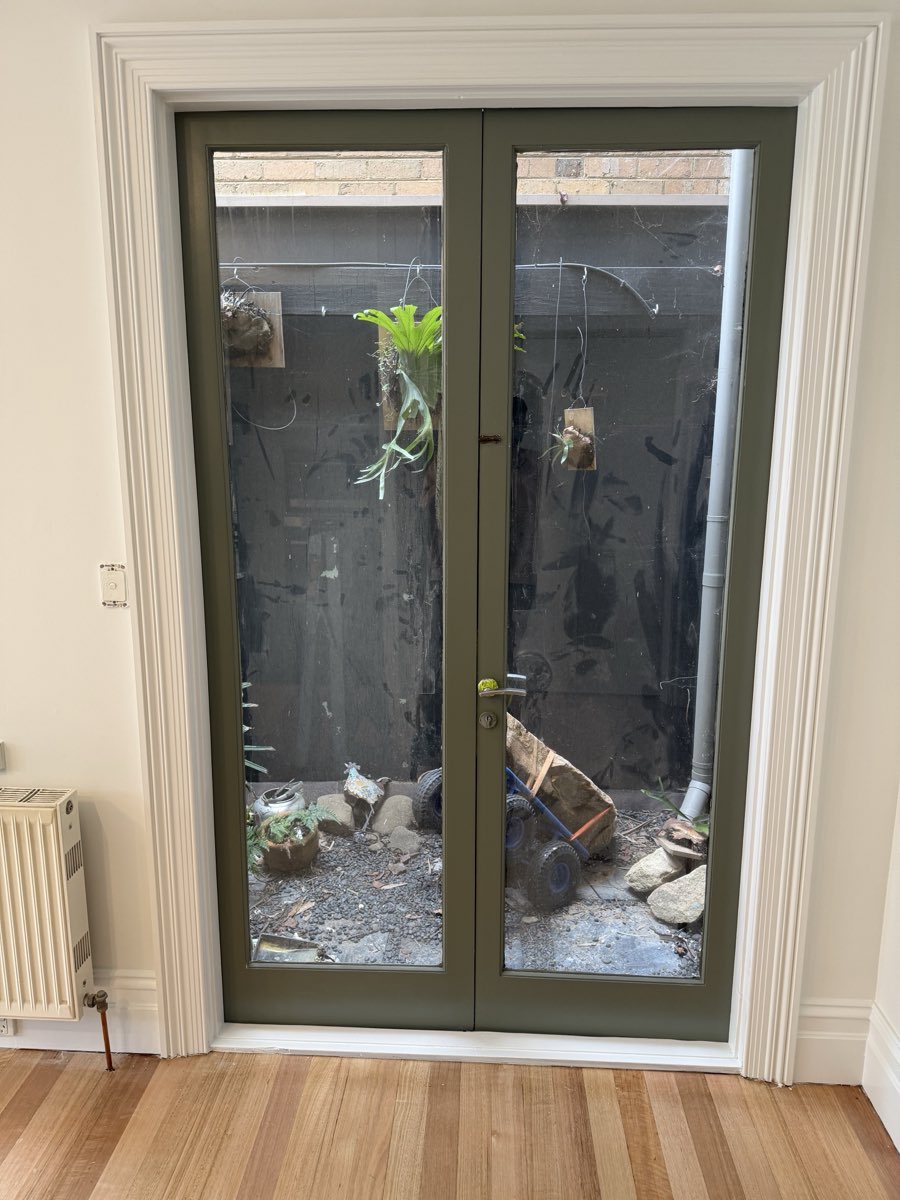
Elevation, access and surface failure can matter as much as property size.
Separate every substrate and elevation
Weatherboards, masonry, render, eaves, fascia, gutters, windows, doors and metalwork do not share one preparation method. A useful exterior quote lists the included materials and identifies whether every elevation or only selected areas are in scope.
Preparation can be the largest variable
Washing, scraping, sanding, feathering failed edges, treating corrosion and priming bare areas take time. New coating cannot make loose paint or decayed material stable, so the condition underneath must be assessed first.
Access changes the work method
Building height, ground slope, narrow side paths, neighbouring boundaries, landscaping and overhead obstructions can affect safe access and protection. These details should be identified before the scope is finalised.
Weather and exposure are not equal on every side
Sun-facing surfaces may fade or chalk, while shaded elevations can hold moisture longer. The timing of washing, preparation and coating must also allow for the selected product's application and drying requirements.
Repairs need a clear boundary
Minor cosmetic preparation should be distinguished from carpentry, leak repair, replacement of rotten timber or rectification of building defects. Those items may need another trade before painting can proceed.
What to send for an initial review
- Photos of each elevation and close-ups of failed areas.
- A list of surfaces, colours and any areas not required.
- Notes on height, slope, parking and restricted access.
- Known leaks, repairs or previous coating problems.
See the Melbourne exterior preparation guide and peeling-paint guide before comparing quotes.