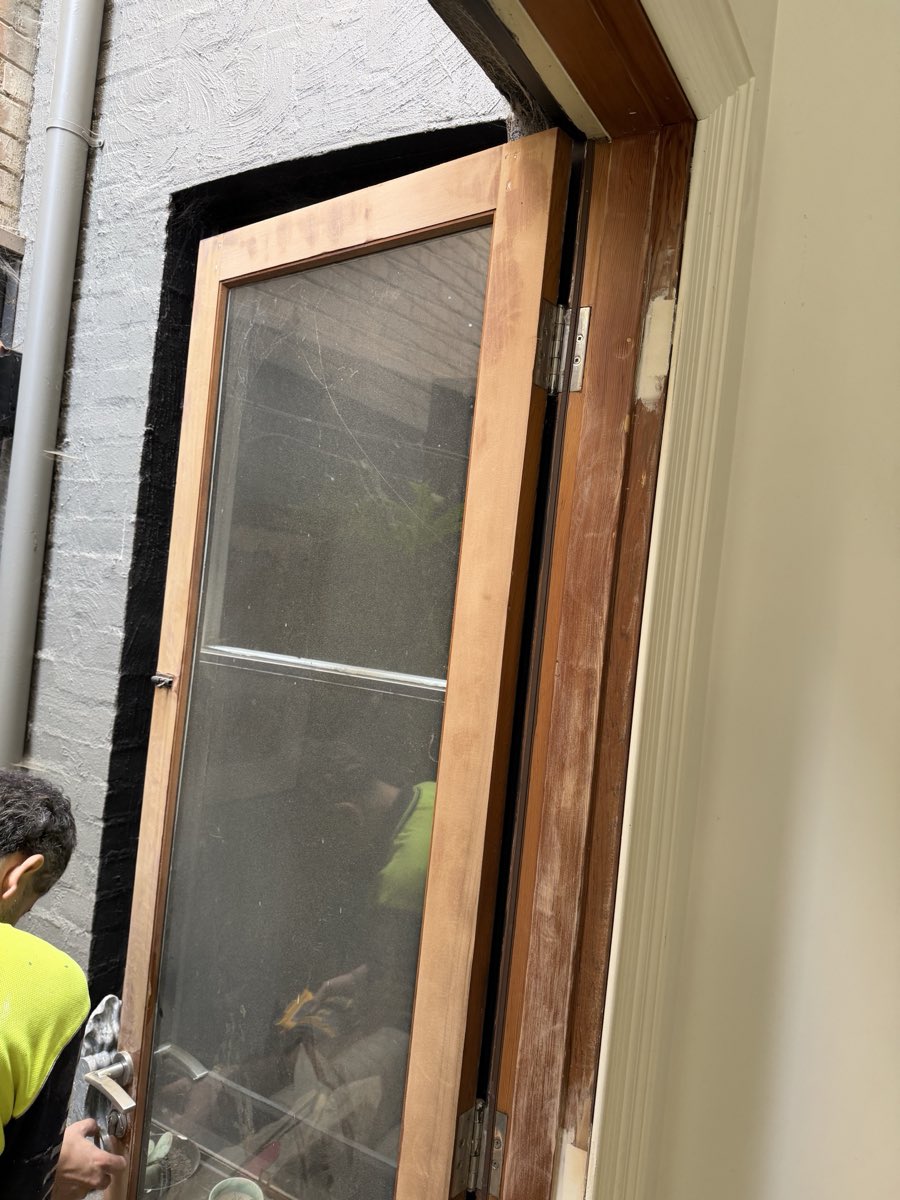
The failed layer, moisture history, substrate and exposure need to be checked before deciding how much coating to remove or what to apply next.
Poor adhesion below the visible layer
Paint can release when it was applied over dirt, chalking, gloss, loose coating or another unstable surface. Adding a fresh coat over the same weak layer usually transfers the problem to the new finish.
Moisture moving through the surface
Leaks, condensation, failed seals or damp substrate can contribute to bubbling and peeling. Painting does not stop an active moisture source. The cause and drying condition should be addressed before repainting.
Sun and exterior weather exposure
UV, heat, rain and repeated material movement can age exterior coatings. Different elevations of one house may fail at different rates because their exposure and drying conditions are not equal.
Incompatible or incomplete coating systems
Bare substrate, repairs and some previous finishes can need particular preparation or primer. Product selection should follow the substrate, the existing stable coating and the current manufacturer's instructions.
Unstable material underneath
Rotten timber, powdery masonry, active rust and failed sealants cannot be repaired by a finish coat. The defective material may need repair, replacement or another qualified trade before painting.
What a repaint scope should record
The inspection should identify where coating is loose, how removal boundaries will be handled, which areas need primer and which defects sit outside normal painting preparation. No online guide can diagnose a specific property from the symptom alone.
For exterior sequencing, read the exterior preparation guide. For moisture-related staining, see the mould-affected repainting guide.