
Cracks can have different causes, and a photograph or paint inspection cannot diagnose structural movement. Damp and mould need the moisture source addressed first; repainting over an active leak, condensation problem or mould growth will not solve it. High ceilings mainly change safe access, preparation and detailing—not the cause of a crack or mould.
A Melbourne period-home repaint
Victorian and period homes around Fitzroy, Brunswick, Essendon and inner Melbourne can combine high ceilings, decorative cornices, ceiling roses, older plaster and later repairs. That character can make a room beautiful—and makes it important to separate a painting issue from a building or moisture issue before specifying a repaint. Not every older Melbourne home has these features, and the age or style of a house alone does not identify why a mark appeared.
Why do cracks appear on an old ceiling?
There is no single answer. Cracks can be associated with movement, changes in building materials, previous repairs or other conditions. The Building and Plumbing Commission notes that foundation movement can lead to cracking and that significant damage should be investigated; signs can include bulging walls or doors and windows that stick or distort. A painter cannot determine the underlying cause from the crack’s appearance alone. Read the BPC guidance on foundation movement.
Arrange an appropriate building assessment if a crack is changing, accompanied by distortion or bulging, or appears with other signs of movement. An endorsed civil or structural engineer may be needed where foundation movement is suspected. For a new home, the BPC advises contacting the builder in the first instance. Avoid filling and painting a crack before deciding whether the underlying movement or damage needs attention.
Fine, stable surface lines may be suitable for a cosmetic repair once their condition and scope are understood. Preparation can vary between solid plaster, plasterboard, cornice and previously repaired areas. A filler and paint system that suits one surface may not suit another; the edge of an old repair can remain visible under raking light if the texture or finish differs.
Read the BPC guidance on foundation movement
What can damp or mould on a ceiling mean?
Mould grows where there is enough moisture. Better Health Victoria lists possible indoor sources including leaking roofs or walls, faulty plumbing, blocked gutters and condensation from cooking, showering or drying clothes. Poor air circulation can also contribute in corners, cupboards or around furniture placed against some outside walls. These are possibilities to investigate, not a diagnosis of a particular stain. See Better Health Victoria’s mould and health guidance.
Look at when and where the mark occurs and whether it changes after rain, showering or cold weather. A leak, roof or gutter fault calls for the appropriate building or plumbing trade. Condensation may involve ventilation and moisture management. If the source is not clear, or mould keeps returning, seek advice from an appropriate building professional, local council environmental health team or mould specialist. The BPC’s guide to condensation, moisture damage and mould explains why moisture and ventilation matter.
Do not paint over visible mould or an active damp mark and treat it as fixed. Better Health Victoria says moisture should be controlled or the problem is likely to recur; it recommends a mould-remediation professional where large areas of regrowth occur. Its guidance also warns against dry-brushing mould. This article is not a mould-removal procedure, and Pars Painting does not diagnose or remediate mould through painting.
See Better Health Victoria’s mould and health guidance · guide to condensation, moisture damage and mould
Why do high ceilings affect a repaint?
Height affects access, protection, preparation time and how the finish reads from across the room. Cornices, ceiling roses, picture rails, high windows and transitions between old plaster and newer plasterboard need to be included in the site inspection and written scope. Side light from a tall window can make ridges, repairs or changes in sheen more visible. The appropriate access equipment and work sequence depend on the room and its condition; a photo cannot establish those requirements.
A useful painting scope separates the ceiling, walls, cornices and decorative details, and says what preparation is included. It should also distinguish paint-ready cosmetic work from repairs or investigations that belong to another trade. If you are planning Victorian house painting in Melbourne, discuss the high-ceiling access, surfaces and preparation during the site visit. Period-home painting is not automatically heritage conservation; if a property has formal heritage controls or conservation requirements, check them before selecting colours or methods.
What should owners check before disturbing old surfaces?
Older coatings and building materials can require a cautious approach. WorkSafe Victoria notes that lead-based paint was commonly used on many pre-1970s buildings and sets out specific controls for regulated lead-paint removal. If old paint may contain lead, do not assume routine dry sanding or scraping is appropriate; the work method may need competent assessment and controls. Read WorkSafe Victoria’s lead-paint removal alert.
If an older ceiling or wall material is uncertain, avoid cutting or sanding it until it has been identified by a suitably competent person. WorkSafe advises that if there is uncertainty about asbestos in a material, it should be assumed to contain asbestos or sampled for confirmation. Any removal must follow the requirements for the material and work, including use of a licensed removalist where required. See WorkSafe Victoria’s asbestos guidance. Painting is not asbestos identification or removal.
Read WorkSafe Victoria’s lead-paint removal alert · See WorkSafe Victoria’s asbestos guidance
When is it ready to paint?
Before paint is considered, check that:
the surface is dry, sound and suitable for coating; the source of any active moisture has been addressed; significant mould or signs of movement have been assessed by the appropriate person; and access and detail work for a high or ornate ceiling are included in the inspection.
Once those checks are addressed, the preparation plan can be matched to the substrate and existing coating. The actual scope still depends on an on-site inspection, including access and detail work for a high or ornate ceiling.
Before-and-after photos from a Melbourne repaint
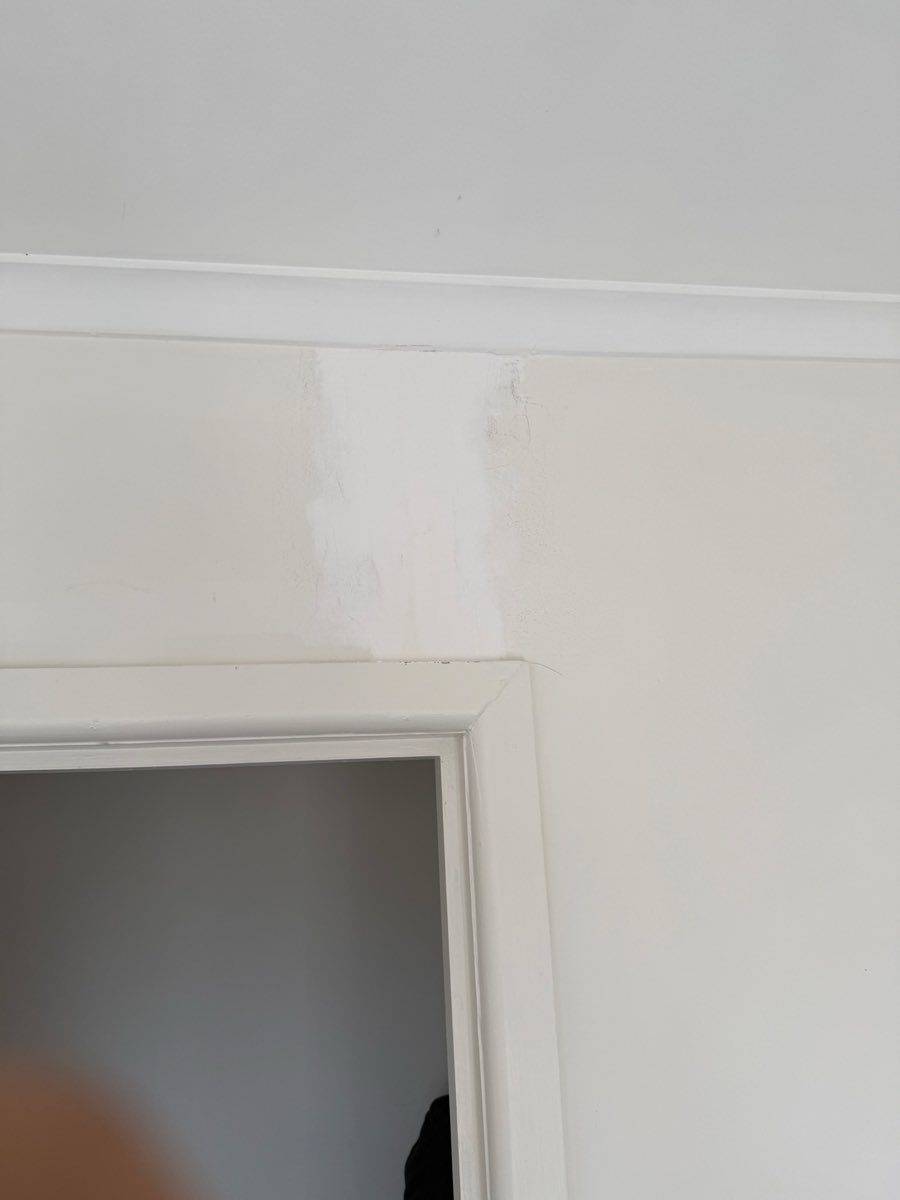
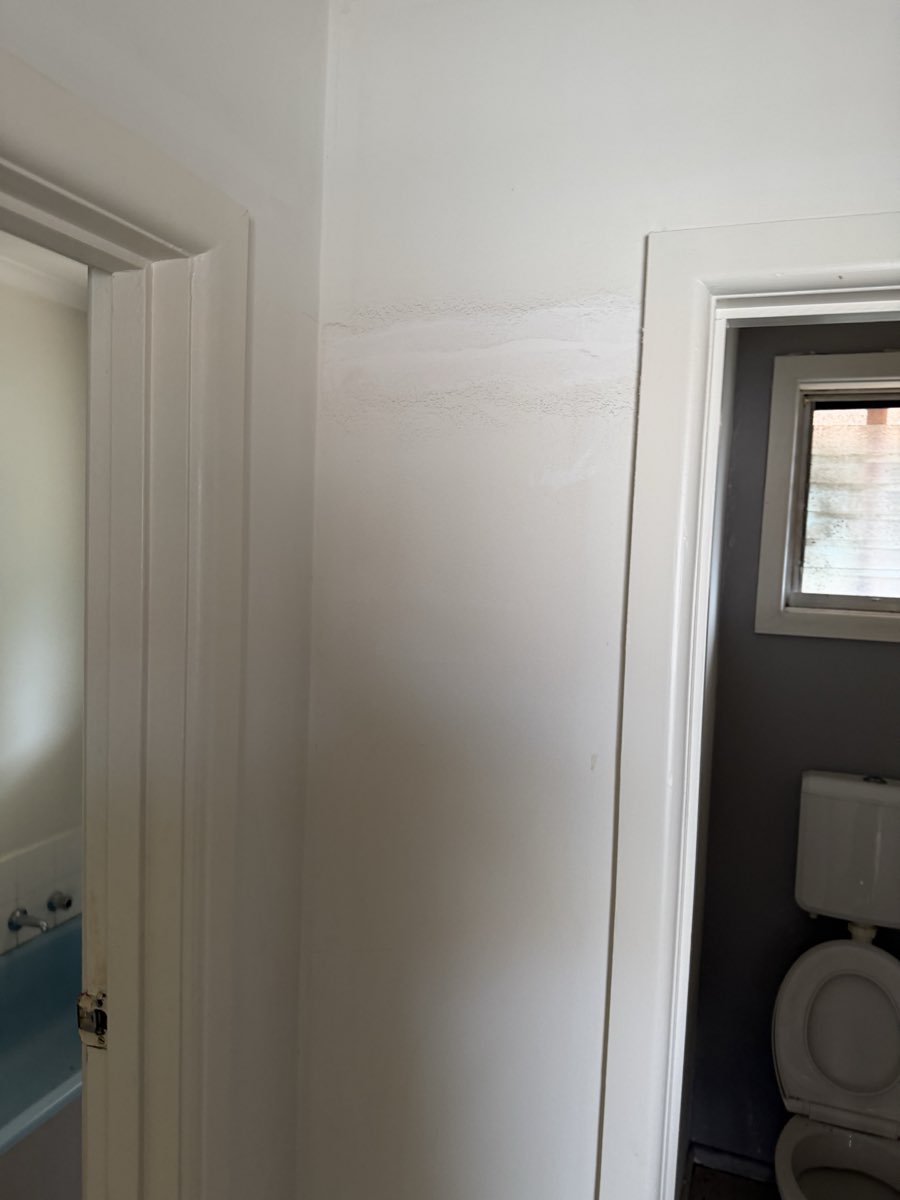
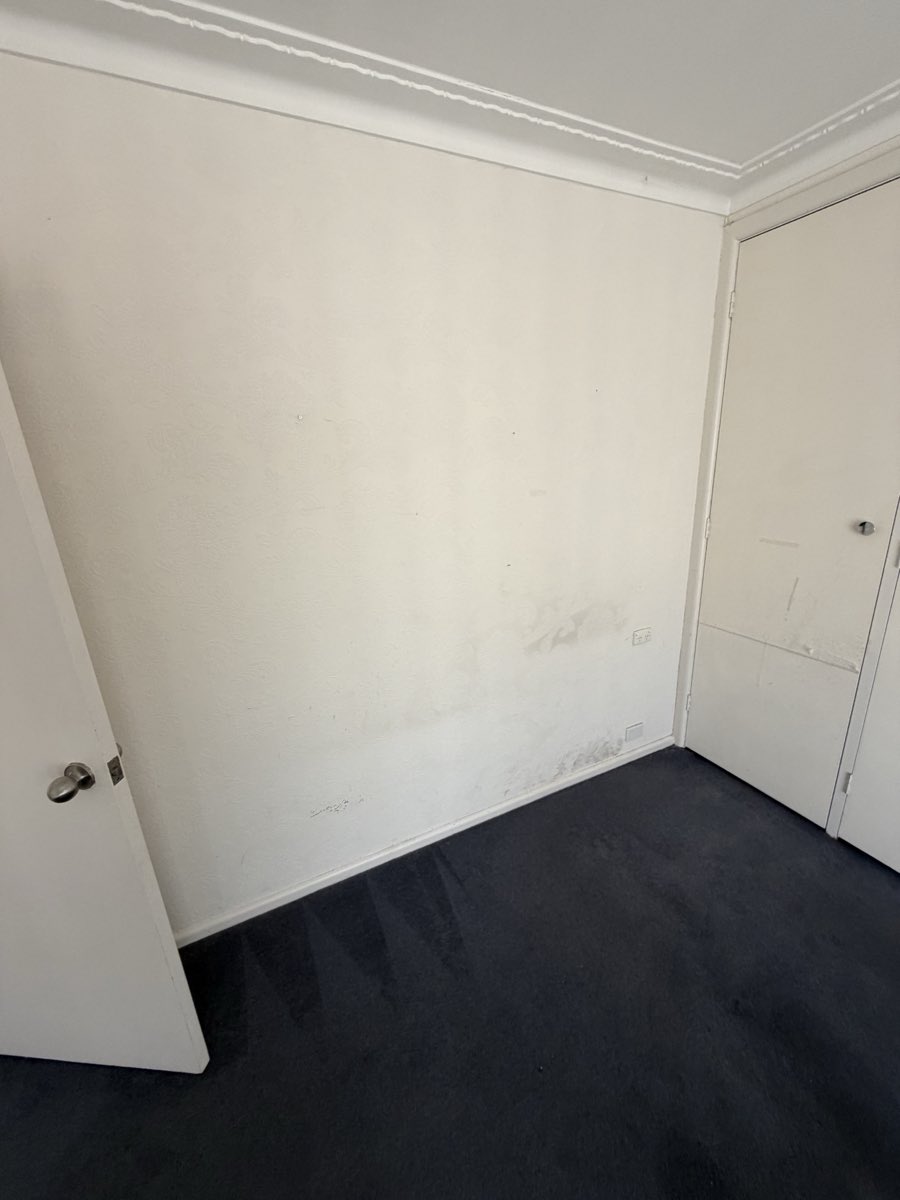
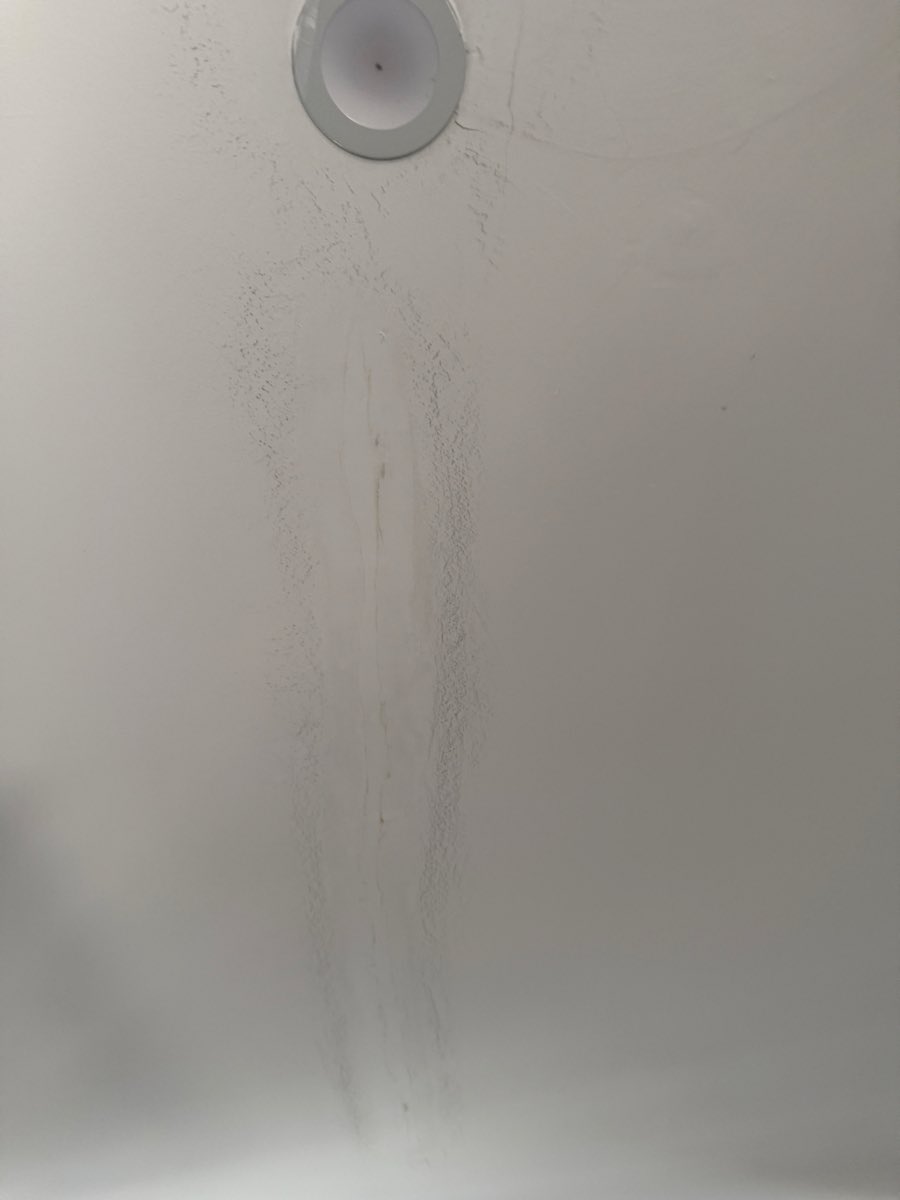
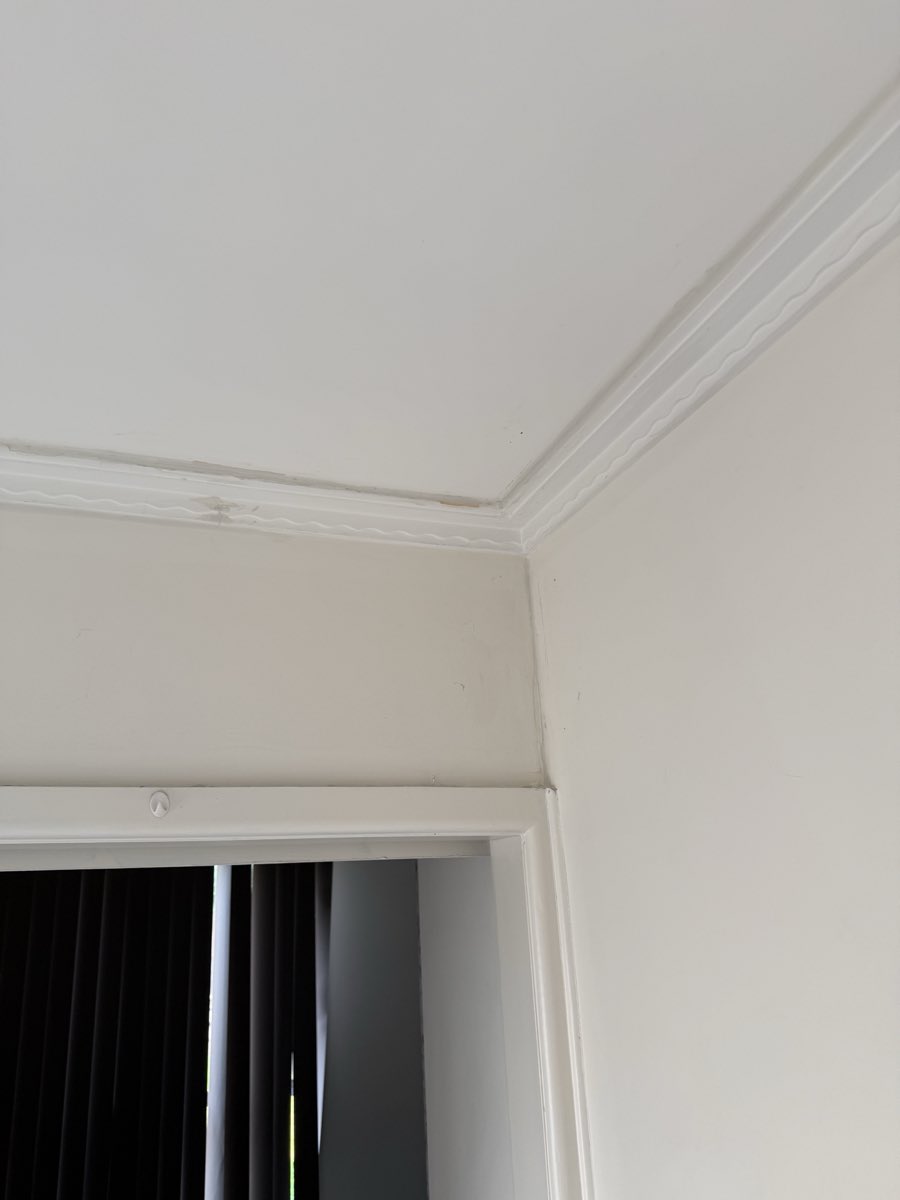
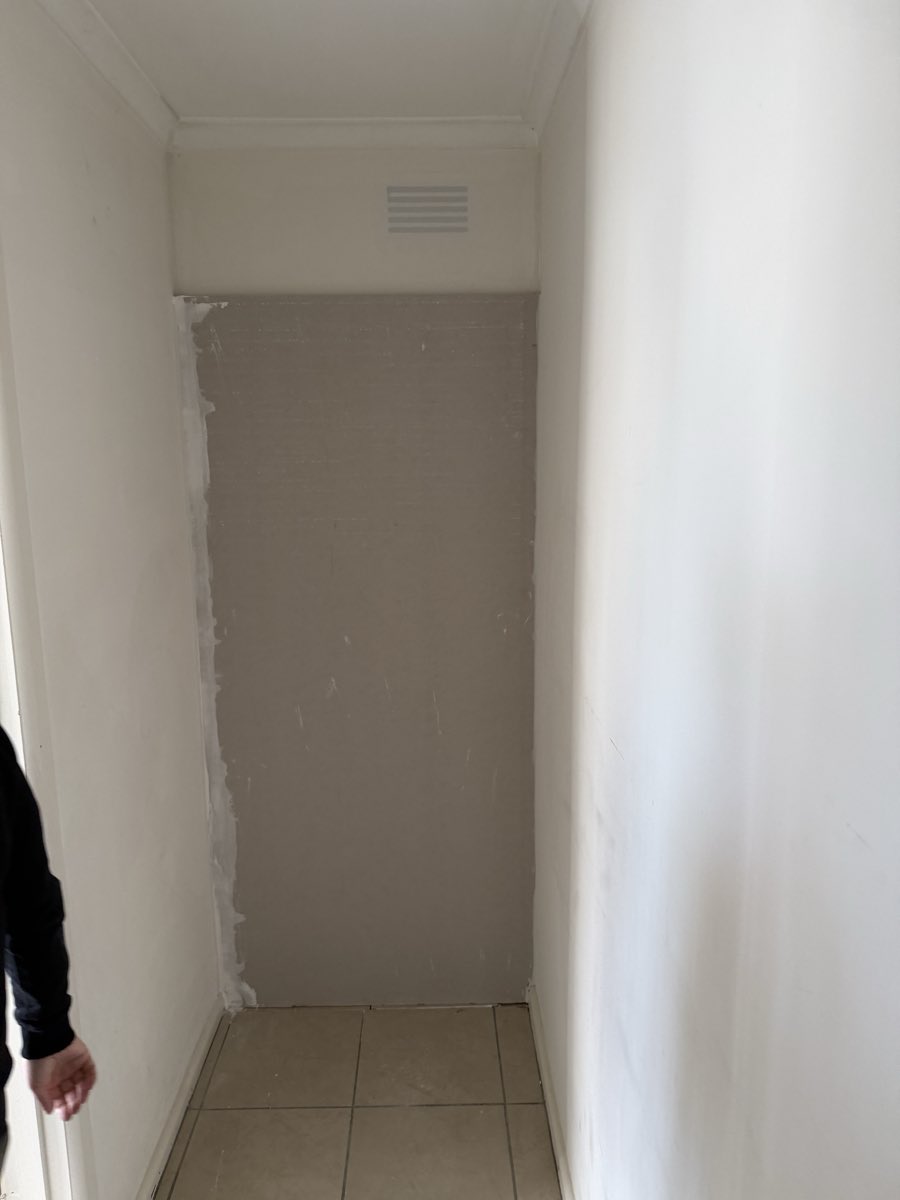
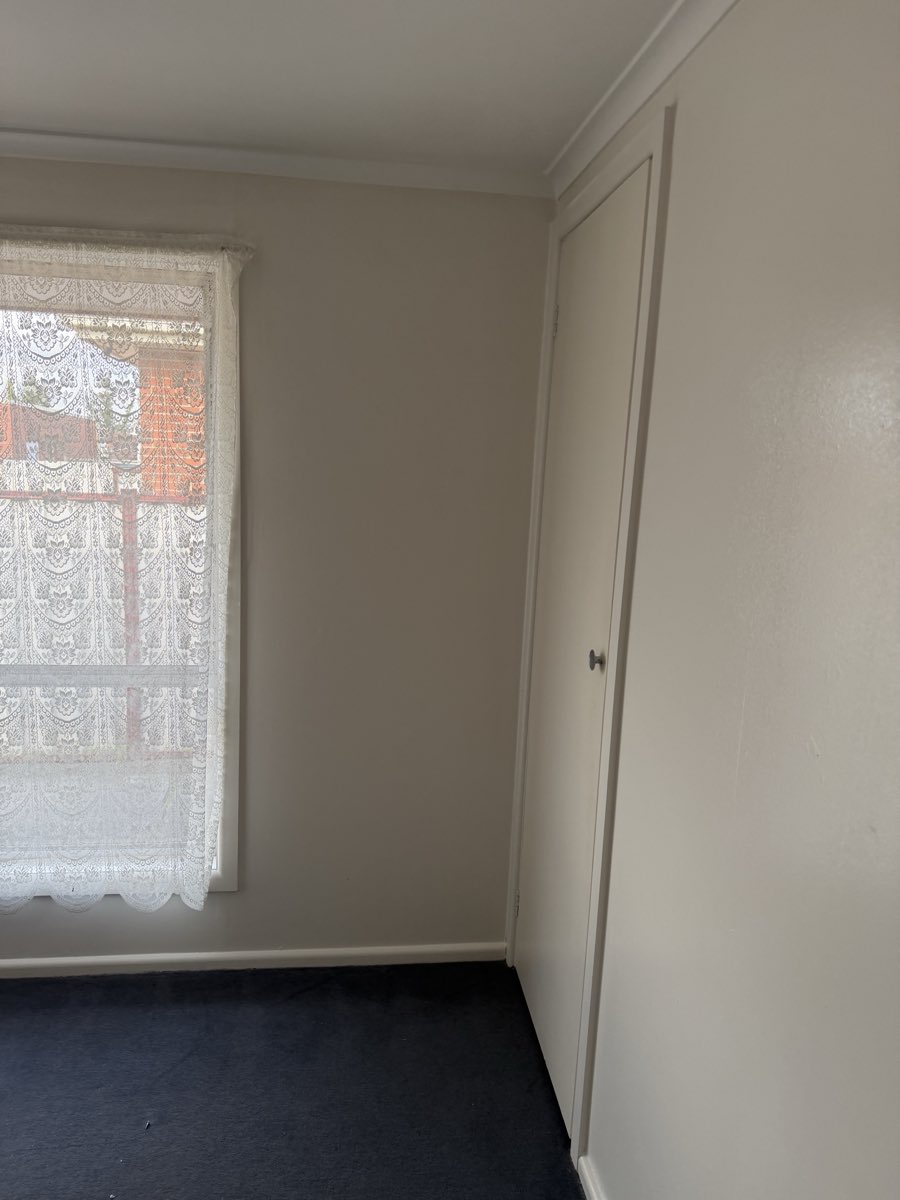
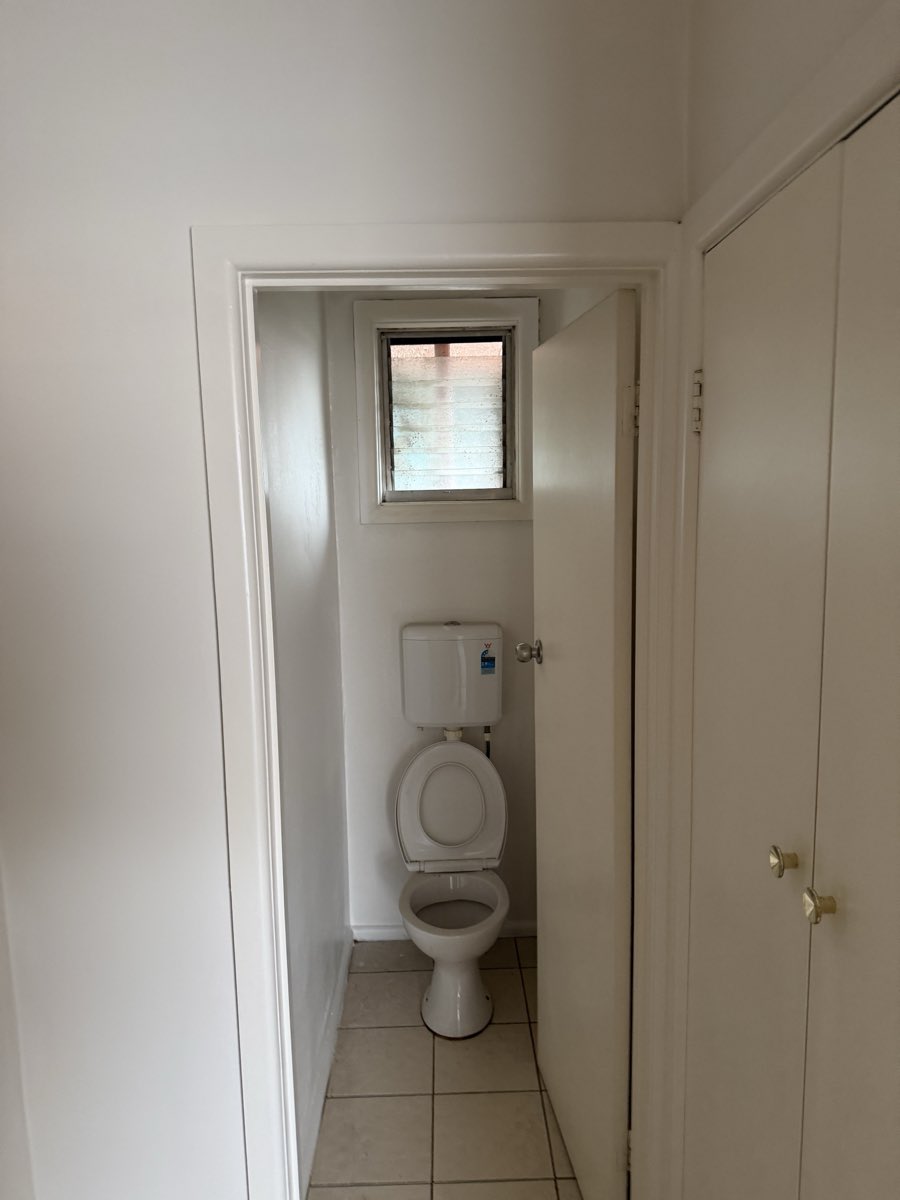
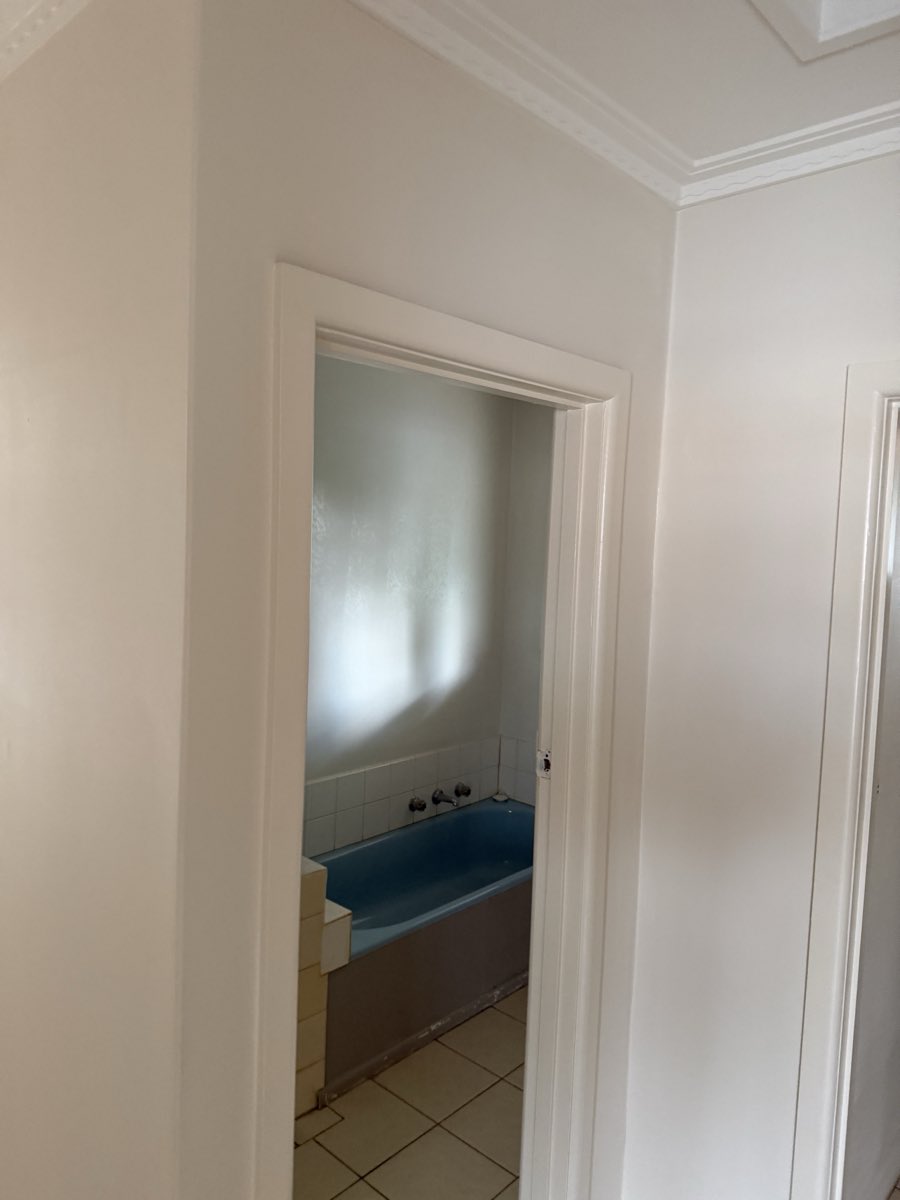
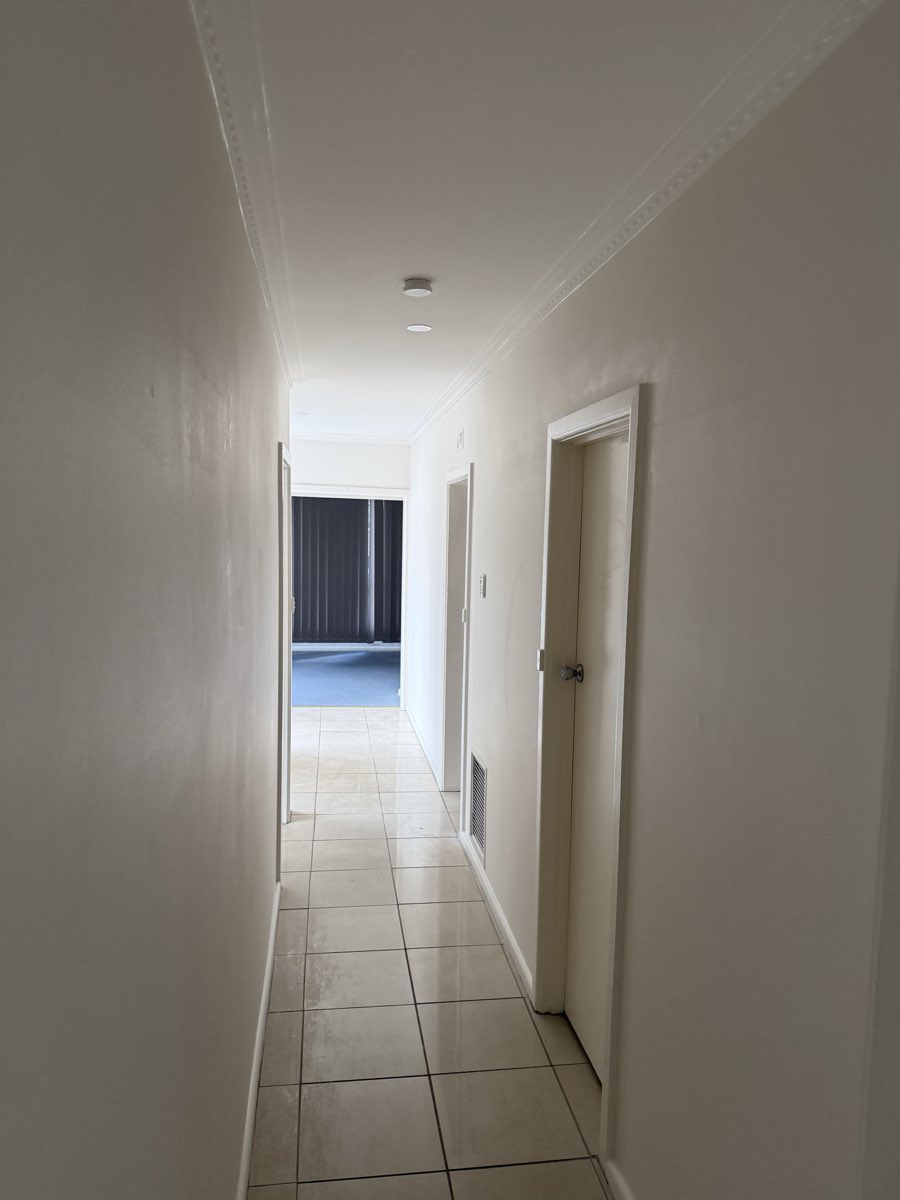
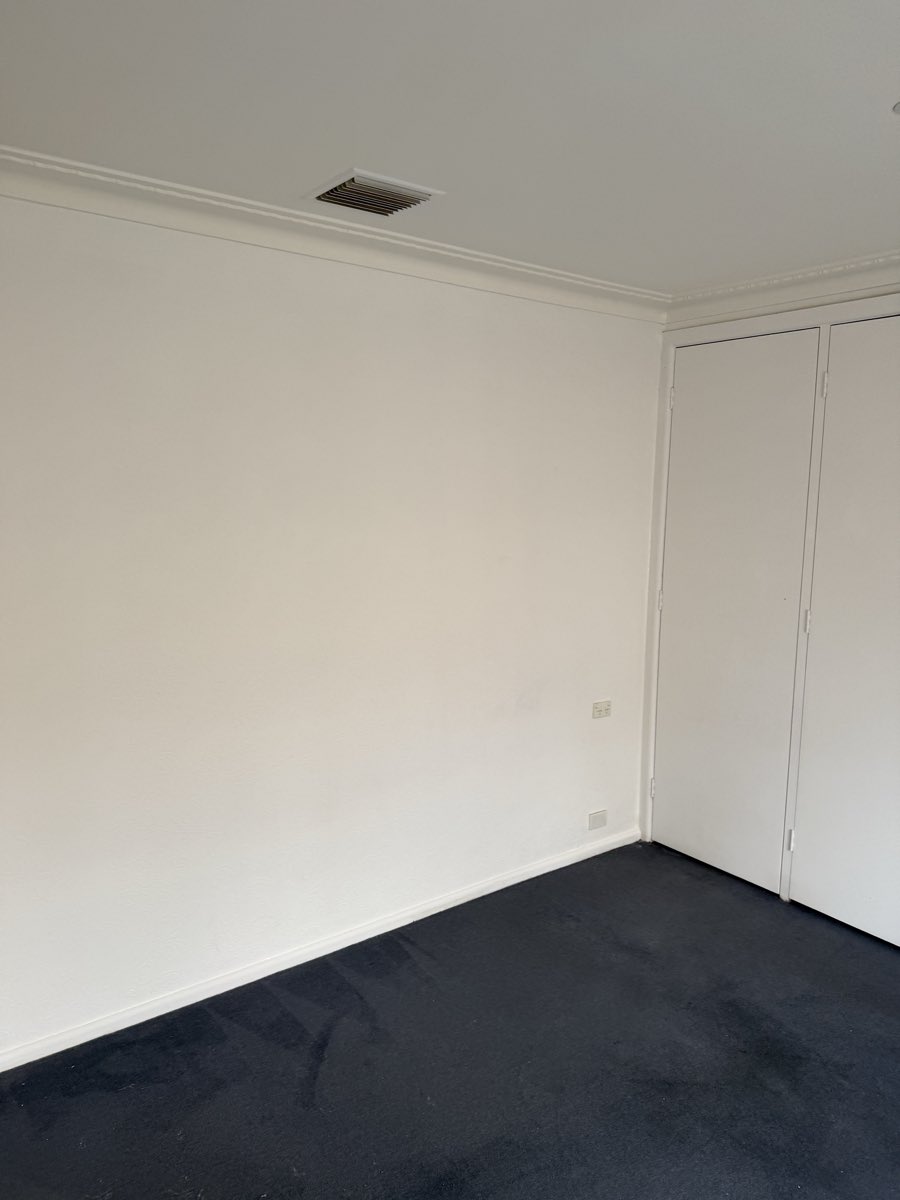
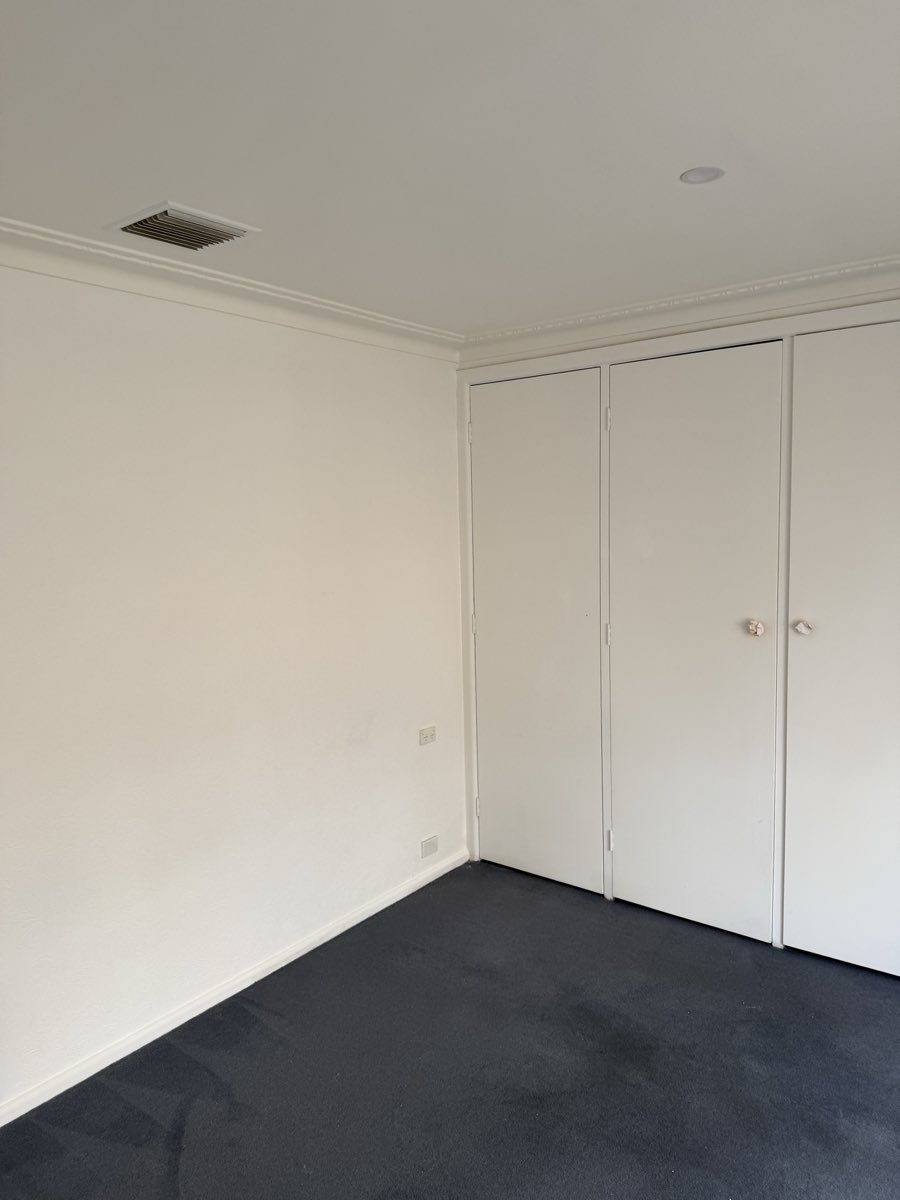
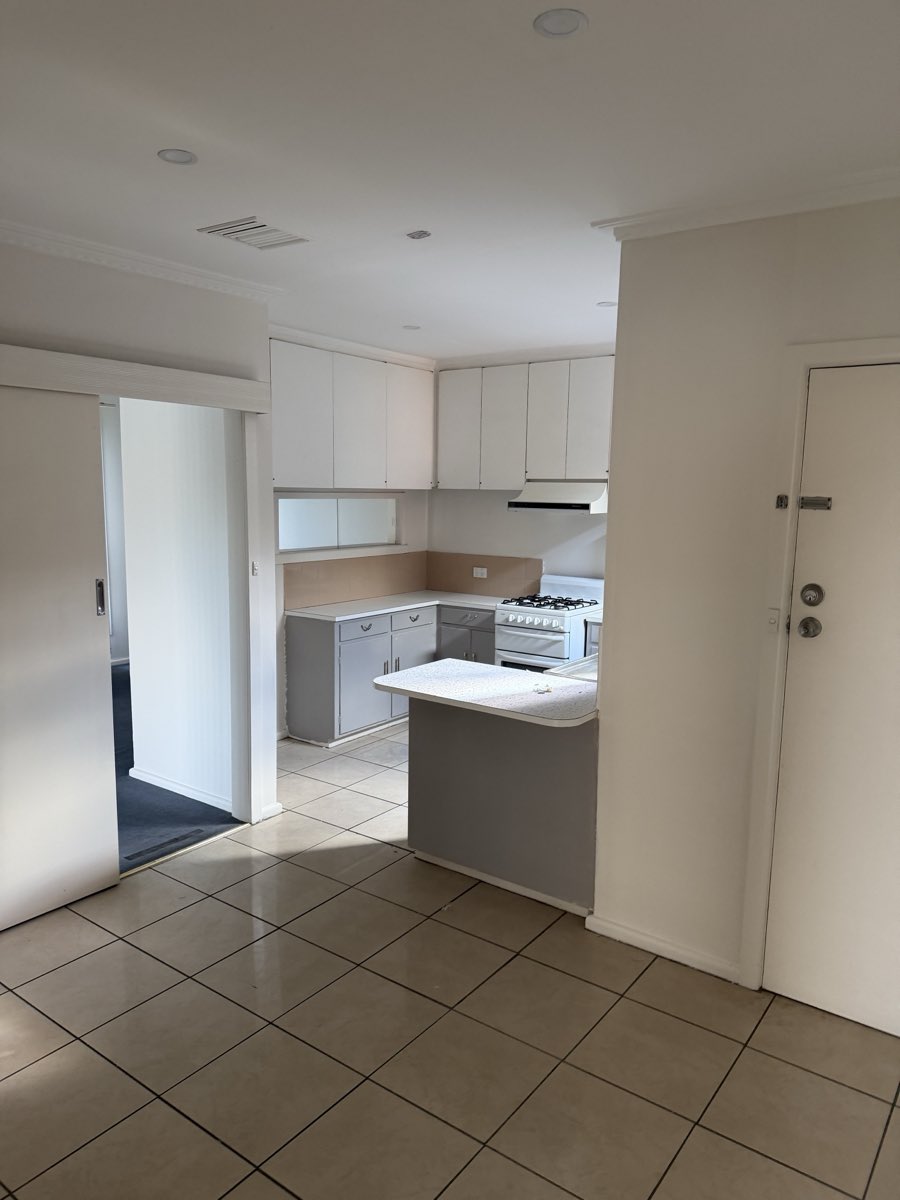
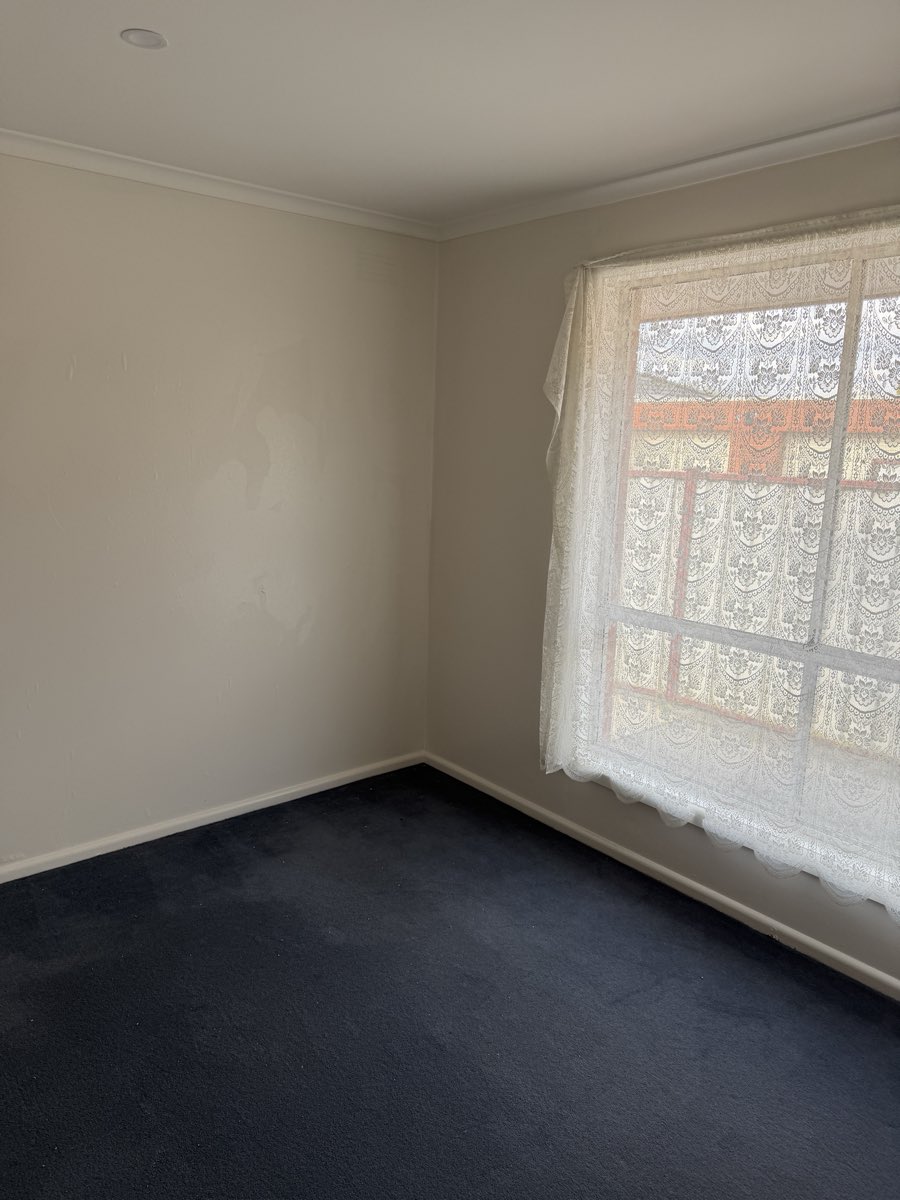
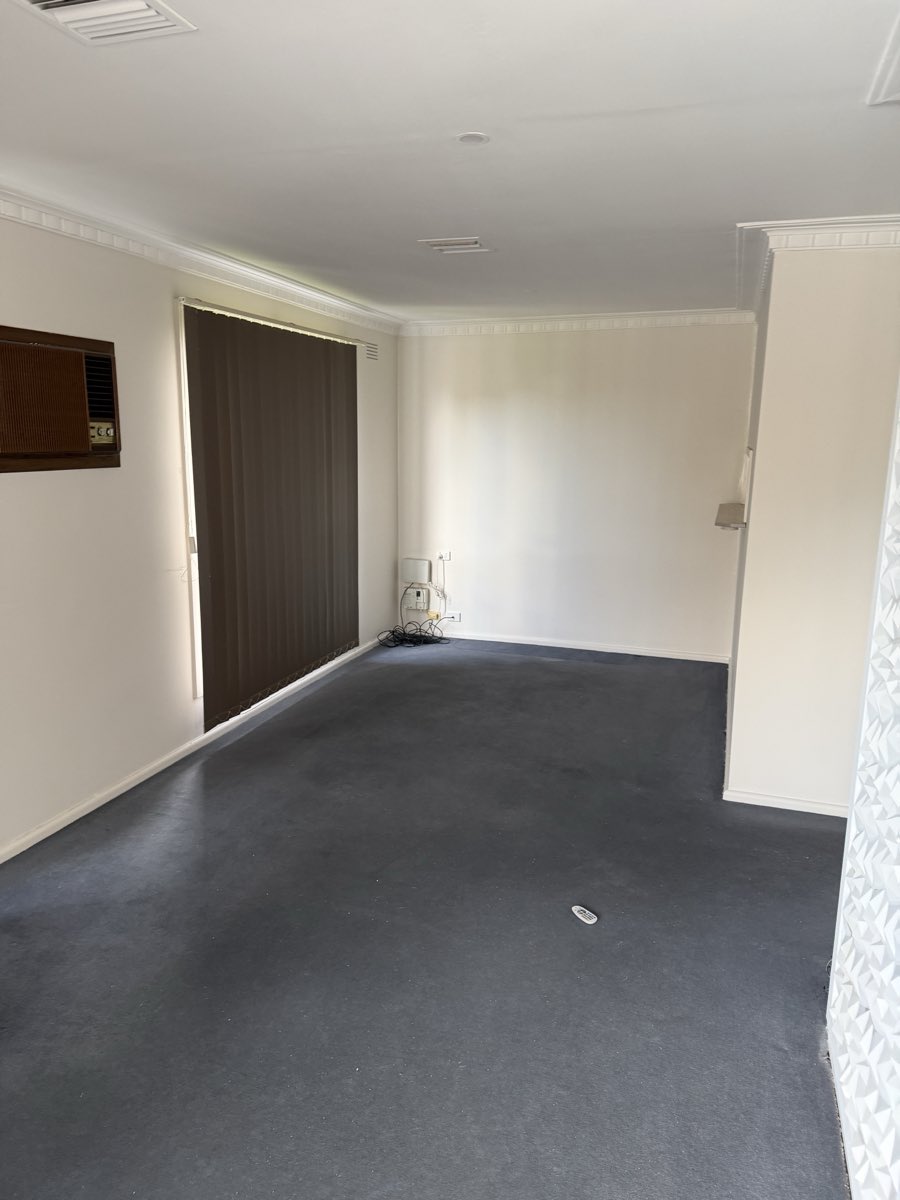
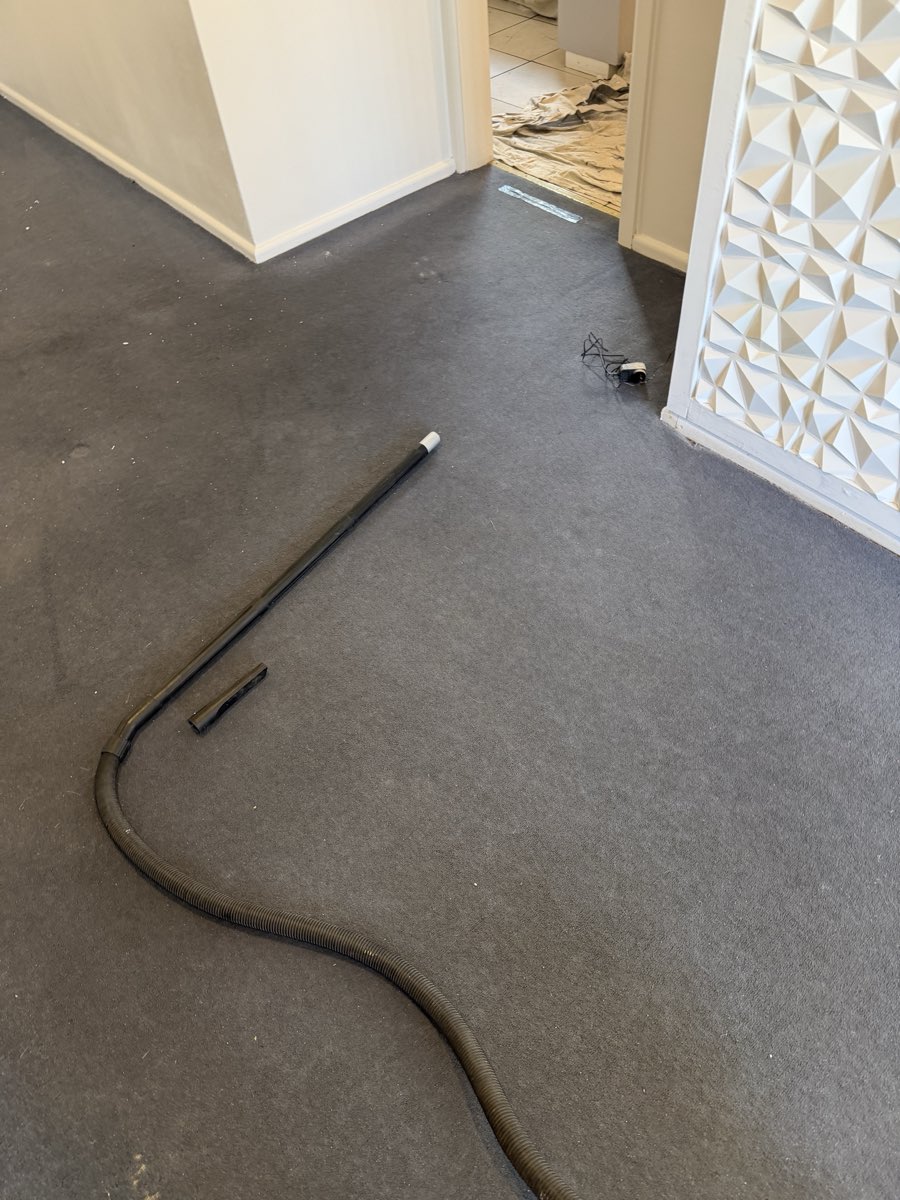
The photos below were supplied as before-and-after images for a Melbourne painting project. They show surface conditions before preparation and the finished painted interior. The views are grouped by stage, not matched one-for-one. They do not establish the cause of any mark or show a structural, moisture or mould diagnosis.
Before preparation and painting
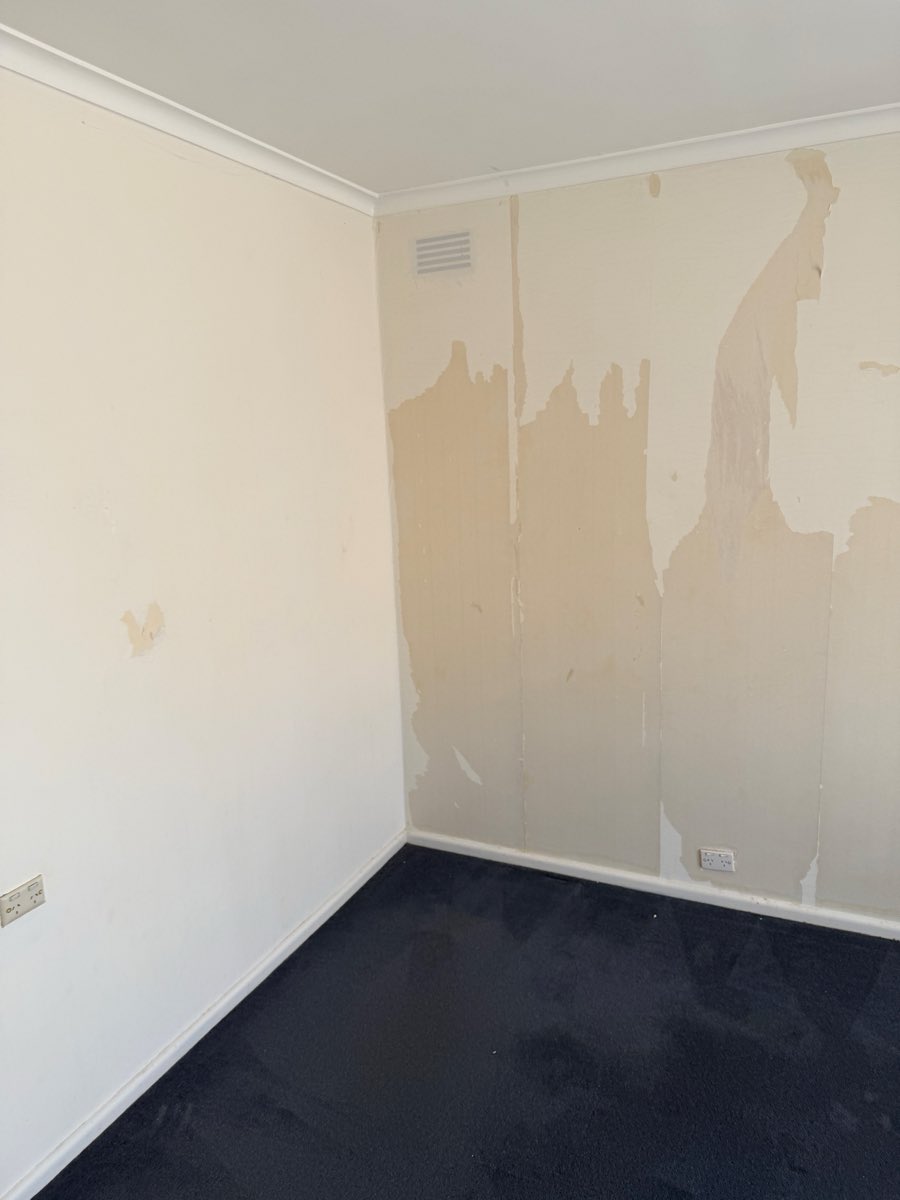
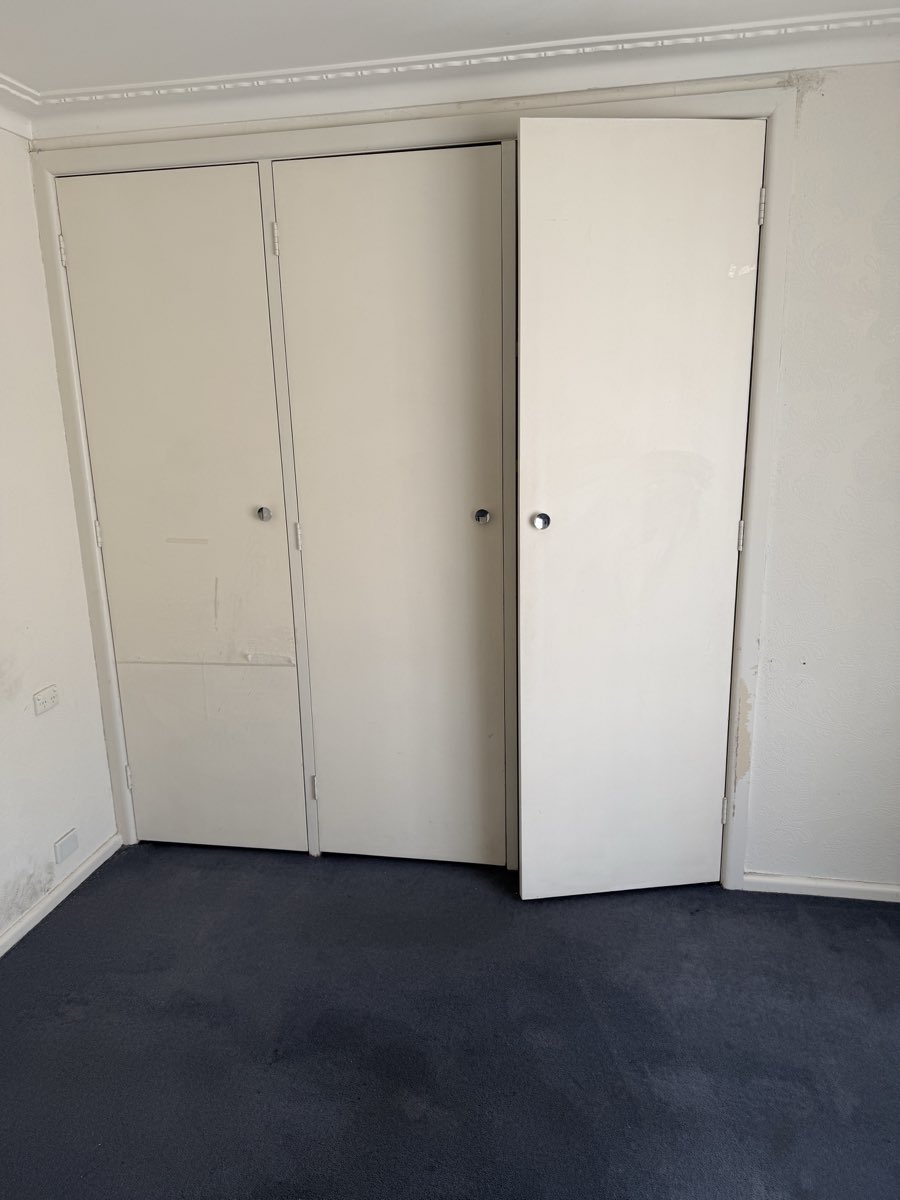
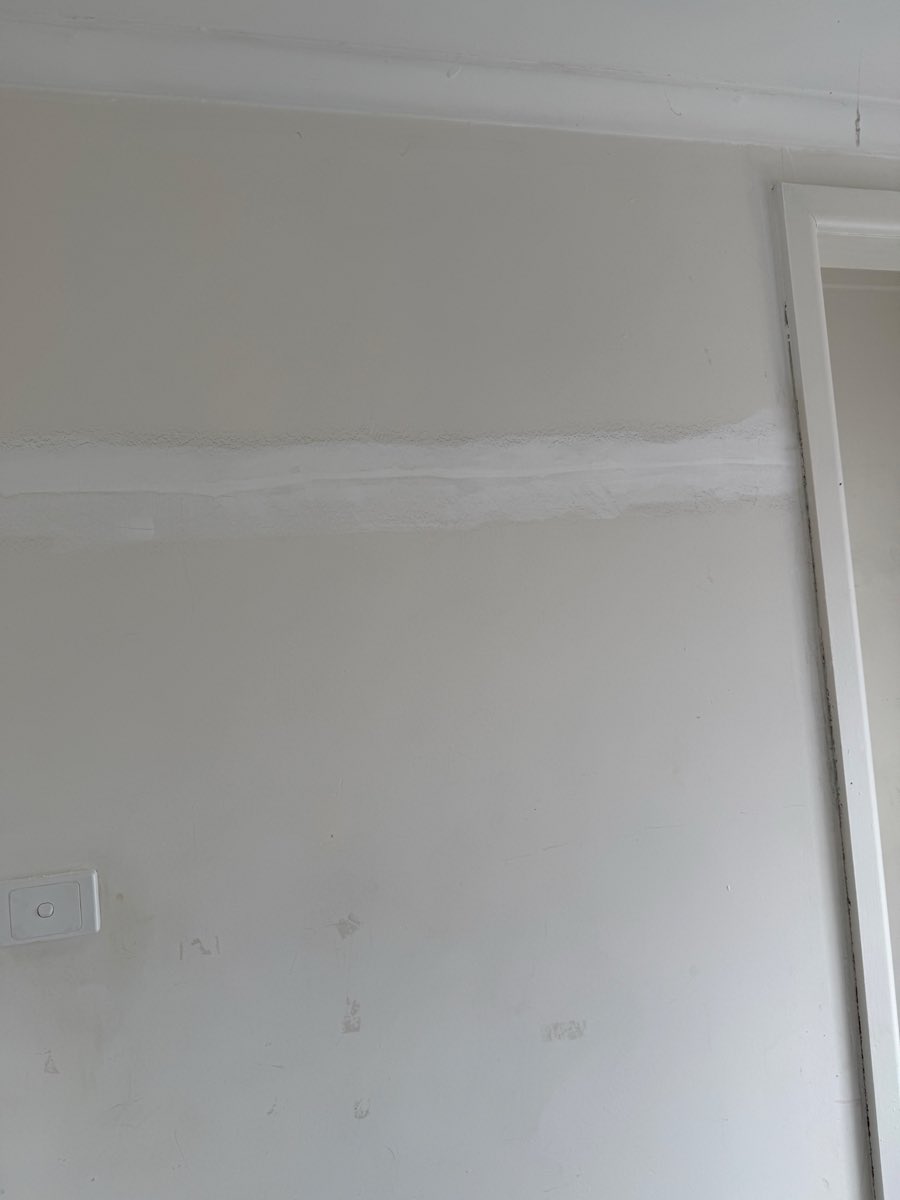
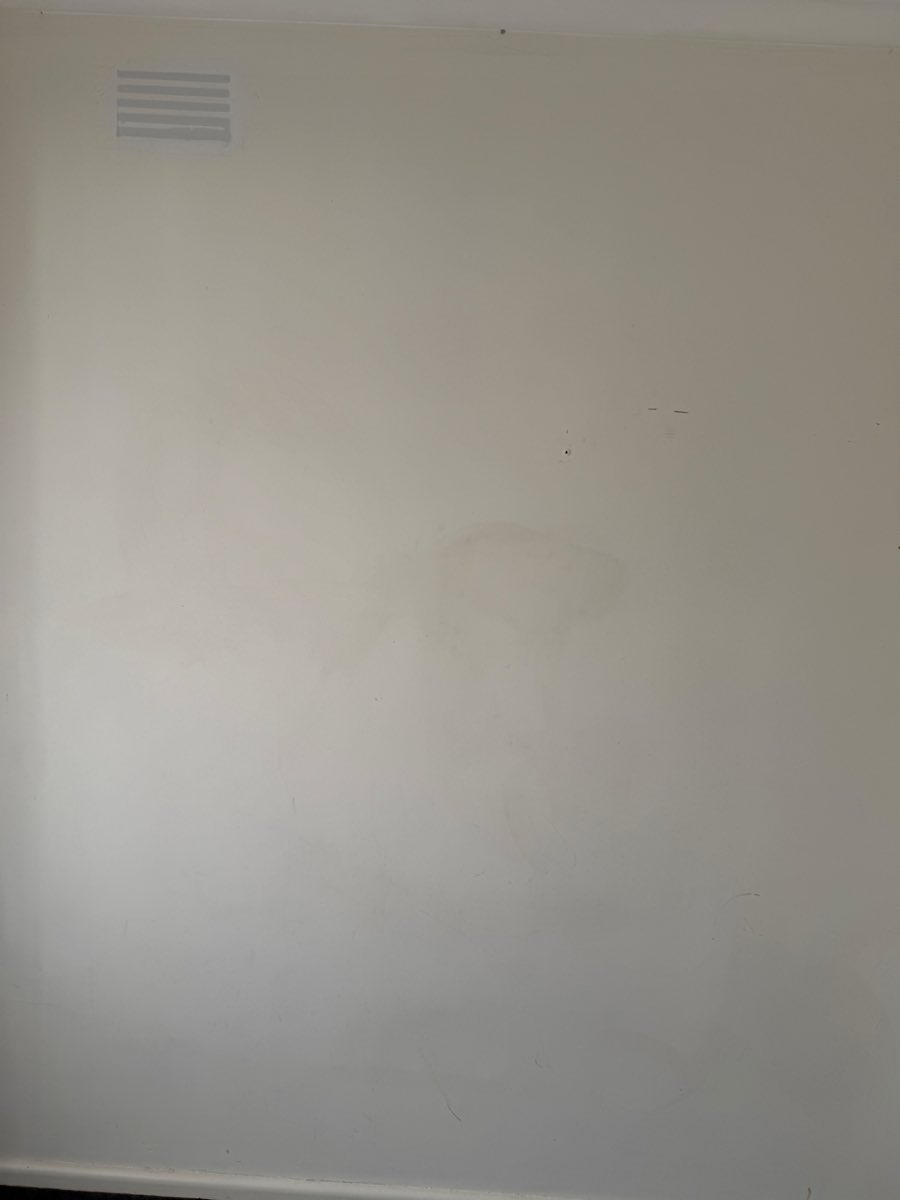
After painting
Victorian and period-home painting guide · period-home painting service · 0402 242 442
The supplied photos show different views across the two stages. They are included as project images, not as proof that every pictured mark was caused by damp, mould or cracking. A site inspection is needed to establish the work completed and the condition of a particular surface.
For high-ceiling painting in Melbourne, Pars Painting can inspect the interior surfaces, access and requested scope on site. The inspection helps determine whether the painting work is ready to quote or whether a separate specialist should first assess a concern. It does not provide a structural, plumbing, asbestos, lead or mould diagnosis. See the Victorian and period-home painting guide and period-home painting service, or call 0402 242 442 to discuss an on-site quote.
Questions Melbourne owners ask
Is a crack in a Victorian ceiling always a structural problem?
No. Cracks can have different causes, and appearance alone cannot establish the cause or seriousness. Changing cracks, distortion, bulging or sticking doors and windows warrant an appropriate building assessment before cosmetic filling or painting.
Can I paint over a damp patch or mould stain?
Not as a way to fix the cause. Identify and address the moisture source, and make sure the surface is dry and suitable before repainting. Recurring or extensive mould may require specialist advice.
Does a high ceiling cause cracks or mould?
No conclusion like that can be drawn from height alone. A high ceiling changes access and preparation; cracks and mould require separate investigation of the specific surface and conditions.
Can a painter repair cracks in an old Melbourne home?
A painter can assess whether a surface repair and repaint is within the agreed painting scope. If there are signs of movement, substantial damage, recurring damp or uncertain materials, the cause should be assessed by an appropriate specialist before painting proceeds.
What should I include when requesting a period-home painting quote?
Share the suburb, rooms and surfaces, approximate ceiling height if known, visible repairs or stains, access constraints and whether the home will be occupied. Photos can help start the conversation, but an on-site inspection is needed to confirm the condition, preparation and written scope.
General information only; not structural, medical, mould-remediation, asbestos, lead or plumbing advice. Seek the relevant competent specialist when a defect or hazardous material is suspected.