
First identify the problem you want to solve
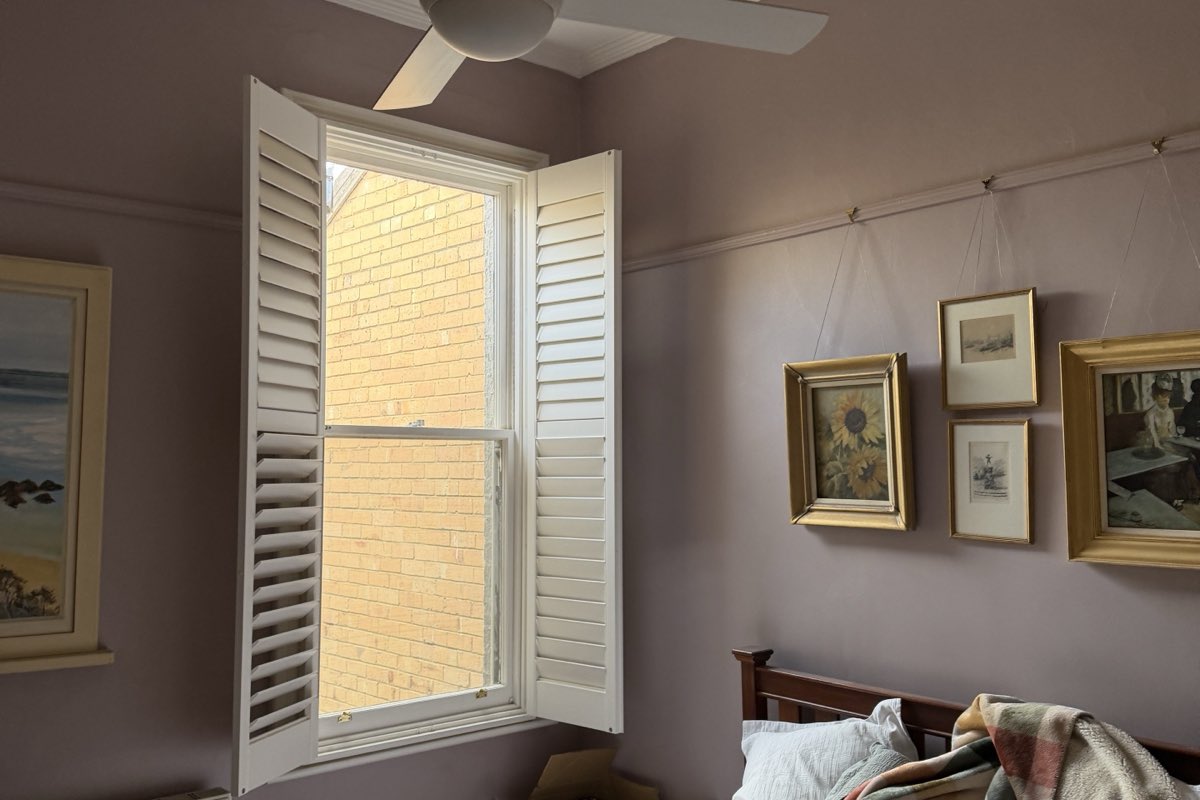
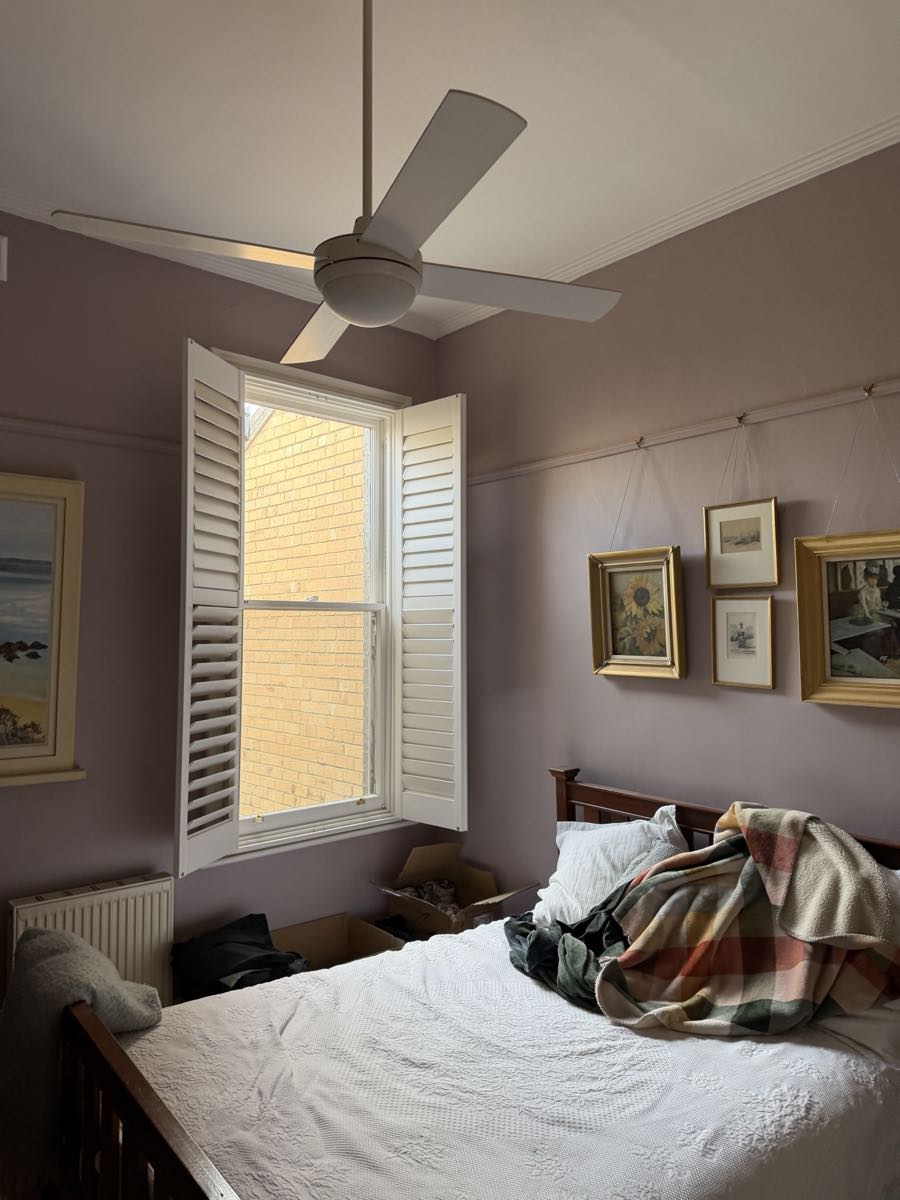
A surface mark, a dent and a stain returning through paint are different problems. Start by describing what you see and whether it has changed. A close photo helps show the defect; a wider photo shows the whole wall and the light falling across it.
If the coating is sound and the issue is a removable mark, careful cleaning may be worth discussing before repainting. Follow the coating manufacturer’s care instructions and allow any test area to dry before judging it. Aggressive rubbing can change the appearance of the coating.
If there is active moisture, soft material, spreading damage or recurring cracking, establish the cause before deciding on a cosmetic repair. A patch of paint is not a diagnosis. Keep the investigation or repair of an underlying problem separate from the painting scope.
Why can the same colour still leave a visible patch?
Dulux Trade identifies differences in gloss and surface texture as common reasons a touch-up stands out. The way the new paint is applied and the direction of light can affect what you see. The colour name is therefore only one part of the matching problem.
Compare the patch after the paint has dried as directed. Look from normal viewing positions and under the room’s usual daylight and artificial lighting. A wet patch is not a reliable guide to the final result.
Keep a record of the original brand, product range, colour, sheen and application method if you have it. A leftover tin can help identify the coating, but its contents still need to be suitable for use. Do not assume an unlabelled tin is the correct paint.
Dulux Trade: why touch-ups can show · Choosing the right finish
When to consider each option
| What you see | A useful next discussion |
|---|---|
| A removable mark on intact paint | Check the product’s cleaning guidance before deciding to paint. |
| One small scuff with known original paint | Ask whether a limited touch-up is practical and what matching limits to expect. |
| A filled dent or patch | Check preparation, sealing and texture before deciding how much to recoat. |
| Several marks across one wall | Compare the result and price of a complete wall repaint. |
| A patch that remains visible in normal light | Review colour, sheen and texture; consider repainting to natural boundaries. |
| Recurring stain, dampness or moving crack | Resolve the cause and surface condition before cosmetic work. |
A whole wall is a scope, not automatically a whole room
If a local repair cannot blend acceptably, the next option may be one complete wall. Ask the painter to define the boundaries: corner to corner, to a doorway or to another clear break. The scope should state whether adjacent trim, the ceiling and other walls are included.
Resene notes that sheen differences can remain after touch-up and that repainting the full wall may be necessary. That does not mean every small mark requires a whole room. Assess the result you want and the condition of adjoining surfaces before widening the scope.
For an open-plan space, a “wall” may run through more than one living area. Walk the proposed stopping points with the painter so the quote and your expectation describe the same work. If a colour change is planned, review adjoining walls at the same time.
Repairs need their own preparation
Before coating a filled area, ask whether the repair is dry, stable and ready for finishing. Compare the patch’s texture and level with the surrounding wall. A visible edge can remain even when the colour is correct.
The repair may need a suitable primer or sealer, depending on the material and proposed coating. Agree on this as part of the work, rather than assuming a topcoat will make a bare patch behave like the existing painted surface.
If the damage crosses decorative features, a door frame or the ceiling line, identify those surfaces separately. A small wall patch can sit beside details that need different preparation or a different finish.
What to send for an initial small-job discussion
You can call Kian first and describe the issue, or send useful photos on WhatsApp. Include the suburb, preferred timing and whether you want an isolated repair, one wall or a wider repaint assessed. Kian can advise whether photos are enough for an initial estimate or a visit is needed.
For the photos, include the entire wall from a normal viewing position, a close view of the mark and the paint label if available. Mention when the wall was last painted if you know; leave it unknown if you do not. Photographs cannot establish every aspect of adhesion, moisture or substrate condition.
Before work begins, settle what an acceptable result means for the agreed scope. A deliberately limited touch-up and a full repaint are different purchases. The final written quote should say which one you are choosing.
- Suburb and preferred timing.
- One wide photo and one close photo.
- Known coating details, or “unknown”.
- Any recent leak, repair or recurring defect to assess.
- Desired scope and access constraints.
Start a small painting enquiry · Compare quotes with the free checklist
Common touch-up questions
Can a colour-matching service guarantee an invisible repair?
A colour match alone cannot guarantee the same appearance. Sheen, texture, the old coating and lighting can still make the repair visible.
Will another small coat hide the patch?
Not necessarily. First identify why it shows. Repeated local coats can leave a different film build or texture, so consider the preparation and overall recoating scope before adding more paint.
Can Pars quote from photographs?
Useful photos, suburb and timing may support an initial estimate for a suitable small job. Kian confirms the final scope and written quote; larger or unclear work may require an on-site visit.